Fez — British director Guy Ritchie has spent more than two decades making films that are easy to recognize.
His movies often follow criminals and outsiders, use quick editing, and rely on heavy, sometimes dark, humor. From small London productions to big studio projects, a few clear choices define his work.
Early crime films in London
Ritchie’s career took off in 1998 with “Lock, Stock and Two Smoking Barrels.” The film follows four friends who lose badly in a rigged card game and fall into debt with a crime boss. Made on a modest budget, it attracted attention for its street language, twisting plot, and a large cast of small-time crooks.
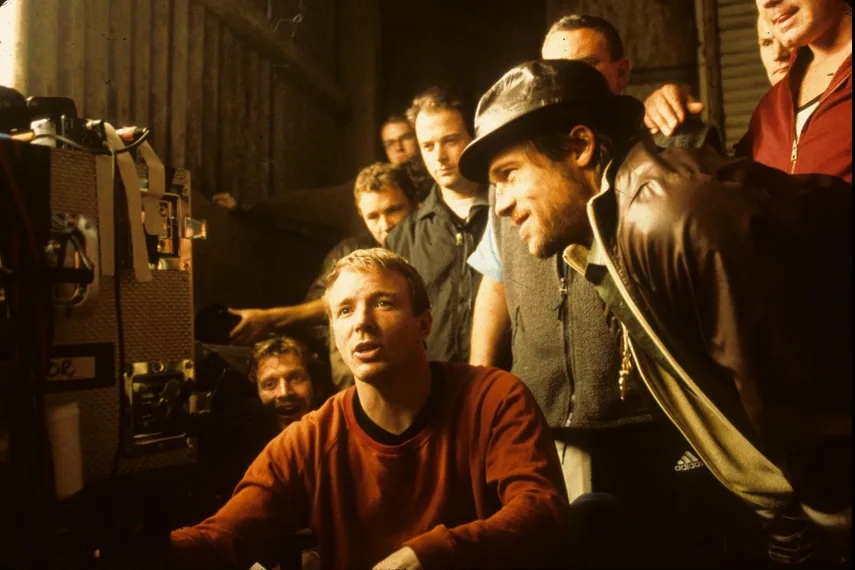
He followed it in 2000 with “Snatch.” This film moves between several storylines: a stolen diamond, illegal boxing, nervous gangsters, and a strange bare-knuckle fighter played by Brad Pitt. The editing is fast, the scenes are short, and the dialogue is dense. For many viewers, “Snatch” is still the clearest example of Ritchie’s style.
In 2008, “RocknRolla” brought him back to London crime, this time around real estate deals, Russian money, and old gangsters trying to adapt to a changing city. Again, different groups chase the same prize, and their plans clash in ways that drive both the drama and the humour.
From London crime to global franchises
After his first crime films, Ritchie moved into larger productions. With “Sherlock Holmes” (2009) and “Sherlock Holmes: A Game of Shadows” (2011), he reworked the famous detective as a more physical and active figure. The films use one of his favourite devices: a fight broken down in slow motion as Holmes plans it, then replayed at full speed.
In 2019, he directed Disney’s live-action version of “Aladdin.” The film kept the musical numbers and family tone of the original, but Ritchie’s habits are still visible in the busy street scenes, fast banter, and dynamic staging of chases and fights.
At the same time, he returned to his roots with “The Gentlemen.” The film follows a cannabis empire in England and the people trying to take control of it. It uses a narrator who is also part of the story, a plot told partly in flashback, and a chain of deals, betrayals, and counter-moves.
Ritchie has also signed other action-driven projects such as “The Man from U.N.C.L.E.,” “King Arthur: Legend of the Sword,” “Wrath of Man,” and “Operation Fortune: Ruse de Guerre, “applying his taste for plans, teams, and quick talk to spy stories, fantasy, and revenge thrillers.
A recognizable way of telling stories
Several elements make a Guy Ritchie film easy to identify.
He prefers ensemble stories to a single hero. In “Lock, Stock and Two Smoking Barrels”, “Snatch,” “RocknRolla,” and “The Gentlemen,” the viewer follows several groups at once: small thieves, crime bosses, fixers, and outsiders. Each group has its own goal, and the tension comes from the way their actions affect one another.
His editing is fast and snappy. He uses short scenes, rapid cuts, and quick montages to explain plans, robberies, or changes in the plot. Voice-over, often delivered by a character inside the story, helps guide the viewer and adds comments or jokes. This keeps complex stories readable without slowing them down.
Tone is another key point. Ritchie often mixes violence and humor in the same sequence. Scenes can be tense but are written with irony, and many lines are designed to be both sharp and funny. Most of his main characters are involved in crime, but they are shown with their own codes, fears, and loyalties, which makes them more human and sometimes strangely sympathetic.
Visually, his early work builds a strong sense of place around London’s streets, pubs, gyms, and small apartments. Even when the setting changes, as in “Sherlock Holmes” or “Aladdin,” he keeps the camera moving through markets, alleys, and crowded rooms. Music is also a constant tool: he often chooses songs with a clear beat and cuts scenes to match their rhythm.
What sets Guy Ritchie apart
What sets Ritchie apart is the mix of all these elements in both small and large productions. He brought a new voice to British crime cinema in the late 1990s, with films that were rough, fast, and full of overlapping plots. Later, he managed to bring parts of that voice into big studio films without losing his signature style.
Whether he is telling a story about East London card players, a Victorian detective, or a street thief who finds a magic lamp, his films usually share the same core: many threads at once, quick editing, heavy dialogue, and a balance between danger and wit.
For viewers, that means a Guy Ritchie film comes with a clear promise: the story will move fast, the characters will talk a lot, and nothing will go exactly according to plan.