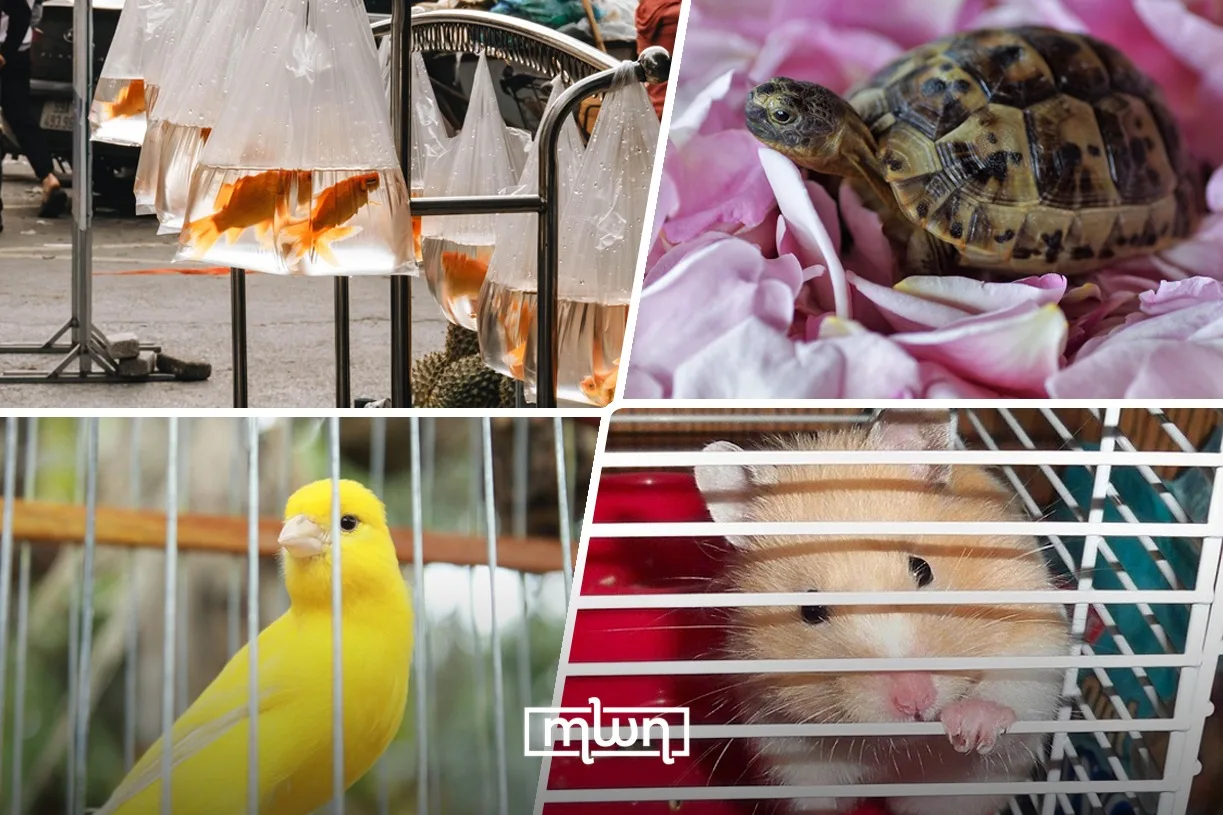
Fez — Many parents choose to get a pet to help children learn responsibility. Caring for an animal teaches routine, attention, and follow-through.
Still, not every family can manage pets that need constant care, space, or training. For these households, low-maintenance pets are often the better choice.
Why low-maintenance pets are a good starting point
Low-maintenance pets have clear and predictable needs. They eat at set times. Their spaces need regular but simple cleaning. This structure makes it easier for children to understand what they are responsible for.
Parents usually handle the setup. Children handle daily tasks. This keeps expectations realistic and avoids frustration for everyone.
Here is a closer look at the most common low-maintenance pets.
Fish
Fish are often the first pet children have. Daily care is limited to feeding and basic observation. Children learn not to overfeed and to notice changes in behavior or water condition.
Fish also teach patience. Children cannot play with them, but they still need care every day.
Hamsters, guinea pigs and other small mammals
Hamsters and guinea pigs need more involvement but remain manageable. Children can help clean cages, refill food, and handle them gently. These pets show children that animals react to how they are treated.
Guinea pigs, in particular, depend on regular feeding and calm interaction, which helps children learn consistency.
Turtles
Turtles are quiet and calm animals. They do not need daily handling and follow steady routines. Their waste is limited compared to many other pets, and their behavior is easy to observe.
Children can help with feeding schedules, checking water levels, and watching basking habits. Turtles suit children who prefer structure and observation rather than play.
Small birds
Small birds like budgerigars or finches need daily feeding and cage cleaning. They also respond to sound and presence. This helps children understand that regular attention matters, even when care tasks are simple.
What children really learn
Low-maintenance pets teach children that care is not optional. Tasks must be done every day, not only when it feels convenient. These lessons often carry over into schoolwork and household chores.
Starting with a simple pet helps children build responsibility in a realistic way. It sets clear limits, avoids pressure, and keeps the focus on learning steady habits over time.