Netflix’s ‘Pride and Prejudice’ Reveals Star-Studded Cast, Begins Filming in the UK

Netflix has unveiled the full cast of one of its most famous shows.
AI Boyfriends: Are We Setting Ourselves Up for Disappointment?

As AI chatbots mimic romance, are we risking disappointment in real-life relationships? Fez– Lately, there’s been a weirdly popular trend gaining traction: women treating AI chatbots like their boyfriends. From romantic texts to sweet voice messages, AI has become the virtual “boyfriend” that’s always available, always attentive, and always saying the right things. It’s fun, right? You get this perfect, never-argue, always-supportive partner who texts you like clockwork, tells you you’re beautiful, and responds to your every need. What’s not to love? But let’s take a step back and think: Is this actually a healthy trend, or is it setting unrealistic expectations for relationships in the real world? First of all, we have to acknowledge why AI boyfriends are so appealing in the first place. They’re designed to be perfect. AI chatbots are built to understand what you want to hear, to mirror your emotions, and to keep the conversation flowing smoothly. They can sound sweet, funny, and caring, and let’s face it, that kind of attention feels nice. You can have a digital partner who makes you feel special without the complexities that come with a real relationship, no awkward silences, no emotional baggage, no disagreements. But that’s where the problem starts. These AI “boyfriends” are built on a set of algorithms, not real human emotions. When you get used to this constant stream of affection and attention, it can create a fantasy version of love that’s impossible to replicate in real life. Real relationships require effort, communication, and compromise. They’re messy, they’re imperfect, but they’re real. A real boyfriend doesn’t always know what to say at the right time, doesn’t always text back immediately, and definitely won’t respond like a programmed machine that only wants to please you. The danger here is that if you get too used to the AI version, you might start comparing it to actual human interactions. You might find yourself frustrated with real-life partners who don’t send you sweet, scripted texts at all hours or don’t always know exactly what to say when you need comfort. And that’s where the problem becomes clear: It’s creating unrealistic expectations. You’re training yourself to expect a level of perfection that doesn’t exist in the real world. What happens when you finally meet someone who’s imperfect (as everyone is)? You could end up feeling disappointed, even though that person might be the one who actually deserves your love. And let’s not ignore the long-term emotional effects. If you get too attached to an AI boyfriend, it could impact your self-worth. Are you truly feeling loved, or are you just getting validation from something that has no real feelings of its own? It can create a false sense of intimacy, where you’re “dating” someone who’s nothing more than an advanced program. Eventually, you could start to lose sight of what real love is all about, and find yourself emotionally distant when it comes to actual relationships. In the end, while the AI boyfriend trend may seem fun and harmless, it has its drawbacks. As cute as it may seem to text your “perfect” partner all day, it’s important to remember that real relationships require real emotions. And real love? Well, that’s never going to come from a bot. So, while it’s okay to enjoy the AI chat for what it is, a fun distraction, it’s crucial to not let it replace the messiness and beauty of real human connection. Otherwise, we may end up with unrealistic expectations and relationships that never quite measure up. Read also: The ‘Fix It’ Mentality: Why Men Always Offer Solutions
From Love Letters to Voice Notes: How Romance Changed
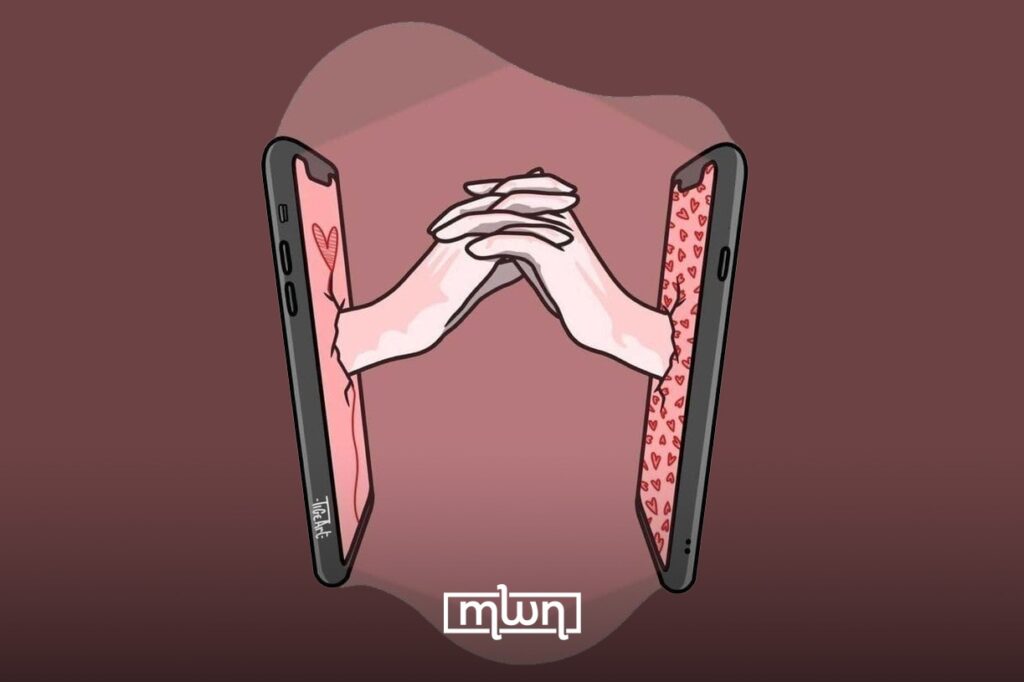
Once upon a time, love letters were treasures. Today, a voice note might be all we get. Fez– There was a time when love was written in ink, sealed in envelopes, and carried across cities or even continents. A time when every word was carefully chosen, every sentence crafted with patience, and every letter kept as a treasure. Fast forward to today, and romance is no longer waiting for the postman. It’s instant. It’s digital. It’s a voice note sent at 2 AM, a disappearing text on WhatsApp, or a short but sweet “thinking of you” GIF. Love letters had a magic of their own. They were proof of devotion, effort, and deep emotion. Writing one wasn’t just about saying “I love you.” It was about capturing the feeling in words, choosing the right paper, the right perfume to spray on it, the right moment to send it. And the wait, the anticipation of a reply, was its own kind of thrill. Lovers cherished these letters for years, some even passing them down as family heirlooms. Then came mobile phones and emails, and love letters started fading. Why wait weeks for a reply when you could get an “I miss you” in seconds? SMS, MSN Messenger, and emails took over, bringing love into a new era. While some still wrote long emails expressing their hearts, most started getting comfortable with shorter, faster exchanges. Read also: The Role of Music in Moroccan Public Life Then social media arrived. Suddenly, romance wasn’t just private, it was public. Couples posted love-filled captions, anniversary videos, and even daily updates about their relationships. A heart emoji on a comment meant more than a handwritten paragraph. Love became part of the timeline, a highlight on Instagram stories, a Snapchat streak. And now? We don’t even type as much. Voice notes have taken over. There’s something deeply intimate about hearing someone’s voice, their laughter, their pauses. It feels closer, more real. A whispered “I love you” at the end of a voice note can carry more warmth than a paragraph of text. But with speed comes a loss. Love letters could be held, reread, kept forever. A voice note? It can be deleted in seconds. A text can disappear with one accidental swipe. Has modern love become too temporary? Despite the changes, love itself hasn’t disappeared. It has simply adapted. The words may no longer be on paper, but the emotions are still there. The excitement of waiting for a reply, the butterflies when you hear their voice, the simple joy of knowing someone is thinking of you – it all still exists. Maybe romance isn’t dying. Maybe it’s just speaking a different language.
Is Love Just a Chemical Reaction We Overromanticize?
We fight for love, write about it, and even die for it, but what if it’s just biology? Fez – Love makes people do crazy things. It makes them cross oceans, write poems, and wait for years. It makes them believe in fate, soulmates, and “the one.” But what if love is nothing more than a bunch of chemicals firing in our brains? What if it’s just biology tricking us into staying together? Science says love is a mix of dopamine, oxytocin, and serotonin. Dopamine gives us the rush, the excitement, the butterflies. Oxytocin creates a bond and a feeling of safety. Serotonin keeps us obsessed, thinking about that person all the time. It’s a perfect chemical storm, designed to make us attach to someone and, ultimately, to reproduce. In other words, love is nature’s way of keeping the human race alive. But if that’s true, why does love feel so deep? So painful? So real? Why does heartbreak feel like physical pain if it’s just chemicals? Why do people spend their lives searching for it, writing about it, dying for it? Maybe we overromanticize love because we need to. Maybe if we saw it for what it really is, a biological trick, we wouldn’t fight for it so hard. Maybe we need the stories, the songs, the grand gestures, because without them, love would feel… ordinary. But here’s the thing: even if love is just chemicals, does that make it any less real? Water is just hydrogen and oxygen. Music is just vibrations in the air. Does knowing that make them any less powerful? We don’t love because it makes sense. We love because it makes life worth it. Think about it, love is the one thing that makes people take risks. It makes them put someone else first. It makes them hope, even when everything says they shouldn’t. And that? That’s not just chemicals. That’s something bigger. Yes, science explains love. But it doesn’t explain why one person’s touch can feel different from everyone else’s. It doesn’t explain why we wait for certain people and not others. It doesn’t explain why love, even when it’s messy and painful, is still the one thing we all want. So maybe love is a chemical reaction. Maybe it’s just neurons and hormones doing their job. But that doesn’t make it any less magical. Because at the end of the day, we don’t just want to survive, we want to feel. And love, no matter what it is, makes us feel everything. And isn’t that the whole point? Read also: The Loneliness Epidemic: Are We More Disconnected Than Ever?
Valentine’s Day Expectations vs. Reality

Everyone dreams of a perfect Valentine’s, but life sometimes has other plans. Fez– Valentine’s Day is supposed to be the most romantic day of the year. The movies make it look magical, social media makes it look perfect, and the pressure? Oh, it’s real. But let’s be honest, reality doesn’t always match the dream. Here’s how Valentine’s Day can really go down. The surprise gift Expectations: You wake up to a beautifully wrapped gift. Maybe it’s jewelry, maybe it’s something thoughtful, but it’s perfect. Your partner really gets you. Reality: You get a last-minute box of chocolates from a shop on the road. If you’re lucky, there’s still a price tag on it. Bonus points if it’s already half-melted. The romantic dinner Expectations: Candlelight, soft music, a fancy meal in a beautiful restaurant. Your partner gazes into your eyes and tells you how much you mean to them. Reality: The restaurant is packed, the waiter forgot your order, and your date is too busy scrolling on their phone. Romantic, right? Oh, and the bill? More painful than heartbreak. The perfect outfit Expectations: You plan your look days in advance. Everything fits perfectly. You feel like a movie star. Reality: The outfit you planned suddenly doesn’t look right. Your hair won’t cooperate. By the time you leave the house, you’re questioning all your life choices. The grand gesture Expectations: A flash mob? A handwritten love letter? A surprise weekend getaway? Anything is possible! Reality: Your partner sends a “Happy Valentine’s” text with a heart emoji. That’s it. That’s the grand gesture. The social media post Expectations: You and your partner post the cutest couple picture. You get hundreds of likes and comments saying how perfect you are together. Reality: You take 50 photos, hate all of them, and end up posting an old picture from last summer. The only comment? Your bestie who chose the picture with you saying, “Masha Allah.” The stay-in plan Expectations: Maybe you skip the craziness and have a cozy night in. A home-cooked meal, cuddles, and a romantic movie. Reality: You fall asleep 15 minutes into the movie. Your partner is busy eating all the snacks. The night ends with one of you snoring on the couch. Do any of these sound familiar to you? Not to worry, it’s going to be alright. At the end of the day, Valentine’s is just another day. Whether it’s perfect or a disaster, it doesn’t really matter. Love isn’t about one day of grand gestures; it’s about the little moments all year round. And let’s be real, expectations are nice, but reality? Reality makes the best stories. Read also: The Double Life of the Moroccan Girl: Who We Are vs. Who We Have to Be