Must-Visit Beauty Salons in Casablanca
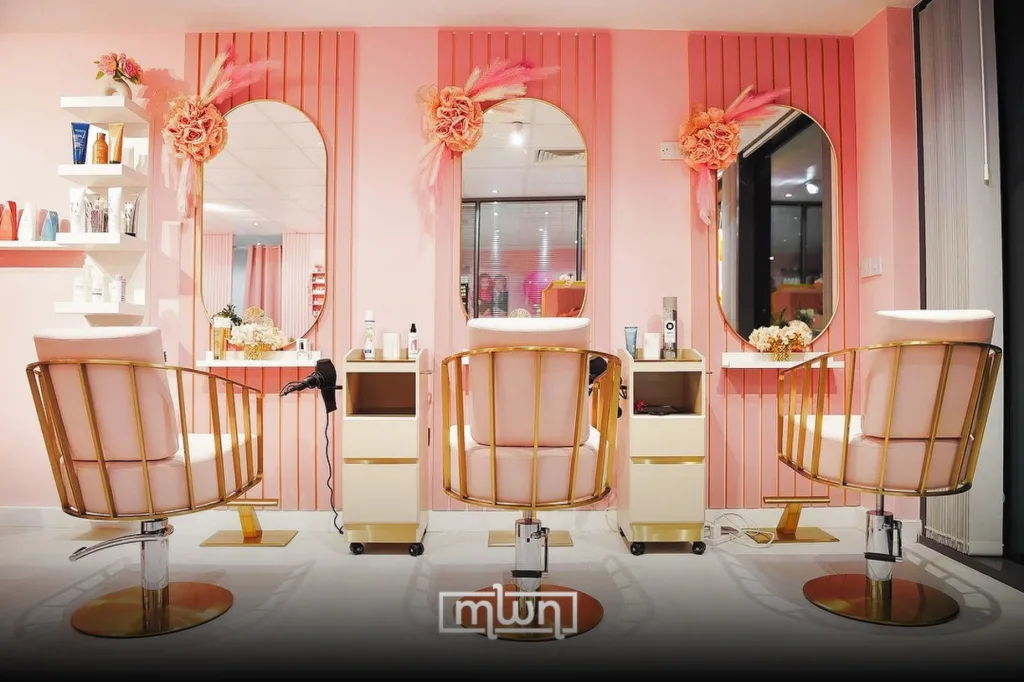
Casablanca’s vast beauty scene can be daunting, but focused salons offer a simpler path. Ditch the familiar and discover these top-rated spots for a welcome change, you won’t regret it.
‘Bakery World Cup 2026’: Team Morocco Heads to Paris With Global Ambitions

Morocco’s national baking team arrives in Paris carrying a modern vision of Moroccan craftsmanship, technical rigor, and international ambition.
The Moroccan Salon: A Cultural Centerpiece in Every Home
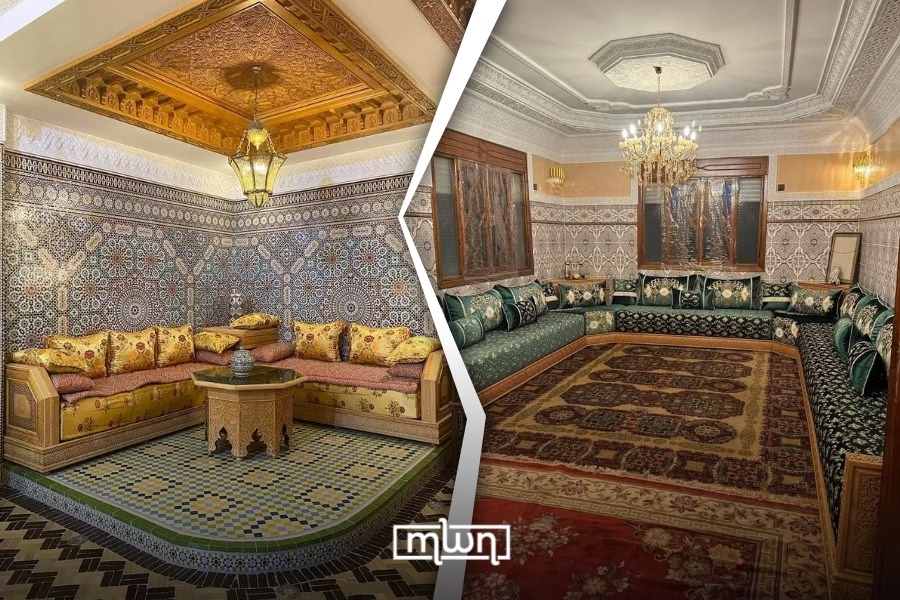
Walk into any Moroccan home, and the salon does all the talking. Fez– There’s one thing you’ll find in every Moroccan home, regardless of the region, social class, or square footage, and that’s the “salon beldi”, affectionately known as the “Moroccan living room.” But let’s be honest: Calling it a living room doesn’t quite do it justice. The Moroccan salon is more than a room; it’s a cultural artifact, a visual language, and, for many families, the heart of the home. For visitors, it’s often the first place they step into, and for locals, it’s where stories are told, guests are welcomed, and tea is endlessly poured. It’s no exaggeration to say that the Moroccan salon has become a national icon, helping shape the world’s perception of Moroccan heritage. Though universally loved, the Moroccan salon isn’t one-size-fits-all. Its design, textiles, and woodwork shift across the country’s regions, each version telling the story of its geography and local artisanship. Northern style Think bold embroidery, detailed wood carvings, and cooler color palettes. Influences here stem from Andalusian and Mediterranean aesthetics. Fassi and Rabati styles Central Moroccan salons are refined and regal, often featuring luxurious fabrics, velvet cushions, and masterfully crafted wood. Sahrawi style In the south, the desert influences are clear, simpler layouts, warmer tones, and a focus on comfort for gatherings that go deep into the night. What makes a Moroccan salon? Each element of the salon is carefully chosen, reflecting centuries of tradition, craftsmanship, and taste. Here’s a breakdown of what makes up this beloved space: The Cushions (Mtarbat or Ponge): These long, plush seats are filled with cotton, straw, or modern foams with springs, depending on the family’s budget. The “Sedari”: A wooden frame that holds the cushions, often intricately carved and inlaid with bone, metal, or even mother-of-pearl. Textiles (L’hof and cushions): Upholstery is a serious art form here. Expect rich jacquards, velvets, and silks in intricate patterns and color schemes that change with trends, but always echo tradition. The Rug (Zrbiya): From Rabati elegance to Fassi sophistication, from bold Atlas mountain weaves to imported Turkish flair, the rug anchors the space, sometimes literally. Curtains: Always matching or complementing the cushion fabrics, curtains are part of the overall harmony. Symmetry is key. The Ceiling and Walls: A salon isn’t truly complete without a sculpted plaster or cedarwood ceiling, zellige-tiled walls, and sometimes even a marble-inlaid floor. Natural light is essential, the salon is typically the brightest room in the house. Beyond aesthetics, the Moroccan salon is deeply tied to values like hospitality, family, and pride. Even in modest households, the salon is often the most carefully curated space, an emotional investment just as much as a financial one. Prices can range from MAD 2000 to millions, depending on materials and craftsmanship, and many families save for years to create their dream setup. In short, the Moroccan salon is an identity, a memory, and an artistry stitched together in velvet and wood. It tells you everything you need to know about the family inside. And honestly, isn’t that what home is supposed to do? Read also: “The Voice of Moon Children” Association in Fez Celebrates Winning the “Arab Hope Maker” Award
Moroccan Homes Always Have a Guest-Ready Living Room and Here’s Why
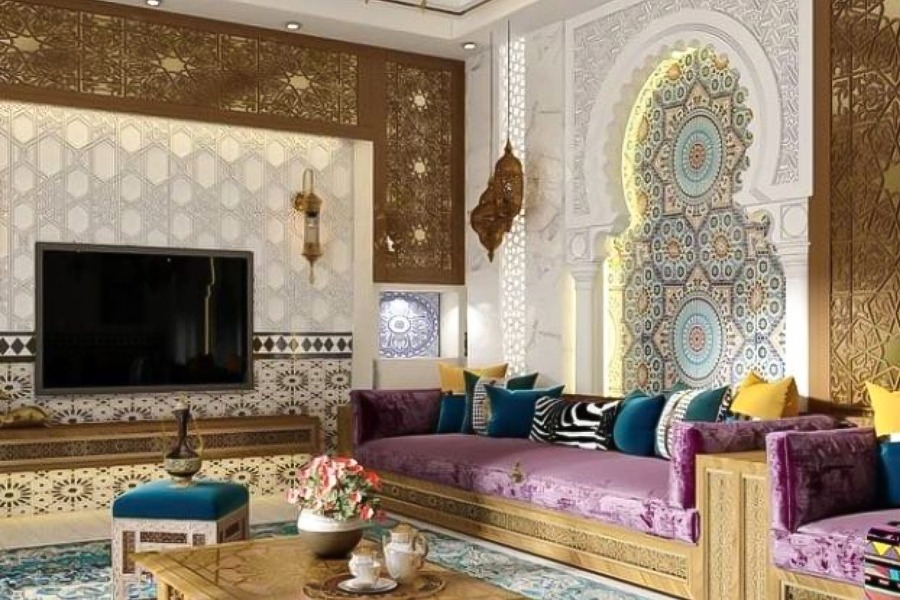
In Morocco, an unexpected guest is never a problem because the living room is always ready to welcome them. Fez– If you’ve ever stepped into a Moroccan home, you might have noticed something intriguing: the living room always looks like it’s expecting company. No matter the time of day or how chaotic life gets, there is always a perfectly arranged space ready to receive guests. But why is this such a universal trait in Moroccan households? Let’s explore the cultural roots, practical reasons, and everyday magic behind this tradition. The art of hospitality Hospitality in Morocco isn’t just a virtue, it’s practically a competitive sport. Being a generous host is deeply ingrained in Moroccan culture. The guest is considered a blessing, and treating them with warmth and respect is a matter of pride. A guest-ready living room ensures that no visitor, expected or not, ever feels unwelcome. In Moroccan culture, turning someone away at the door is unthinkable. Whether it’s a neighbor dropping by, a distant cousin visiting unexpectedly, or even a complete stranger in need of a cup of water, the living room is always prepared to accommodate them. The famous Moroccan Salon The guest-ready space in Moroccan homes is known as the salon. Unlike Western living rooms filled with individual couches and recliners, the salon is designed with built-in, wrap-around seating known as sedari. These long cushioned benches not only maximize space but also allow for easy reconfiguration, whether you’re hosting three guests or thirty. The salon is more than just a sitting area, it’s a multi-purpose room where families gather, guests are entertained, and even meals are served on beautifully carved wooden tables called mida. The decor is a blend of textiles, handwoven rugs, and elegant brass or copper trays used for serving the mint tea. Always ready for tea and talk Speaking of tea, no Moroccan guest experience is complete without the famous atay, steaming hot, sweet mint tea poured from a high-held teapot “berad” into delicate glasses. It’s the ultimate symbol of hospitality. Alongside it, you’ll likely find plates of nuts, dried fruits, or homemade sweets. Because visitors are common, Moroccan homes are perpetually stocked with these essentials. No one wants to be caught off guard when guests arrive, so there’s always extra tea, sugar, and Kaab ghzal on hand. Even in modern apartments and fast-paced city life, Moroccans hold onto this tradition. The guest-ready living room remains a cultural cornerstone, blending practicality with heartfelt hospitality. So, if you ever visit a Moroccan home, don’t be surprised if you’re ushered into a pristine, welcoming salon, handed a glass of mint tea, and made to feel like royalty. It’s just the Moroccan way. Read also: The Smell of Home: How Certain Scents Carry Our Childhoods