Being a half-British half-Moroccan actor residing in London, creating art that explores my mixed heritage has always been important to me. My father was born and raised in Tangier, Morocco, where he met my British mother and moved to England to marry.
Growing up in England, my Moroccan identity was an important part of my life, from spending my summers playing with my cousins in Tangier, to trying to learn more about my culture at home with my father. My childhood is full of fond memories of my times in Morocco and so it was heartbreaking when due to full time university studying and then the pandemic, I was unable to visit Tangier and my family for several years. However, finally in September 2021, I was able to go back.
In the lead up to this trip, I had been practicing my Darija, keen to feel a sense of belonging and connection to the home I had been away from for so long. I was nervous that I would feel like an outsider, a tourist in a place integral to my identity and sense of self.
Arriving
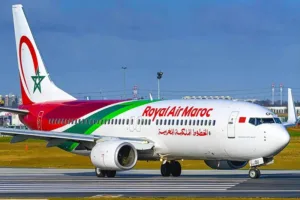
After much paperwork and COVID requirements, my family and I finally landed in Rabat late Thursday night, ready to drive to our home city – Tangier. As soon as I stepped off the plane, the familiar heat hit me – it is more than just a rise in temperature (which is not hard when living in England) but the thickness of the air, the smell of the city: indescribable yet immediately recognizable senses that any Moroccan is instantly familiar with. I could not sleep during the drive to Tangier, too eager to return and wanting to soak it all in.
As soon as we arrived in Tangier, everything felt so familiar and any fears of feeling like I didn’t belong vanished. The distinct rhythm of the car horns beeping as drivers swerved in and out of the roads, the clattering of carts pulling the prickly pears, and the footsteps of slippers hitting the tarmac, I was home.
Lamrani Fleurs
My first trip was to the Grand Socco, the roundabout full of turquoise taxis and traders was as busy as ever. Weaving in and out of the cars, I went down the steps into the Souk full of different meats, grains, vegetables and stalls. Through the archway I arrived at where my family owns and runs their own flower stall – Lamrani Fleurs. This stall holds generations worth of memories: the place my father grew up and worked in, where he first met my mother, where I would visit as a child to chat with my uncles and cousins whilst they worked – I cannot think of Morocco without the nostalgia of this place, its colourful flowers and central location in the Souk also being central in my memories of my home city.
Zankat de Wahid
The Souk then leads onto a maze, not just of memories but a labyrinth of narrow streets and pathways full of shops, cafes, and hidden sights. We wandered through, my father stopping to greet various school friends, my sister and I getting lost and finally recognizing the Zankat de Wahid, its translation – ‘the street for one’ encapsulating it’s narrowness – really only possible for one person to pass through at a time.
After squeezing through we found ourselves amongst multiple shops selling everything from keychains to bowls, plates, rugs and lights. Initially the shopkeeper greeted us in English. However, once I replied in Arabic, warm smiles and greetings were exchanged as we were treated as one of the locals, playing the game of bartering and avoiding the tourist prices. Several shops and exchanges later, we re-emerged at the Grand Socco and turned our attention to its historical courthouse situated by Le Jardin de la Mendoubia.
Le Jardin de la Mendoubia
The first thing that struck me was the stillness, we were alone in the gardens as we walked through the white arches and took in the significance of where we were. The hundred-year-old tree with its myriad of branches and trunks greeted us, leading me to wonder about all the sights and stories that tree had witnessed.
This tree’s beauty and strength provided solace and tranquility – vastly different from the bustling roundabout we had just passed. We stayed here for a while absorbing the history, my father telling us the meaning behind the huge stone sculpture: engraved on it the speech that the exiled King Mohammed V delivered declaring Morocco’s independence from France, the Tangiers Speech, 1947. I felt the importance of learning about the history of my culture and the many lives and journeys that came before, creating the Morocco I now recognize as home.
Asilah
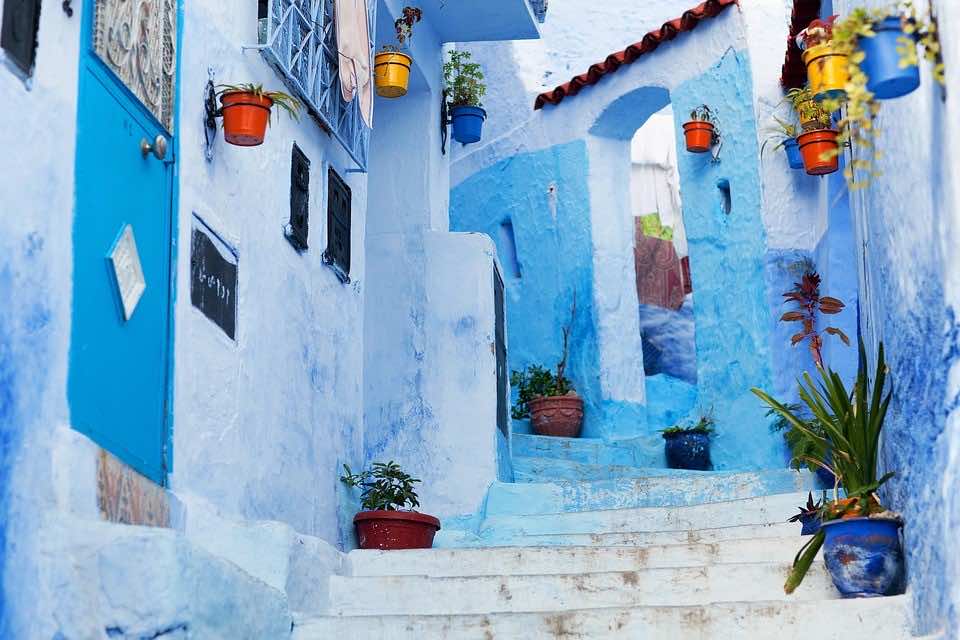
The trip felt like it was over as soon as it began. After many teary goodbyes with family, promises and Inshallahs to return soon, we drove back to Rabat – stopping off at Asilah for lunch. Asilah is a town known for its artwork and beauty. We walked through the streets looking at the murals painted on doors, walls and archways until we reached the wall that once protected the city. Looking across at the sea and listening to the waves, I felt a rush of peace. I had felt so nervous about coming back to Morocco for fear of feeling out of place, when the reality was quite the opposite.
Inshallah
Visiting Morocco felt like the warm welcome home I had not realised I had missed so deeply. I knew I wanted to create a video about my time here, but I wasn’t sure how to write the words to accompany it. Writing a short poem felt right because I was so overcome with the romance of Morocco, rhymes and imagery felt like a suitable choice to try to convey that. Using my art as a tool to connect is something I have always tried to do, but usually it is to connect the audience to the actor. This time, I was using it to connect to myself.
I hope this video encapsulates the longing and love for my home, something I know others must feel. I want this to capture the beauty of Morocco, specifically Tangier – a place so rich with stories and adventure, one that I cannot wait to go back to, Inshallah.