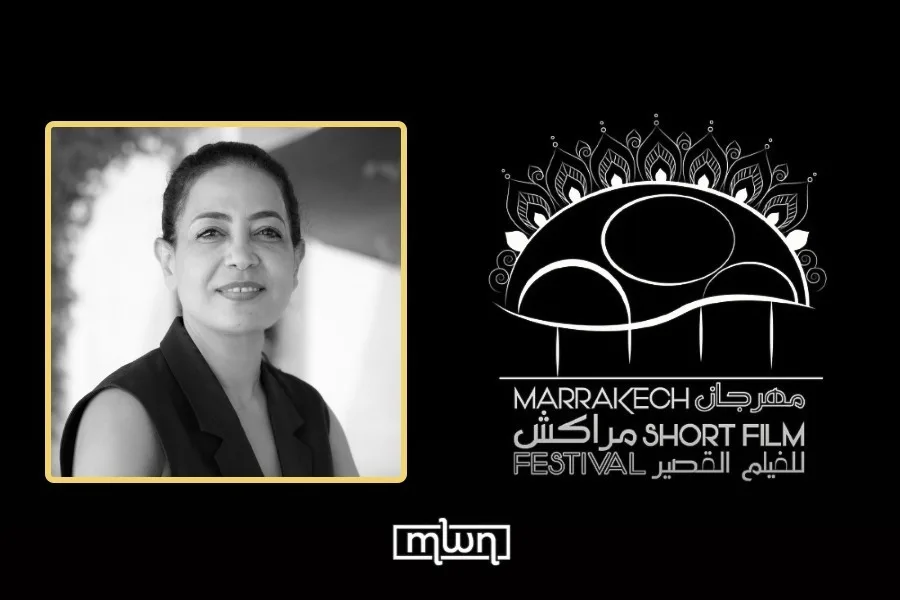
Rabat – When she speaks about the magic and therapeutic beauty of cinema, Lamia Chraibi likes to highlight the transformative role of festivals in discovering new voices, empowering women in cinema, and building bridges for Moroccan short films to reach international audiences.
She speaks, too, of the darkness preceding the start of the touch of genius, where cinema is born out of silent endeavor and quick breaths. The result, when the process is done right, is not just a blank screen. It is the art that embodies time, where light intersects with shadows.
MSFF and Marrakech’s cinematic appeal
That, to Lamia, is what breeds and sustains the magic of cinema, giving it a singular power to take us to another place and test our imagination.
Lamia is the producer and founder of the production companies Moon a Deal Films created in 2011 in Paris, and La Prod, created in 2007 in Casablanca.
Her work often focuses on finding new forms of stories and bridging different kinds of audiences through media.
As she prepares to take part in this year’s Marrakech Short Film Festival (MSFF), the producer is excited to immerse herself in the city’s oral legendary storytelling heritage and iconic cinematic landscapes. Marrakech, she believes, is a perfect hub for the MSFF.
And the festival, itself a cultural response to the pandemic, reignites Marrakech’s cinematic magic while positioning the city as a platform for creative exchange and emerging talent.
Born from the crossroads of trade routes, Marrakech has been a hub of storytelling and creativity for hundreds of years. The city boasts iconic shooting locations, from the mystical Medina to its palm-filled hinterland, making cinema a crucial thread of its cultural fabric.
Yet the advent of COVID-19 and the resulting closure of cinemas left local audiences with a thirst for the therapeutic pleasure of film-going
The role of festivals
As the MSFF returns to gracefully quench that thirst for the magic and beauty of cinema, Lamia believes that festivals also play an important role in giving a new impetus to the industry by unearthing and nourishing emerging talents.
They help discover and legitimize new voices and help professionalize them since selection alone is often enough to win over funders and partners.
“Through labs, workshops, and pitching sessions, festivals close the gap between early-stage ideas and producible projects and provide direct access to producers, broadcasters, and platforms, making actual market opportunities,” Lamia explained.
She added that the MSFF does this through a structured pitch program that takes participants from initial pitch through packaging and ultimately into production, with measurable objectives and the counsel of experienced producers, including Tamayouz award winners.
Lamia also spoke of the significant role festivals play in helping remove a number of structural obstacles, stressing: “Travel grants, childcare allowance, and mixed in-person/online delivery can make a difference of life or death in access.”
As Moroccan cinema grapples with an acute social exclusion problem, Lamia believes it is essential to create ways of opening up the field to new, often marginalized voices. “By calling in Amazigh and Arabic, we can reach more widely available skills and offer opportunities for women from various regions to become involved in film-making,” she argued.
Nurturing Moroccan creativity
She also explored the critical need to invest in building more bridges between Morocco’s burgeoning short-film industry to global audiences, explaining that one way of doing so is to create more flagship festivals and annual bilateral programs.
In this regard, she underlined the urgency of financing co-development residencies and labs between Morocco, Africa, and the EU so that cross-frontier cooperation and visibility would be developed.
The bottom line, she insisted, is that Moroccan producers need more support and professional guidance to be competitive on the international scene.
This is exactly the kind of work the MSFF has been doing, Lamia argued, hailing the festival’s role in discovering new voices, empowering women, and connecting Moroccan short films to global platforms. Through mentorship, funding, and inclusive programs, MSFF has been an invaluable platform of bridging local stories to international audiences while fostering a more diverse, accessible film industry.
She added, however, that more such efforts and initiatives are needed to unveil, foster, develop and export Moroccan creativity. Ultimately, she argued, the goal is to strive to make the country both a regional trailblazer and global force to reckon with in both the classical and emerging creative industries.