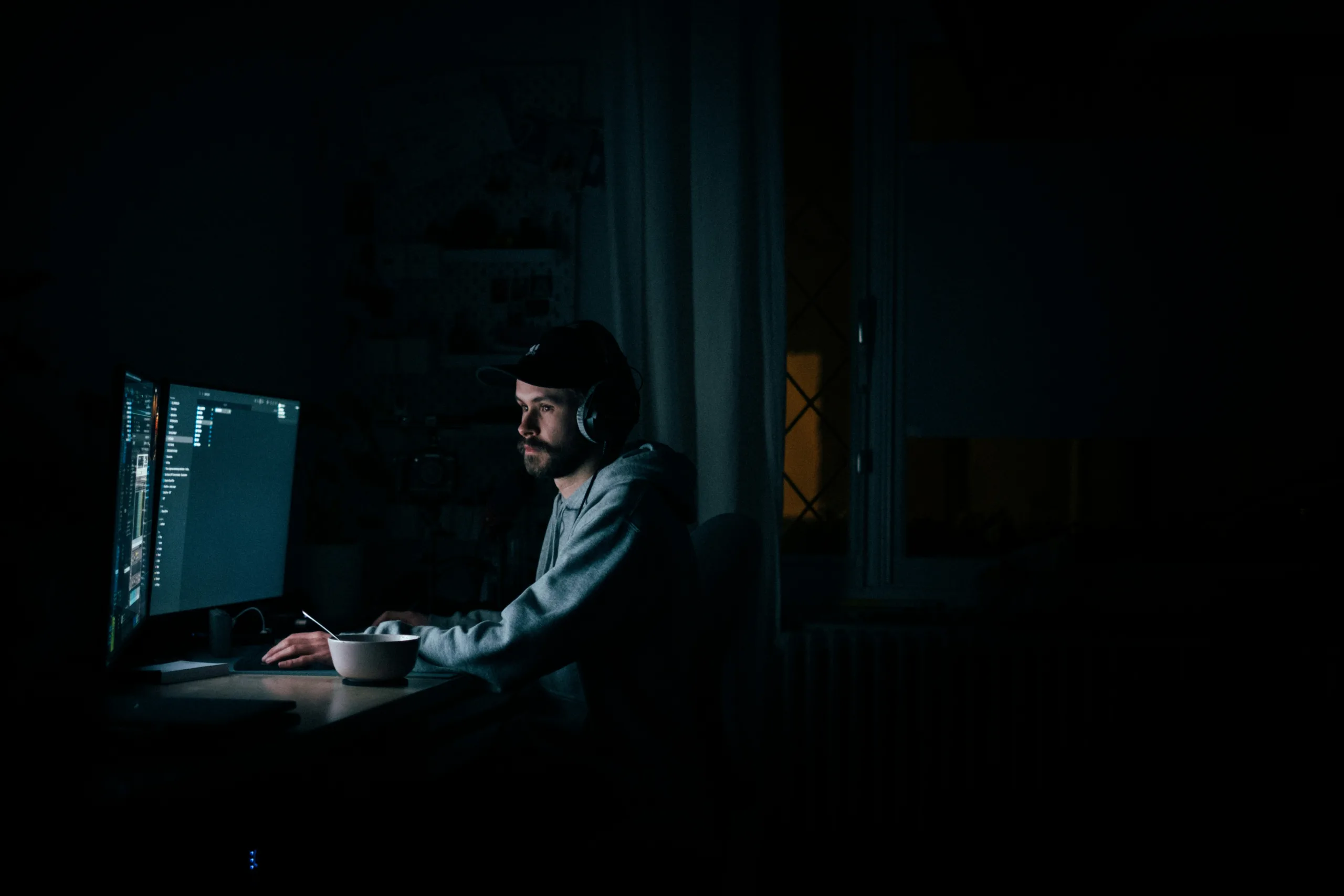
Fez – Whether you’re a student, a creative, or just naturally more energized after dark, managing a late schedule without sacrificing your well-being is a common challenge.
This guide offers practical advice on how to align your night owl tendencies with healthy sleep habits, ensuring you can thrive in the late hours while still getting the restorative rest you need.
Pick a sleep window that fits your schedule and keep it steady every day —even on weekends. Set a firm wake time, then get ten to twenty minutes of daylight as soon as possible once you wake up. Sunshine tells your body when the day starts, setting your circadian rhythm, even if that day may start late.
Lower the lights at night. Use warm screen settings, avoid bright ceiling LEDs, and cut glare on the way home with a cap or light tinted glasses. Give caffeine a curfew eight to ten hours before bedtime. Keep late meals lighter; think protein, vegetables, and healthy fats, and skip heavy spicy dinners at midnight.
Create a wind down routine for the last thirty to forty five minutes before bed. Shower, stretch, read a few pages, pack tomorrow’s bag. Keep the bedroom cool, dark, and quiet. Blackout curtains, a fan, or soft white noise can help if your street stays lively.
If you nap, keep it short and early. Ten to twenty five minutes before late afternoon is best. For workouts, train in the early evening so your body temperature can fall on time. Students should save deep work for the natural late-night peak, then block off the final hour for winding down, not for one more episode.
When life forces an early morning, prepare the night before. Dim lights earlier than usual, put screens away after nine, lay out clothes and breakfast. In the morning, get bright light and move for a few minutes. If you must nap later, take a quick twenty minute reset and return to your normal schedule that night.
During Ramadan, split sleep if you can. Take a solid block after prayers, then a short rest after Fajr. Keep suhoor balanced with protein, fiber, and fluids, and avoid scrolling in bed afterward.
Night routines are fine if you function well. If you snore loudly, stop breathing during sleep, or feel sleepy while driving, talk to a doctor.