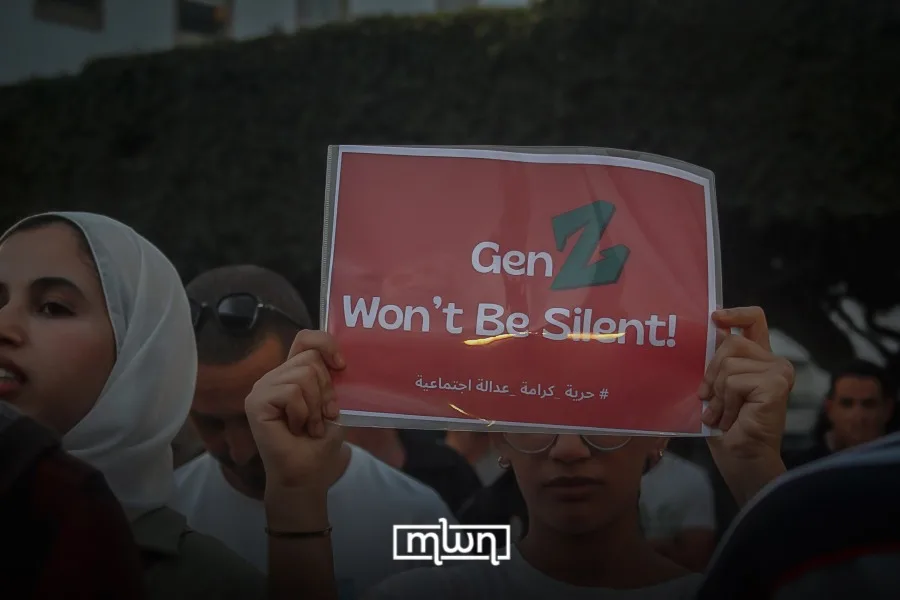
Fez — GenZ212 has erupted onto Morocco’s sociopolitical scene with a hybrid identity of digital fluency, cultural expression, and public protest. While the movement first emerged on social media platforms in early September, its impact now spans public squares, protest art, and national dialogue.
Taking its name from the generational moniker and Morocco’s +212 country code, GenZ212 was born in the wake of a tragic incident involving the deaths of eight pregnant women in Agadir.
The movement has since transformed outrage into a multi-platform campaign for dignity, equity, and reform.
Decentralized but determined
Without a central leader or office, GenZ212 operates through decentralized chatrooms, viral videos, and protest guides shared via TikTok, Instagram, and Discord. The group’s ethos borrows from global Gen Z values (fluid identity, DIY creativity, and digital activism) yet remains rooted in Morocco’s distinct realities.
Online slogans like “We want hospitals, not stadiums” and “We are the youth, not parasites” have turned into chants on the streets. Through this mobilization, the group voices frustrations over healthcare, unemployment, education gaps, and government accountability.
From protest to lifestyle
While GenZ212 began as a protest movement, it now influences how young Moroccans dress, create, and connect. Murals, spoken word performances, and rap tracks inspired by the movement are appearing in gatherings and social media feeds alike.
For many, GenZ212 is more than activism; it’s a lifestyle. Digital-native habits like meme-making, livestreaming, and aesthetic documentation now blend seamlessly with physical presence in street protests. The boundary between online identity and offline action continues to blur.
From domestic to diaspora
The movement has also echoed abroad. Moroccan communities in cities like Amsterdam and Montreal have staged solidarity events under the GenZ212 banner, extending the conversation into global Moroccan diaspora circles.
Escalation and risks
While GenZ212 insists on peaceful protest, clashes with authorities have escalated. In some instances, rioters have vandalized streets, spreading chaos and overshadowing the original non-violent nature that the organizers hope to achieve. Over 400 protestors have been arrested, while the government reports over 260 police officers were injured. International observers, including Amnesty International, have called for investigations into the state response.
With no formal leadership, the movement faces internal challenges as well. But its adaptability and digital reach continue to fuel national relevance.
A youth movement with staying power?
As GenZ212 enters its second month, it raises key questions: Can a digital-first, leaderless movement sustain momentum? Will public institutions respond with genuine reform? And could this become a template for Gen Z-led change across North Africa?
What remains certain is that Morocco’s youth are no longer waiting in silence. They are remixing protest, culture, and digital life to push for a more just future on their own terms.