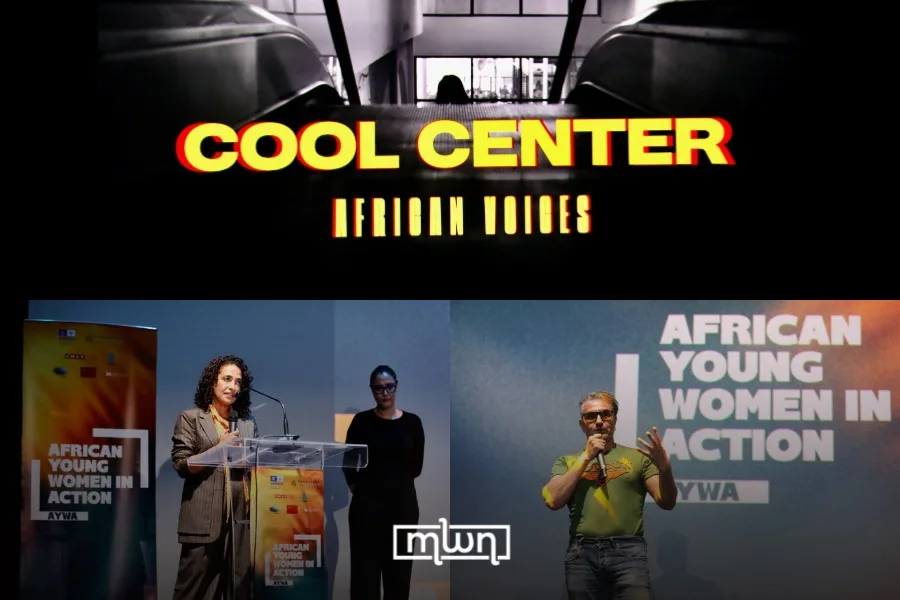
Marrakech – Yesterday evening the Rabat Cinematheque welcomed the closing ceremony of the AYWA (African Young Women in Action) residency, a pan-African initiative celebrating emerging female filmmakers.
Over six weeks, ten participants from the five sub-regions of Africa traveled between Rabat, Casablanca, and Marrakech to take on a rare challenge: creating a short film from scratch under professional conditions.
The outcome was ten original films, ten distinct voices, showcased together for the very first time before an audience of media, industry professionals, and cultural representatives.
Selected from more than 400 applications, the participants engaged in an intensive programme covering all stages of filmmaking: writing and development (including synopsis, script, storyboard, casting, and location scouting), professional shooting with experienced crews, and post-production (editing, sound, mixing, color grading) under tight deadlines.
These short films will collectively form a pan-African anthology series, centered on women’s perspectives and exploring themes of heritage, personal revolutions, and contemporary imagination.
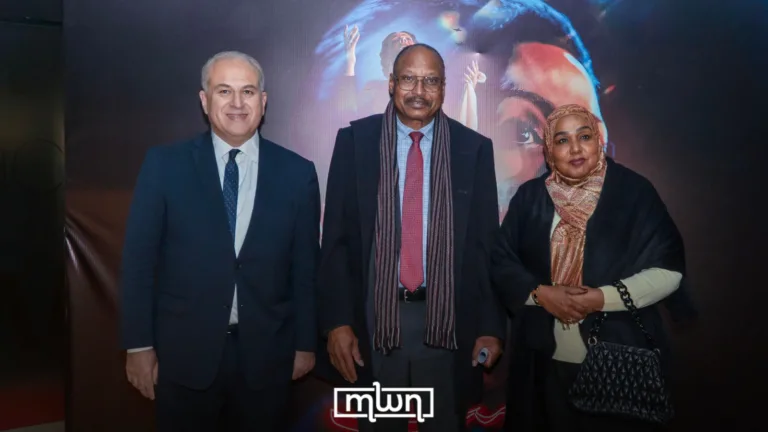
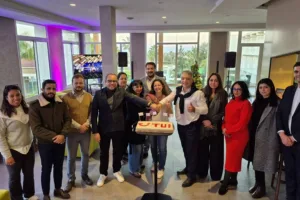
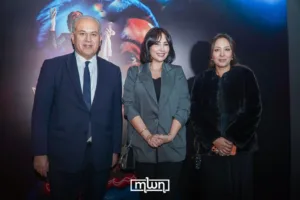
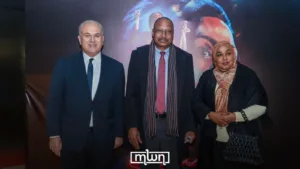
The closing evening was attended by the ten filmmakers, lead mentor Hicham Lasri, Lamia Chraibi, President of the Tamayouz Cinema Foundation, and representatives from UNESCO and other institutional and private partners.
The screenings sparked lively discussions, exchanges, and emotions, highlighting AYWA as a platform not only for cinema but also for dialogue, boldness, and mentorship.
Voices from the residency
In a press release shared with MWN, renowned Moroccan director Hicham Lasri reflected, “Watching these voices emerge, these films take shape, and this solidarity grow is proof that another kind of African cinema is possible, bold, rigorous, and deeply human.”
Lamia Chraibi, president of the Tamayouz Cinema Foundation and founder of the AYWA Programme, added, “AYWA is not just a residency; it is a platform to bring new voices to light, to build bridges between emerging talents and industry professionals, and to affirm that Africa can produce a cinema that is free, ambitious, and authentic.”
Participants also shared their experiences. Moroccan filmmaker Wissal Jabri noted that AYWA “pushed me out of my comfort zone and led me to create a film far from my usual style,” while Botswana’s Abigail Kelapile praised the mentorship and cross-cultural collaboration that opened “new paths for future documentary projects.”