Fez — Moroccan media and tech group DIR MEDIAS has signed a strategic partnership with French publisher TOKEN ECONOMICS to bring Certidox, an international document certification solution, to the Moroccan market. The move seeks to give institutions and companies a stronger shield against fraud, falsification, and disinformation as the country’s economy becomes increasingly digital.
The agreement makes DIR MEDIAS the official representative of Certidox in Morocco. The group will oversee deployment, support, and awareness campaigns around the tool, which is already used abroad to secure sensitive documents.
Kamal Bouayad, founder and CEO of DIR MEDIAS, said the partnership reflects a clear goal: to equip Moroccan actors with “innovative tools to secure their communications and documents,” and to take a new step toward what he calls genuine digital confidence.
A tech answer to a trust problem
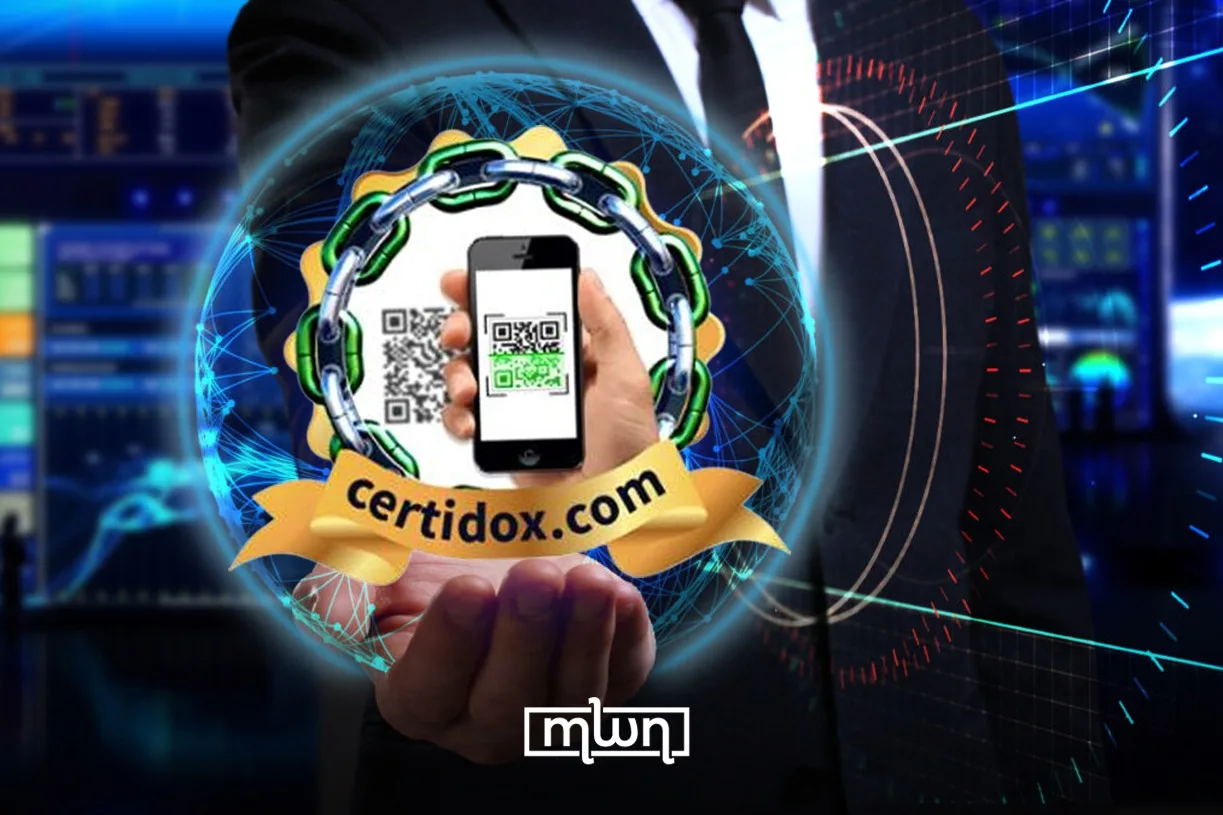
Certidox is built around a simple idea with complex engineering behind it. Each document, whether physical or digital, is linked to an encrypted QR seal. Scanning that code with a dedicated mobile app or integrated software library lets users instantly verify who issued the document, whether it is still valid, and whether its content has been altered.
The system is designed so users do not have to register or hand over personal data to check authenticity. Verification is immediate and anonymous, while the issuing institution keeps full control of its information.
According to TOKEN ECONOMICS, the security architecture is patented and built to respect confidentiality rules. Documents are not stored “in clear” on servers, reducing the risk of leaks or misuse. If a document is revoked — for example, a cancelled diploma or an outdated contract — anyone who previously scanned it can receive an alert.
Rémy Eisenstein, President of TOKEN ECONOMICS, said the company is pleased to enter a market with strong digital potential alongside a local partner that understands the ecosystem. The aim is to offer a certification tool that is both reliable and accessible.
Turning Morocco into a ‘digital confidence stronghold’
The launch comes as Morocco accelerates its digital transformation, from e-government platforms to online banking and remote work tools. With more transactions and communications moving online, the cost of fake documents, forged signatures, or misleading statements has risen.
By certifying the origin and integrity of documents such as academic diplomas, commercial contracts, bank attestations, and institutional releases, Certidox is presented as a way to reduce these risks. The technology targets both identity theft and the spread of falsified content, two issues that can undermine trust in public and private institutions.
DIR MEDIAS plans to back the rollout with training and demonstrations. The group says it will work with companies, administrations, and professionals to integrate certification into their daily workflows and to build a culture of verification rather than blind trust.
From media group to trust infrastructure
For DIR MEDIAS, the partnership extends its role beyond media production and consulting toward a more infrastructure-like function in the digital space. The company already operates in content, communication strategy, and tech distribution for clients in North Africa. With Certidox, it adds a layer of security to that offer.
The group will act as a local point of contact, providing technical support, implementation guidance, and sector-specific use cases. That local anchoring is meant to ease adoption among Moroccan organizations that may see certification as complex or costly.
On the other side of the partnership, TOKEN ECONOMICS brings the technological backbone and global experience. A subsidiary of SYMEX ECONOMICS, the company has positioned Certidox as a third-party of trust for entities that want to secure their publications and reinforce the credibility of their information flows.
Toward a new norm for documents
The partners present the launch not as a niche product but as a step toward a new normal in how documents are issued and read. In their vision, a QR seal linked to a cryptographic system will become as natural as a stamp or a handwritten signature.
For Moroccan institutions and businesses, the challenge now is to decide which documents to certify first, how to integrate verification into existing processes, and how to explain the change to employees, clients, and citizens.
As part of the invitation from DIR MEDIAS, companies, public bodies, and professionals are urged to test Certidox and to join what the group calls a decisive shift toward safe, transparent, and fully controlled document management.
In a context where trust can be as valuable as any asset, the real question will be how quickly certification moves from optional extra to basic expectation — and whether Morocco can turn that shift into a competitive advantage in its wider digital transition.