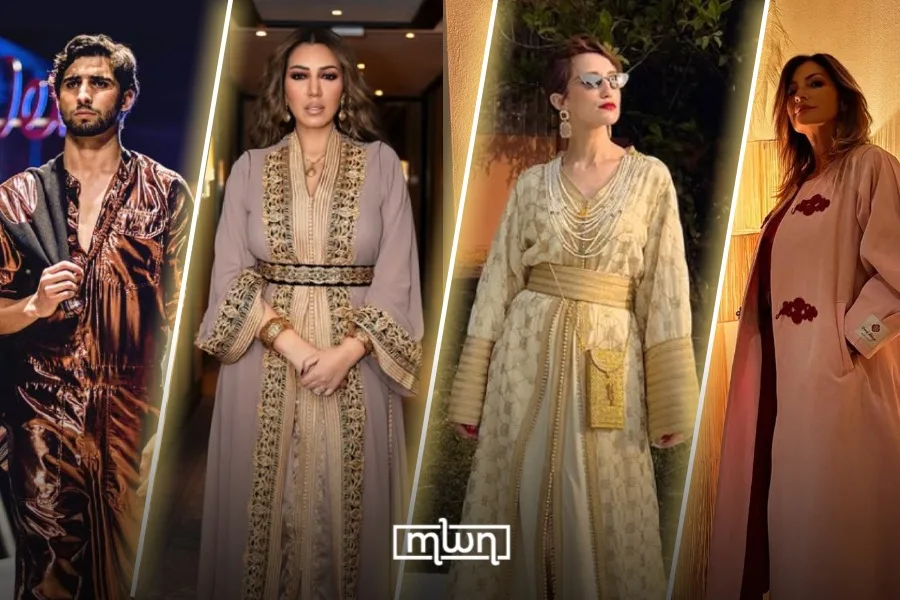
Marrakech – The Moroccan caftan has officially secured its place on the UNESCO Representative List of the Intangible Cultural Heritage of Humanity, marking a major cultural milestone for the Kingdom.
The announcement came during UNESCO’s session in New Delhi, confirming what many Moroccans have long celebrated: the caftan is not merely clothing, but a living emblem of Moroccan identity, craftsmanship, and historical continuity.
The soul of Morocco’s sartorial culture
The inscription acknowledges centuries of artistry carried by generations of women, master artisans, and regional schools of design, each contributing to the caftan’s evolution while safeguarding its essence.
It also reinforces Morocco’s ongoing efforts to protect, promote, and globalize its cultural heritage.
To understand how this recognition resonates within Morocco’s creative and cultural community, MWN spoke with leading designers, artists, and digital voices, figures who celebrate, wear, document, and elevate the caftan in their work.
Marakech-based Italian fashion designer Veronica Pozzi expressed deep admiration for the inscription and the artisans behind it.
“The caftan embodies the soul, history, and cultural diversity of the Kingdom. Bravo to the artisans, communities, and all those who work to preserve this unique treasure,” she said.
Her praise for artisans and communities places the focus on the people who carry this heritage, emphasizing authenticity over trend.
From the FAMA (Fashion & Art Moroccan Association) team, Sami Lakouait, Founder & Head of Global Content, emphasized that the caftan’s legacy is inseparable from the people who shaped it.
“The caftan is Morocco’s story, worn with pride across centuries. Attempts to claim it fall flat, because true heritage belongs to its people,” Lakouait pointed out. “At FAMA, we celebrate UNESCO’s recognition and the artisans who keep it alive, untouchable and unmistakably Moroccan.”
His mention of artisans as guardians adds weight to the UNESCO listing, framing it as a victory for cultural integrity.
‘A heartfelt salute to our artisans’
On the other hand, renowned Moroccan artist Asma Lmnawar highlighted the timeless craftsmanship preserved in Moroccan ateliers.
“The Moroccan caftan” is “an art of traditions and skills,” she explained, exclaiming: “A thousand congratulations for this UNESCO recognition of this Moroccan cultural heritage!”
Her congratulations reflect a shared national sentiment, an artist celebrating the artistry of her own culture.
From the world of digital storytelling, Moroccan Mirage, a Moroccan digital creator, honored the hands and hearts behind every piece.
“The Moroccan caftan at UNESCO. A heartfelt salute to our artisans,” she added.
In saluting artisans directly, she bridges the digital world with traditional craftsmanship.
For many in the creative industry, this inscription is more than an international acknowledgment. Instead, it is a reaffirmation that Moroccan cultural identity continues to inspire, influence, and leave its mark across the world.
It validates the artisans who spend years perfecting embroidery techniques, the designers who reinterpret heritage for modern wearers, and the communities who keep these traditions alive.