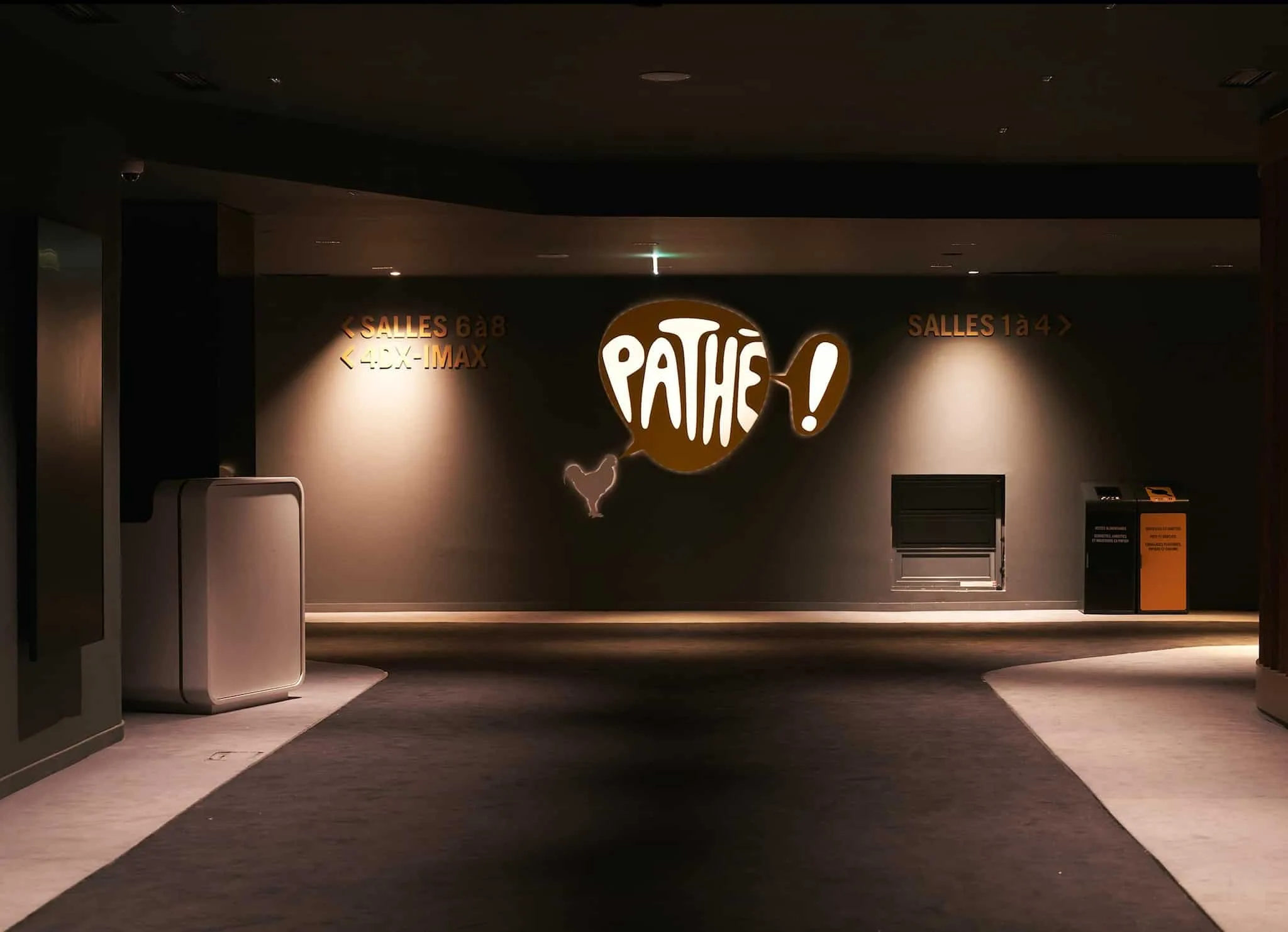
Fez — Starting December 16, filmgoers in Rabat will have a new destination with the opening of Pathé Rabat at the Dar Essalam market.
The new cinema complex is the French operator’s second multiplex in Morocco, arriving two years after the launch of Pathé Californie in Casablanca.
Eight screens and immersive tech
Pathé Rabat will feature eight modern screening rooms equipped with IMAX Laser, 4DX, and Dolby Atmos, along with premium seating. The combination of high-end sound and image technology aims to offer an immersive experience for both blockbuster releases and more intimate titles.
As in other Pathé sites, audiences will have access to online ticketing, loyalty cards, VIP offers, and a regular program of national and international releases. The complex is designed as a full-service venue, bringing together comfort, advanced projection, and a wide choice of films.
Strengthening Rabat’s cultural infrastructure
The opening of Pathé Rabat supports the capital’s broader effort to modernize its cultural infrastructure. It comes as a complement to Megarama Rabat, which opened in 2019, and adds another large cinema space to a city that has been positioning itself as a cultural hub in recent years.
With this new venue, Rabat reinforces its status as a cultural capital, offering residents and visitors more options for cinema outings in a central urban setting.
A wider rollout with Marjane Group
For Pathé Maroc, the Rabat cinema is part of a larger plan to build a network of multiplexes in major Moroccan cities in partnership with Marjane Group. In April 2025, Marjane and Pathé signed a strategic agreement to support the rollout of several cinema complexes across the country.
The project fits into Marjane Group’s strategy to make better use of its commercial real estate by integrating premium cultural and leisure experiences into its centers. By placing cinemas inside or alongside shopping spaces, the group aims to turn its sites into full lifestyle destinations rather than simple retail locations.
With Pathé Rabat, this approach gains a high-profile example in the capital, and Moroccan audiences gain another modern screen complex at a time when the country’s cinema offer is gradually diversifying and updating.