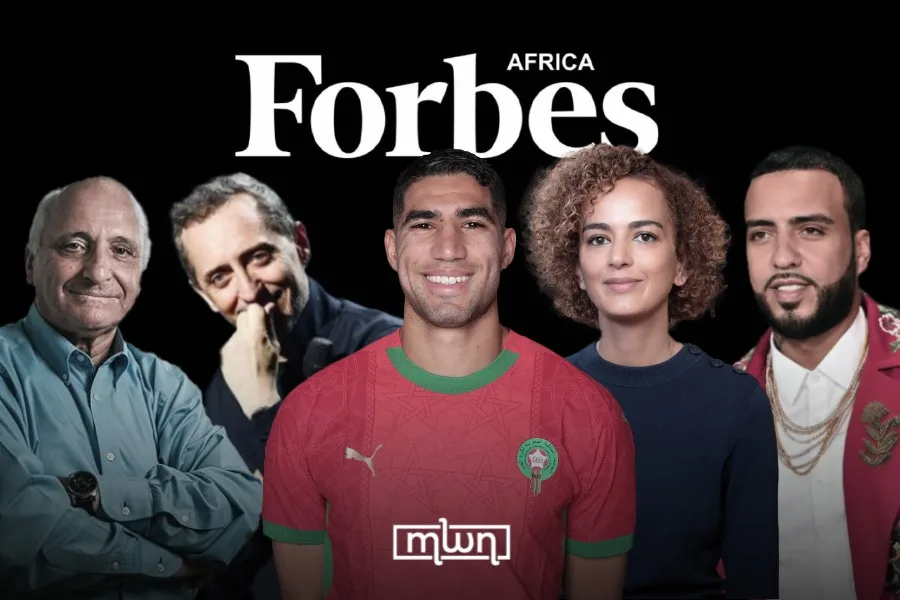
Fez — Forbes Africa has published a feature on what it calls Morocco’s “soft power ambassadors,” arguing that a generation of Moroccan artists, athletes, scientists, and entrepreneurs is influencing global perceptions of the Kingdom well beyond traditional diplomacy.
Science and innovation as soft power
The feature highlights physicochemist Rachid Yazami, presenting him as a low-profile inventor whose work underpins everyday modern tech through lithium-iron battery development. It points to his patents, international research path, and major prizes as markers of impact that quietly travels worldwide.
Global culture carried by comedy, literature, and music
Forbes Africa also points to comedians Jamel Debbouze and Gad Elmaleh as diaspora figures who turned lived identity into mainstream cultural influence across multiple countries and stages, while keeping Morocco visible in their public storytelling.
On the literary side, the piece features Tahar Ben Jelloun and Leïla Slimani, framing their international readership, translations, and public-facing roles as part of a Moroccan cultural presence that participates in global debates around identity, society, and belonging.
It also includes Moroccan-American rapper and entrepreneur French Montana, presented as a pop-culture bridge whose reach extends from music into business and philanthropy.
Faces on screen and on the world’s biggest stages
In film and series, the article names actor Assaad Bouab as an international presence across major productions and platforms — an example of Moroccan talent moving through global entertainment circuits.
In sport, Forbes Africa cites kickboxer Badr Hari and footballer Achraf Hakimi as highly visible figures who project a Moroccan brand of excellence through performance, public persona, and off-field initiatives.
Business and creativity shaping Morocco’s image
The list also extends into architecture and media leadership, profiling architect Jamal El Karkouri for design work that blends contemporary forms with Moroccan references, and producer Bouchra Réjani for building international entertainment bridges through her studio work.
Why this matters
The core argument of the Forbes Africa piece is that Morocco’s influence increasingly travels through individuals who export ideas, aesthetics, innovation, and excellence — often through diaspora pahways — creating cultural familiarity that can ripple into tourism, investment interest, and international partnerships.