Fez — In winter, breakfast often gets heavier and more carb-forward, which can leave you hungry again fast. Adding extra virgin olive oil is a simple way to make your first meal more satisfying while supporting heart-friendly nutrition.
Extra virgin olive oil works especially well in winter breakfasts because it adds warmth and richness without relying on butter or other saturated fats. Nutrition research consistently shows that olive oil’s main advantage comes when it replaces less healthy fats: it is naturally high in monounsaturated fat, and swapping monounsaturated fats in for saturated fats helps lower LDL (“bad”) cholesterol.
Steadier energy when mornings feel longer
Cold weather can push people toward quick breads, pastries, or sweetened drinks in the morning. When breakfast is mostly refined carbs, blood sugar can spike and drop quickly, which often brings hunger back sooner.
Adding olive oil introduces fat that slows digestion and can help smooth the post-meal rise and fall. In a small controlled study, a Mediterranean-style meal with extra virgin olive oil led to lower post-meal blood glucose and a more favorable short-term lipid response compared with the same meal without it.
Better use of the nutrients already on your plate
A winter breakfast that includes vegetables, herbs, or even leftover roasted vegetables can benefit from olive oil because many plant pigments and vitamins are fat-soluble.
Research on carotenoid-rich foods shows that co-consuming olive oil can improve carotenoid absorption compared with some other fats, which matters for nutrients tied to vitamin A activity and antioxidant function.
A heart-healthy habit that’s easy to keep
Beyond the “healthy fat” label, the consistency is what makes olive oil useful: it’s easy to use daily. An American Heart Association overview highlighted evidence that consuming more than about half a tablespoon per day is associated with lower heart disease risk in observational research, and it specifically notes olive oil’s monounsaturated profile and its role as a healthier replacement for butter and other fats.
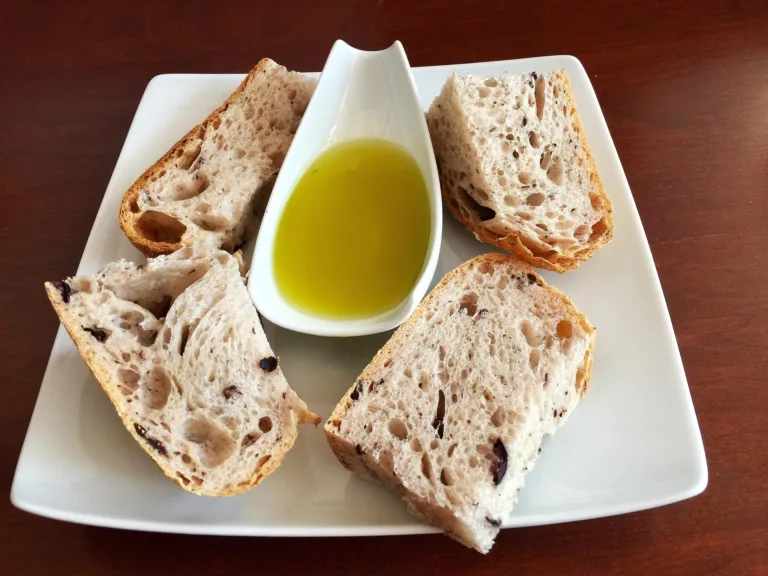
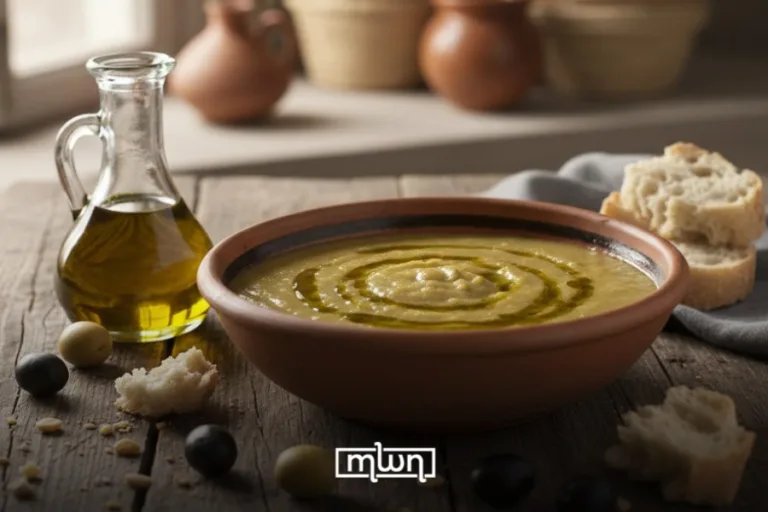
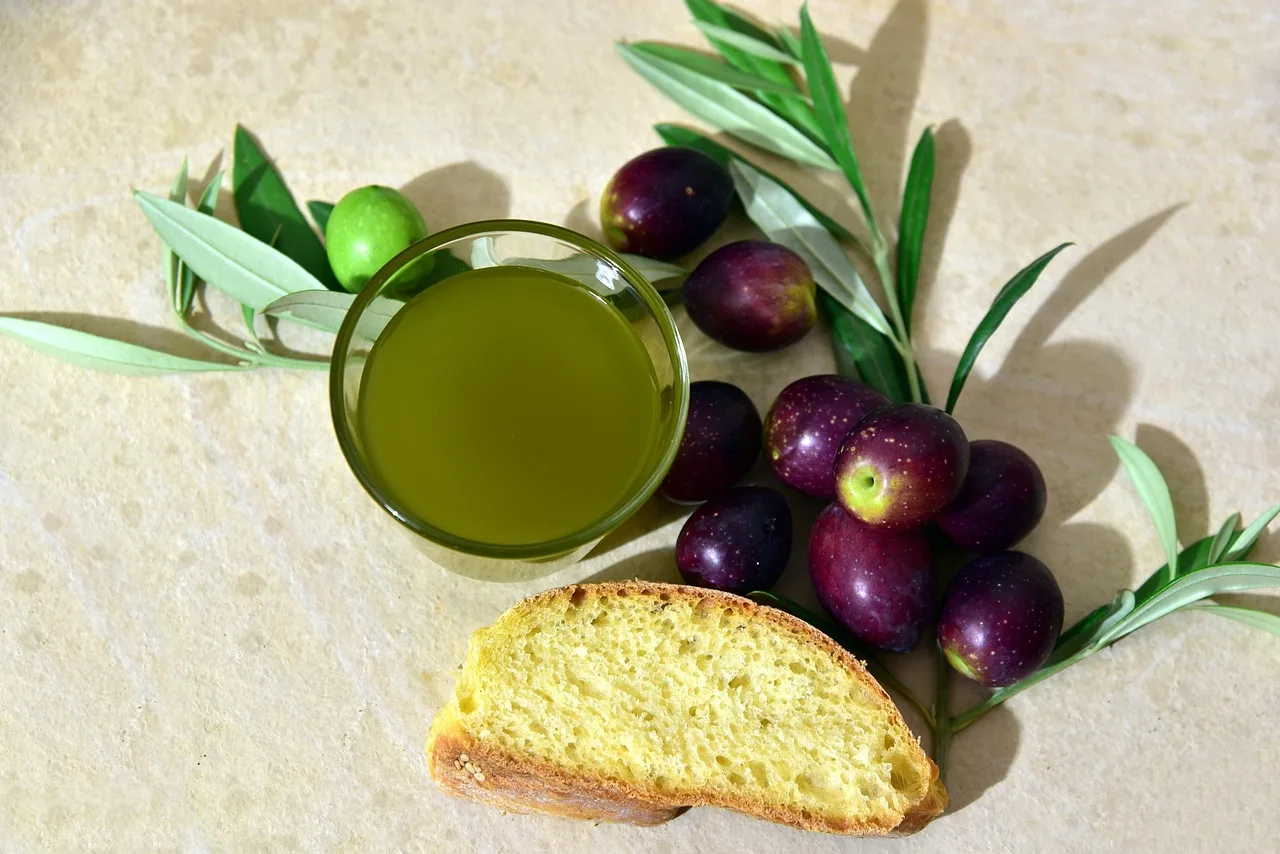
In practice, this can be as simple as drizzling olive oil over eggs and tomatoes, dipping bread into olive oil with olives, or finishing a warm bowl like beans or soup with a spoon of olive oil for flavor and fullness. If you’re watching calories, remember olive oil is still an oil, so a small amount goes a long way.