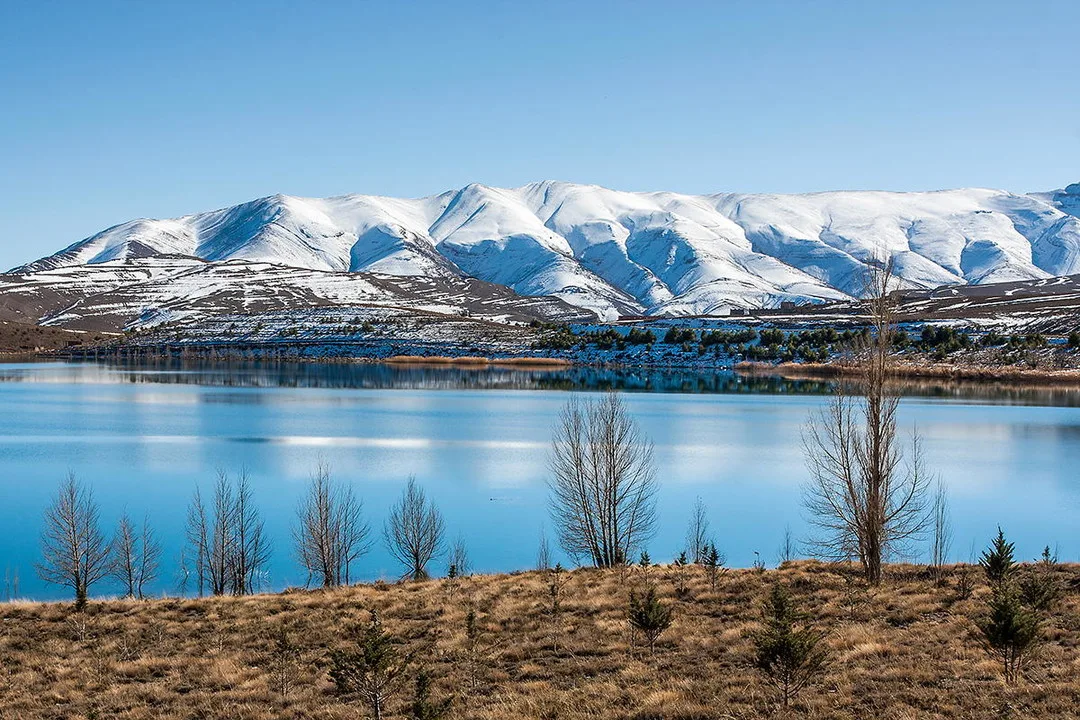
Fez — Lake “Tislit” sits near Imilchil in Morocco’s eastern High Atlas. It lies inside the “Haut Atlas Oriental National Park.”
The lake is small, quiet, and very high. Sources place it around 2,100 to 2,200 meters above sea level.
Visitors rarely come only for the view. They also come for the story. The legend gives the place a second life.
Amazigh legend: how tears filled the lakes
Local folklore links Tislit and Isli to forbidden love. The lovers came from rival tribes, and their families refused the marriage.
In the best-known version, grief takes over their lives. They cry for days. Their tears form two lakes.
The story also explains the names people repeat today. Many guides translate Tislit as bride. They translate Isli as groom.
That is why the lakes are often called the bride-and-groom lakes. The legend turns geography into memory.
The twin lake: why Isli matters too
Lake Isli is not far from Tislit. Many travelers visit both on the same route.
Together, they shape the identity of the Imilchil area. They also shape how people talk about love and choice.
The lakes are also part of a protected wetland zone. The Ramsar listing groups them as Lacs Isly-Tislite.
The link to Imilchil’s marriage festival
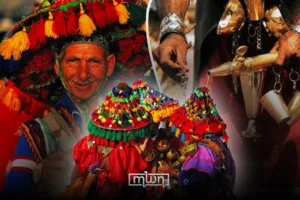
The same legend is widely tied to Imilchil’s marriage gathering. Many call it the Imilchil Marriage Festival. Others call it a betrothal moussem.
The event usually takes place in September. It draws tribes from the region and visitors from outside.
People come for tradition, music, and the souk. The festival is also known for marriage arrangements.
Popular stories link the festival to the lakes’ love story. They say it offers a better ending, and gives young people a public space to meet.
Some recent editions also pair the moussem with cultural programming. Reports have linked it with a Peaks music festival.
Why winter is the most dramatic season
Imilchil sits in a cold mountain zone. Winter can bring heavy snow at higher altitudes.
The park’s own climate notes describe winter snows as abundant and long-lasting. That is especially true on high plateaus.
When snow falls, the scene changes fast. The shores turn white. The mountains look sharper. The water looks darker.
That contrast is what makes winter special here. It feels far from Morocco’s coastal image. It also feels very still.
Cold light adds another layer. Mornings can look blue and silent. Late afternoons can glow briefly, then fade.
A protected place with a living local role
Tislit is also described as an agdal zone. This is a traditional grazing area used seasonally.
The lakes are not only scenic stops. They sit inside a cultural landscape. It includes herding routes and village life.
That mix is part of the appeal. You see nature, then you hear the story. You feel the winter air in your chest.
In Imilchil, Tislit and Isli are more than just bodies of water. They are a shared tale in the mountains. They are also a winter view worth the road.