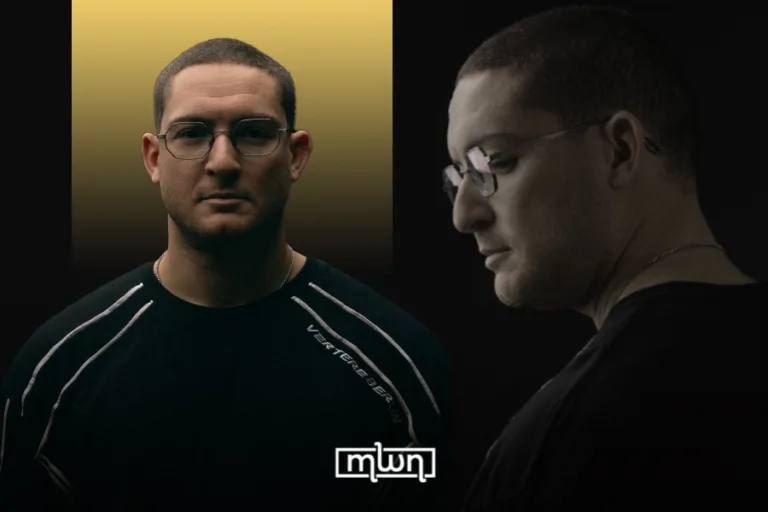
Fez — Moroccan rapper Pause Flow has been released from prison after serving one month of a sentence handed down by the Court of First Instance in Sefrou, closing a legal case that drew sustained attention from artists, fans, and civil society.
The court sentenced the rapper to three months in prison, with part of the sentence suspended, along with a fine of MAD 2,000. As a result of the suspended term, Pause Flow was released after completing one month in detention.
While the legal process has now formally ended, the case continues to resonate beyond the courtroom, particularly within Morocco’s hip-hop scene.
From arrest to sentencing
Pause Flow was detained in late November after being summoned with charges related to insulting public institutions and officials. Prosecutors cited content linked to his artistic output, a detail that immediately set the case apart from routine criminal proceedings.
Requests for provisional release were denied during the early stages of the trial, keeping the rapper in custody as hearings unfolded. The decision to hold him behind bars intensified public interest and helped turn the case into a focal point for online debate.
Authorities did not present the ruling as a judgment on rap music itself, but references to lyrics and artistic material were enough to raise concerns among musicians and cultural observers.
Solidarity from the rap scene
As news of the case spread, several prominent figures from Morocco’s hip-hop community voiced support for the rapper. Among them was Don Big, who publicly criticized the prosecution of artists over lyrical content and framed the case as a troubling signal for creative freedom.
These reactions highlighted a rare moment of collective positioning within the rap scene, where established artists openly defended a younger figure facing legal pressure. For many supporters, the case was less about one individual and more about how artistic language is interpreted within the legal system.
A petition and public pressure
The debate widened further after artists like ElGrande Toto and Khtek along with many activists signed a petition calling for Pause Flow’s release. Signatories argued that the prosecution relied on selective readings of artistic work and warned against criminalizing creative expression.
The petition drew thousands of signatures and kept the issue in public view as the trial progressed. Supporters invoked Morocco’s constitutional guarantees on freedom of expression, insisting that artistic creation should not be treated as a criminal offense.
After release, unanswered questions remain
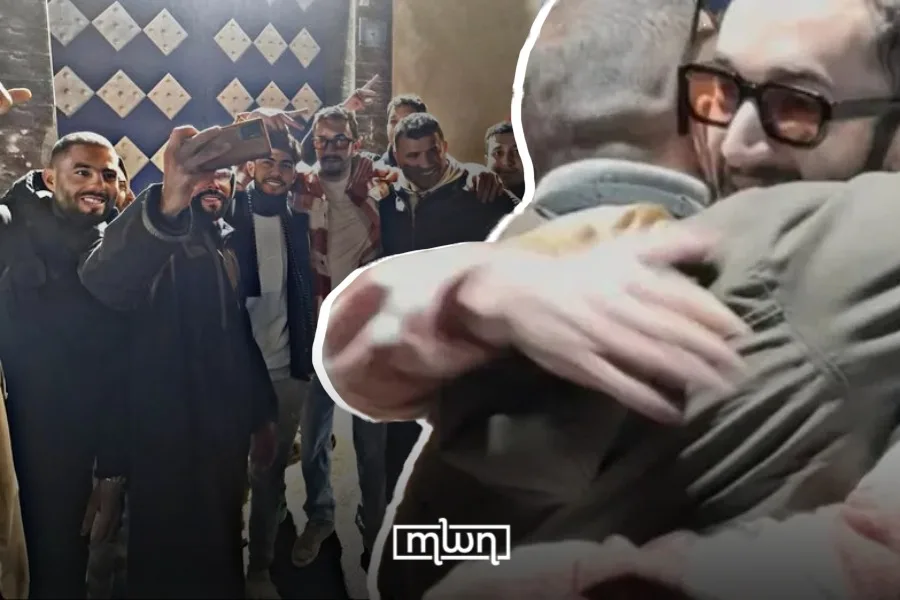
Images and messages celebrating Pause Flow’s release circulated widely following his exit from prison, showing emotional reunions and renewed public support. Fans have since speculated about whether the experience will influence his future music.
Yet the broader questions raised by the case remain unresolved. For many observers, it has become a reference point in ongoing discussions about youth culture, rap music, and the limits of expression in Morocco.
Pause Flow’s release may mark the end of his legal ordeal, but it also underscores a continuing tension between artistic expression and judicial boundaries — a tension that is likely to surface again as Morocco’s rap scene continues to grow and challenge social norms.