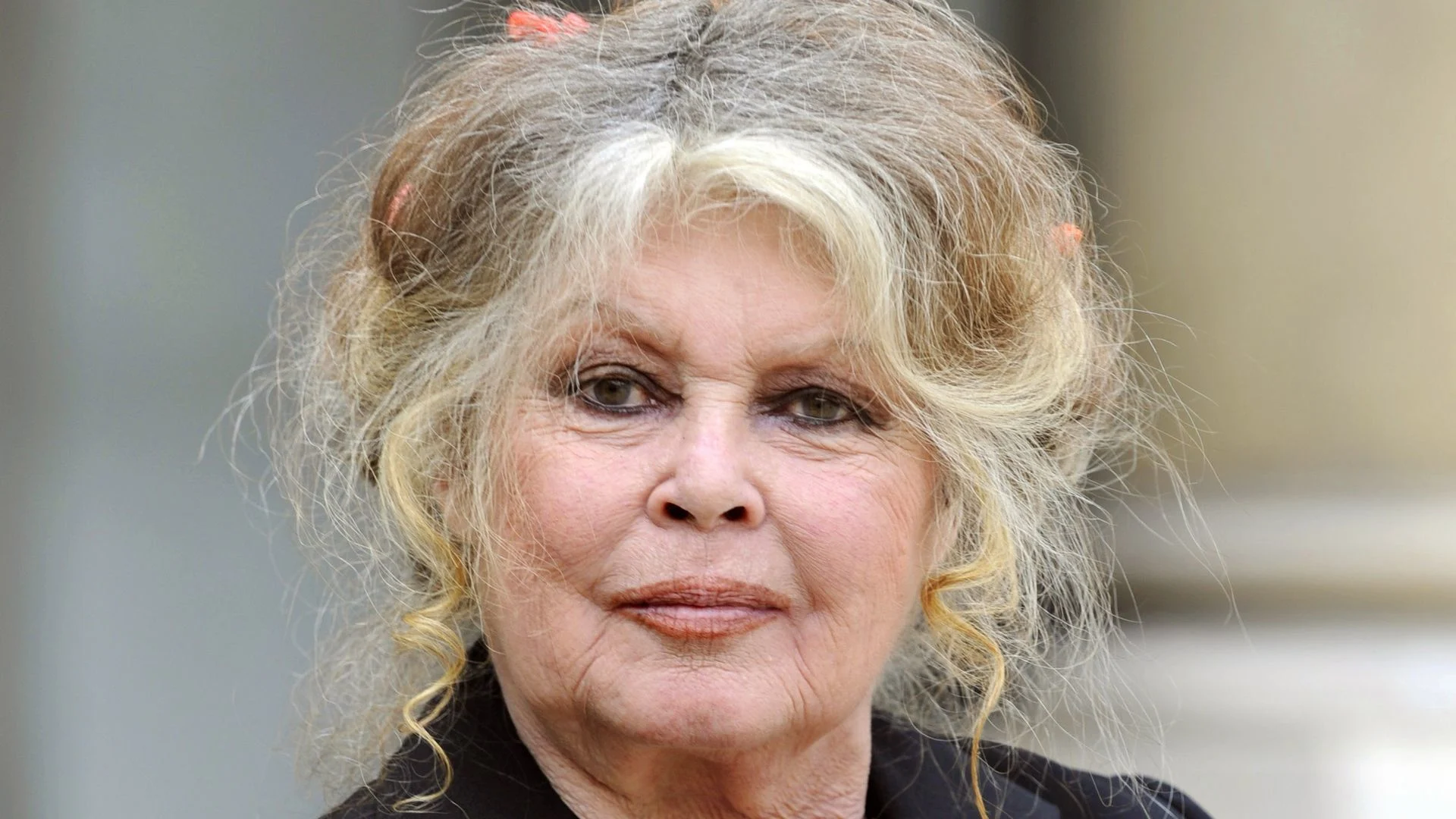
Fez — Brigitte Bardot, one of the most iconic figures in French cinema and a relentless advocate for animal rights, died on Sunday, December 28, 2025, at the age of 91at her beloved home in La Madrague, Saint-Tropez, the Brigitte Bardot Foundation announced.
Born Brigitte Anne-Marie Bardot on September 28, 1934, in Paris, she first captivated the world as a model and ballet student before moving into film.
Her breakout role in “Et Dieu… créa la femme” (“And God Created Woman”) in 1956 turned her into an international symbol of sensuality and cinematic rebellion, firmly establishing “B.B.” as an emblem of cultural transformation in the post-war era. Over the course of her acting career, she appeared in dozens of films and became synonymous with a new era of French and global cinema.
A cinematic force and cultural symbol
Bardot’s early career was marked by audacious performances that challenged the conventions of her time. Her image — tousled hair, smoldering gaze, and effortless charisma — came to define a generation and influence fashion, film, and popular culture at large. At the peak of her stardom, she embodied a liberated, unapologetic femininity that resonated far beyond France’s borders.
Her success on screen also led to her being chosen as a face of Marianne — the national symbol of the French Republic — cementing her place not just as a film star but as a cultural icon.
A life devoted to animals and activism
In 1973, Bardot made the dramatic decision to step away from acting at just 38 years old, choosing instead to focus on animal welfare — a cause that became her lifelong mission. In 1986 she founded the Brigitte Bardot Foundation for the Welfare and Protection of Animals, directing her fame and resources toward campaigns against cruelty, from fur farming and seal hunting to vivisection and the treatment of elephants and other endangered species.
Her tireless advocacy earned admiration from animal rights groups worldwide, though her later years were also marked by controversy due to outspoken political views and multiple convictions in France for inflammatory remarks. Nevertheless, her impact on animal welfare legislation and public awareness was profound.
Final moments and tributes
According to media reports, Bardot spent her final hours at La Madrague in Saint-Tropez, with her husband, Bernard d’Ormale. Tributes from cultural figures, political leaders, and fans have poured in since the announcement of her death, reflecting the deep and varied impressions she left on the world. French President Emmanuel Macron honored her as a “legend of the century,” highlighting her contributions to French culture and her passionate advocacy.
Fans gathered at her former residence, leaving flowers and memories at the site that had become synonymous with her life in later years. Her foundation expressed profound sorrow at the loss of its founder, emphasizing her enduring legacy in the fight for animal rights.
A legacy of light and shadow
Brigitte Bardot’s life spanned dramatic cultural shifts. From international film icon to polarizing public figure and indefatigable animal rights activist, she remained complex, compeling, and fiercely independent until the end. She leaves behind a legacy that continues to influence cinema, advocacy, and the conversation on celebrity responsibility.
Her passing marks the end of an era for French cinema and animal welfare activism, but her impact — both celebrated and debated — will be felt for generations.