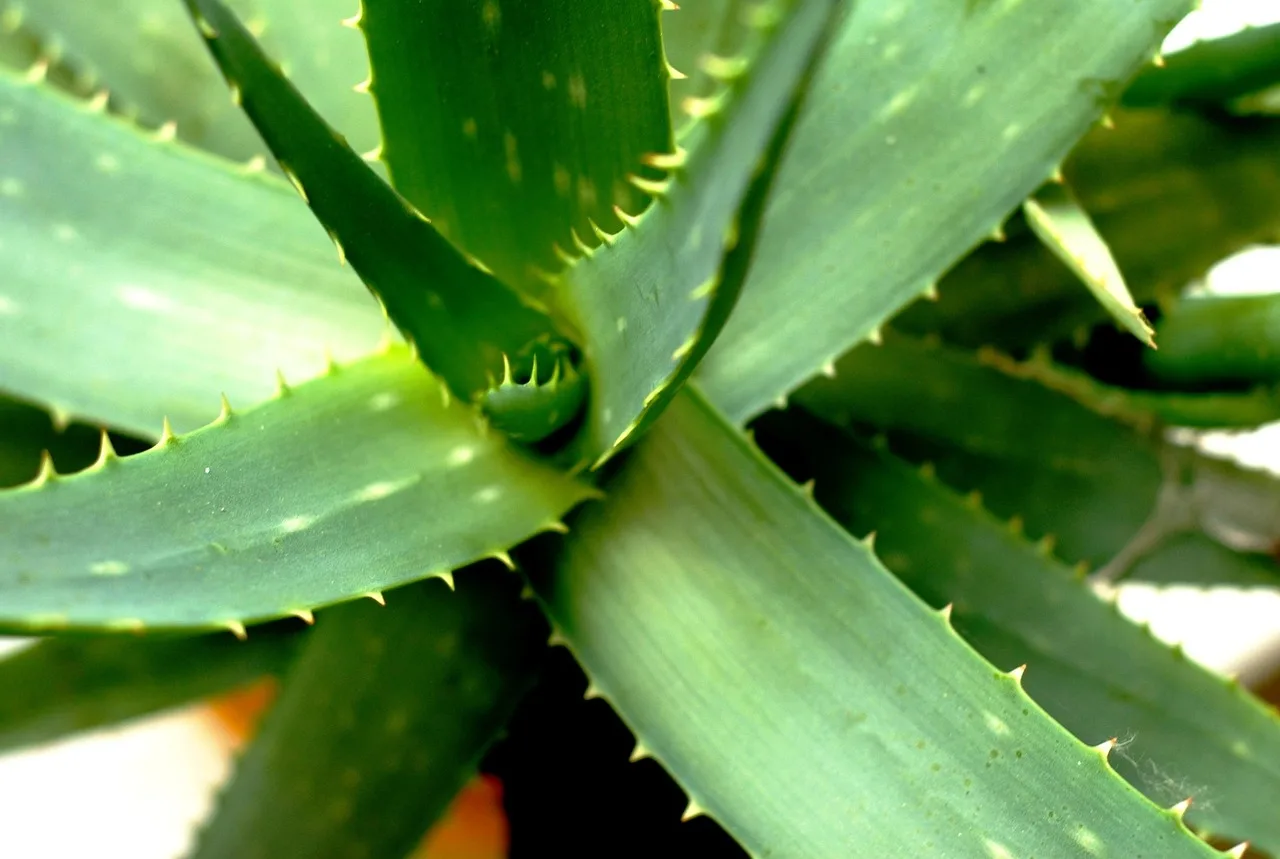
Fez — Aloe vera is one of the most popular plants worldwide, valued for both its resilience and its wide range of practical uses. Known for thriving in dry climates and requiring minimal care, the succulent has also earned a reputation for its soothing gel, commonly used in skincare, haircare, and home remedies.
Growing aloe vera at home is simple, even for beginners, and the plant adapts well to indoor and outdoor environments. With the right conditions, a single plant can live for years and produce multiple offshoots, making it a sustainable addition to any home.
How to grow aloe vera successfully
Aloe vera grows best in bright, indirect sunlight. While it tolerates full sun, too much direct exposure can scorch its leaves, especially in hot climates. Indoors, placing the plant near a sunny window is usually enough.
The plant prefers well-draining soil, ideally a cactus or succulent mix. Good drainage is essential, as aloe vera does not tolerate standing water. Pots should always have drainage holes to prevent root rot.
Watering should be minimal. Aloe vera stores water in its thick leaves, so overwatering is the most common mistake. During warmer months, watering every two to three weeks is usually sufficient, while in winter, watering can be reduced further.
Aloe vera also benefits from warm temperatures and does not tolerate frost. In colder regions, it is best grown indoors or brought inside during winter.
Why aloe vera is good for everyday use
The clear gel inside aloe vera leaves contains compounds known for their soothing and moisturizing properties. Many people use fresh aloe gel to calm minor burns, sunburn, and skin irritation. Its cooling effect makes it especially popular during summer months.
Aloe vera is also commonly used in haircare. Applied to the scalp, the gel can help reduce dryness and leave hair feeling softer and more hydrated. Some people also use it as a natural conditioner or hair mask.
Beyond cosmetic use, aloe vera has long been associated with digestive support when processed safely and used in regulated products. It is widely included in juices, supplements, and wellness items, though experts advise moderation and proper preparation.
A plant that fits modern lifestyles
Part of aloe vera’s appeal lies in its simplicity. It requires little space, minimal water, and limited attention, making it ideal for urban homes and busy routines. Its ability to reproduce through offshoots also allows growers to share plants easily.
From balconies to kitchen windowsills, aloe vera continues to bridge the gap between decoration and utility. Its presence reflects a growing interest in natural solutions and self-sufficient living.