Fez — An exhibition dedicated to fine craftsmanship celebrating Morocco’s deep-rooted artistic ties with Africa opened Monday in some of the most emblematic spaces of the medina of Fez.
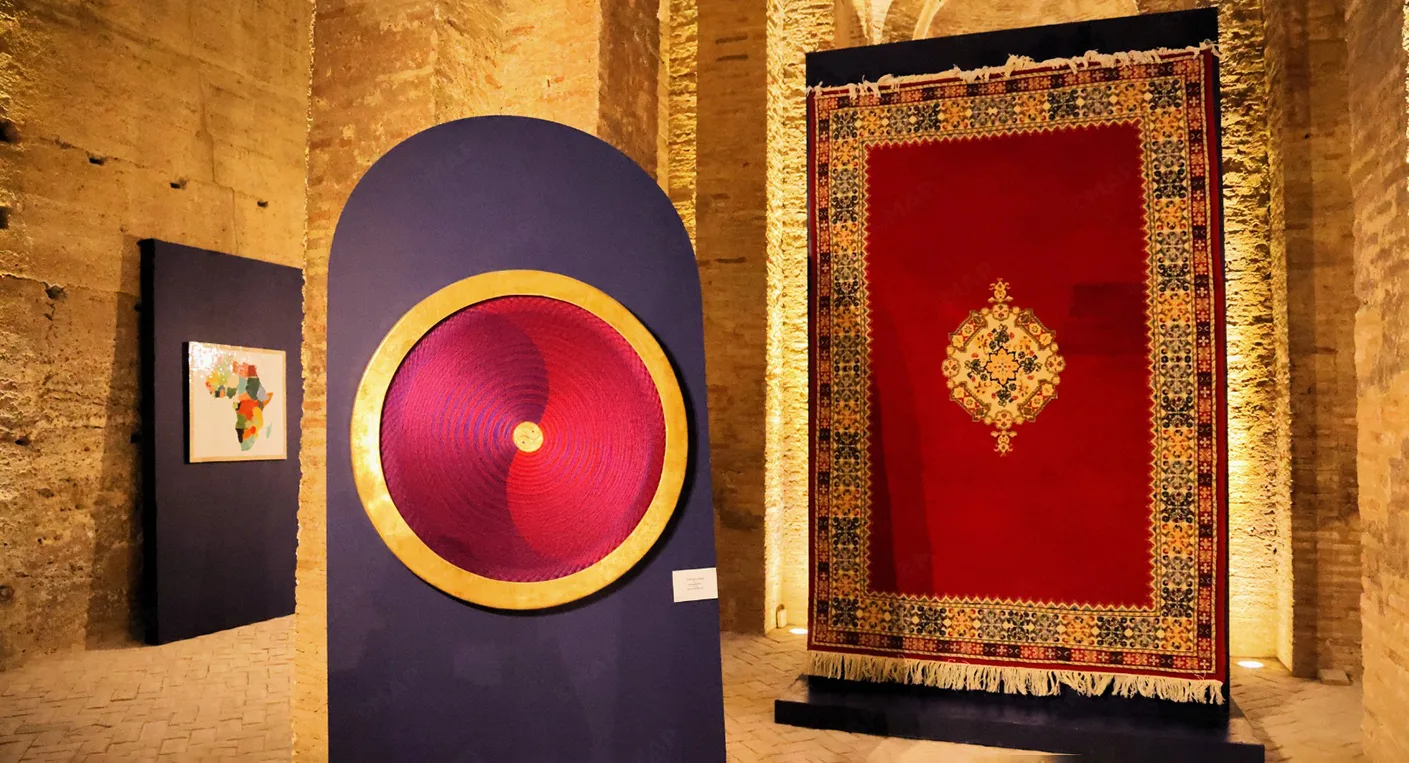
Titled “Confluence: Gestures and Shared Heritages,” the event is hosted at Hri Boutouil, which houses the main artisan exhibition, and at Souk Semmarine, where a caftan fashion show showcased the vitality of Moroccan artisanal creativity.
The initiative is part of the 9th National Handicrafts Week, and coincides with the Africa Cup of Nations hosted in several cities across Morocco, including Fez.
Craft as a living geography
The exhibition presents craftsmanship as a living geography shaped by caravan routes, trans-Saharan exchanges, and techniques passed down through generations. It traces artistic continuities linking Morocco’s historic cities with major African cultural centers, framing craftsmanship as a space of encounter that transcends borders.
Structured around materials such as metal, leather, wood, clay, and textiles, the exhibition highlights correspondences in form, technique, and symbolism while preserving regional specificity. The result is a narrative that reveals shared heritages and a dialogue between tradition and contemporary creation.
Strengthening African cultural ties
Speaking to Maghreb Arab Press, Abderrahim Belkhayat, regional director of handicrafts, said the initiative aims to further promote Moroccan craftsmanship through cultural programming and engagement, with the participation of artisans and stakeholders from across the African continent.
He added that the program includes exhibitions hosted in Fez’s main fan zone and other landmark locations, alongside a caftan fashion show held at Souk Semmarine. The event follows the recent recognition of the Moroccan caftan as UNESCO intangible cultural heritage of humanity, giving the presentation added symbolic weight.
Echoes of shared traditions
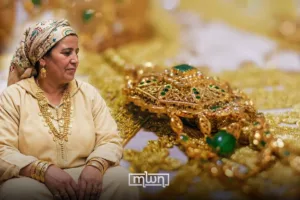
For Moumina El Khayati, curator of the exhibition, “Confluence” was designed to allow both Moroccan and international visitors to recognize elements of their own traditions within Moroccan craftsmanship. She noted that the exhibition goes beyond the caftan to include everyday objects, traditional jewelry, and musical instruments, illustrating long-standing African cultural resonances.
Moad Kebdâni, representing the “Maison de l’Artisan,” said the initiative seeks to strengthen African cultural links while introducing international visitors and media to Morocco’s rich heritage and creative resources. He added that the exhibition also features a thematic salon dedicated to materials, showcasing innovative pieces born from collaborations between designers and traditional artisans.
Artisans at the heart of Fez’s identity
Among the participants, Driss Sakhi, a master coppersmith known in Fez as “Aâmi Driss,” expressed pride in exhibiting his work inside a historic monument of the medina. He stressed that the displayed pieces are entirely handcrafted using traditional methods, without machines, reflecting the living transmission of know-how and the central role of craftsmanship in Fez’s cultural identity.
The caftan fashion show at Souk Semmarine stood out as a highlight of the event, revealing the capacity of Moroccan clothing craftsmanship to innovate while remaining faithful to tradition. Through renewed cuts, materials, and embroidery, Moroccan designers reinterpreted the caftan with contemporary flair, preserving the spirit and aesthetic codes of one of the Kingdom’s most emblematic garments.
As a meeting point between memory, material, and movement, the exhibition positions Fez as a champion of African artistic dialogue and a living testament to shared African heritage.