Fez — Holiday celebrations often come with rich food, sugary desserts, and disrupted sleep routines. While celebration is part of the season, many people feel sluggish, bloated, or low on energy afterward.
Detoxing does not require drastic diets or quick fixes. The most effective approach focuses on restoring healthy habits and supporting the body’s natural detox systems.
Start with hydration and digestion
Water is the first step in any post-holiday reset. Increased salt, sugar, and particularly alcohol intake can lead to dehydration. Drinking enough water helps the liver and kidneys eliminate waste more efficiently.
Warm liquids also support digestion. Herbal teas, such as mint, ginger, or chamomile, can soothe the stomach and reduce bloating. Starting the day with warm water and lemon may stimulate digestion, though its effect remains gentle rather than miraculous.
Rebalance meals with whole foods
After indulgent eating, the goal is balance, not punishment. Focus on simple meals built around vegetables, fruits, legumes, and whole grains. These foods provide fiber, which supports digestion and helps stabilize blood sugar levels.
Lean proteins such as fish, eggs, or legumes help repair tissues and maintain energy. Healthy fats from olive oil, nuts, and seeds support satiety without overwhelming digestion. Reducing ultra-processed foods for a few days allows the body to recover naturally.
Support the liver naturally
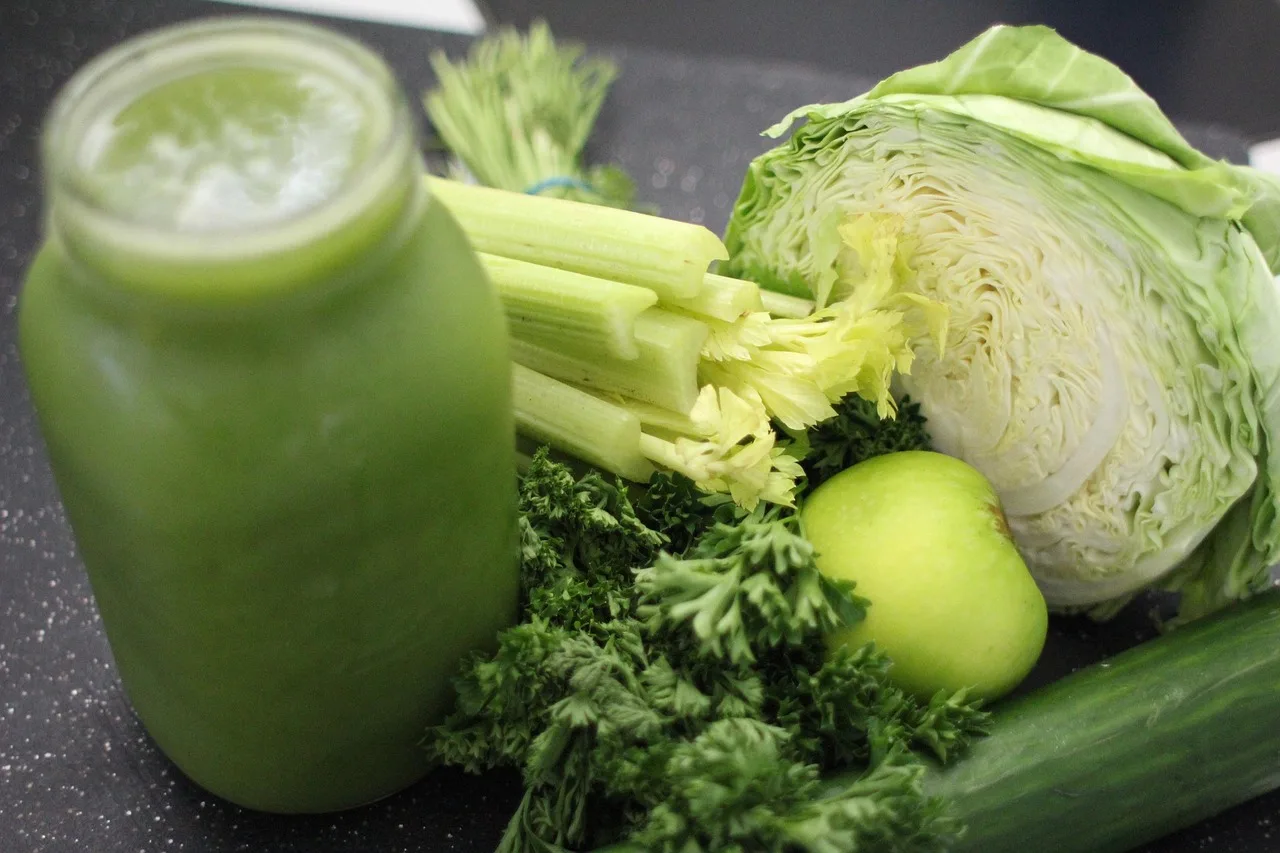
The liver plays a central role in detoxification. Rather than relying on supplements, support it through food. Leafy greens, cruciferous vegetables, garlic, and onions are known to support liver function.
Limiting unhealthy food and drinks for several days is essential. Even short breaks can improve sleep quality, digestion, and energy levels. Adequate sleep also allows the liver to perform its functions more effectively.
Move gently to restore energy
Physical activity supports circulation and lymphatic drainage. After holiday fatigue, gentle movement works best. Walking, stretching, yoga, or light swimming help reduce stiffness and improve mood.
There is no need for intense workouts immediately. Consistency matters more than intensity. Even short daily movement sessions help the body reset.
Reset routines and sleep patterns
Late nights and irregular schedules often disrupt sleep during the holidays. Returning to regular sleep hours is a powerful form of detox. Quality sleep regulates hormones linked to appetite, stress, and immunity.
Reducing screen time before bed and avoiding heavy meals late at night can improve sleep quality within days. A calm evening routine helps signal the body that it is time to rest.
Avoid extreme detox trends
Juice cleanses, restrictive fasting, and detox supplements often promise fast results. These methods can stress the body and lead to nutrient deficiencies. The human body already detoxifies itself effectively when supported properly.
Sustainable habits work better than short-term extremes. Listening to hunger cues and focusing on nourishment leads to lasting results.
A reset, not a punishment
Post-holiday detoxing should feel restorative, not restrictive. The aim is to return to balance, not to compensate for celebration. Small, consistent changes rebuild energy and well-being.
By focusing on hydration, whole foods, gentle movement, and rest, the body naturally recovers. This approach supports long-term health and makes future celebrations easier to enjoy.