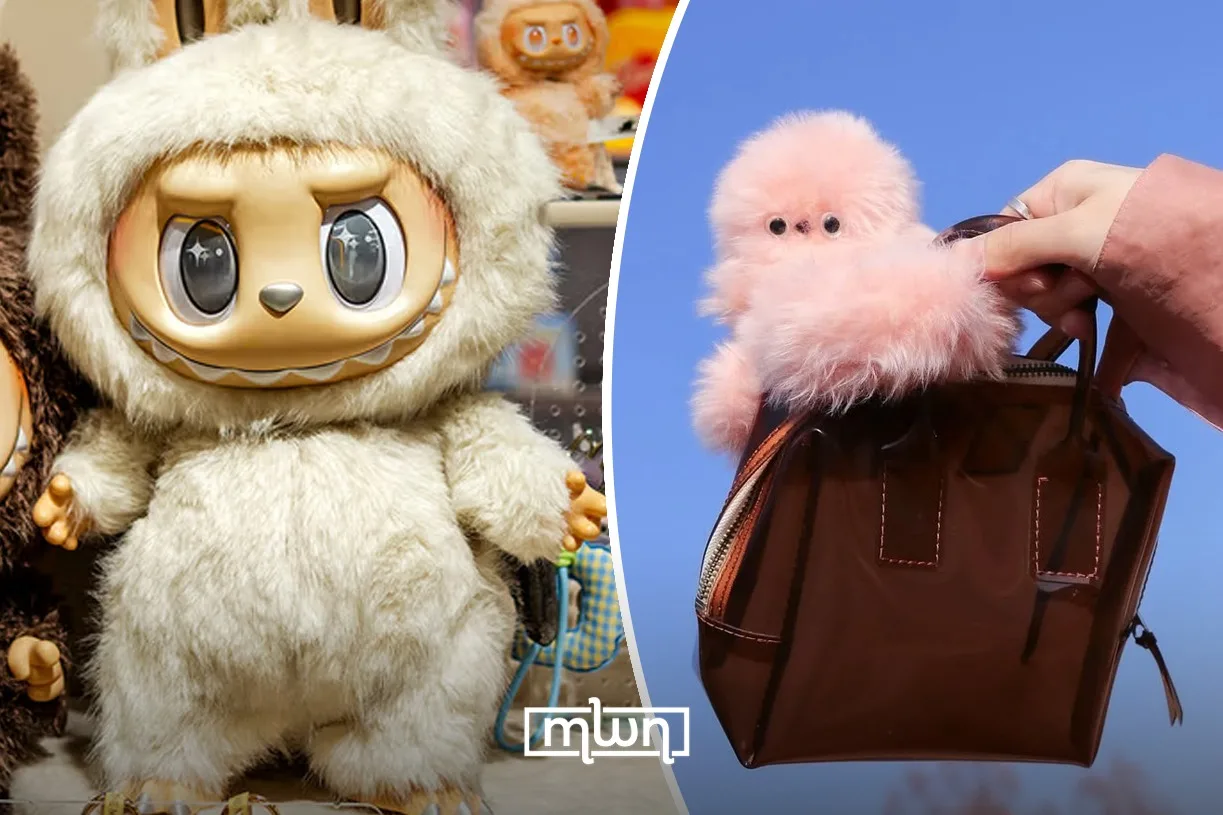
Marrakech – If 2025 was defined by the frenzy for Labubu dolls, that quirky blind-box phenomenon that dominated social feeds and fashion accessories alike, then 2026 appears poised for a different kind of cultural darling: Mirumi.
At first glance, Mirumi might seem like a fluffy charm character you clip to a backpack or handbag. But look closer, and you’ll see something more dynamic: a small, interactive robot that behaves almost as if it’s alive.
Mirumi isn’t built to vacuum your floor or respond to voice commands, it’s designed to spark connection through subtle motion and personality.
Instead of screens or apps, it uses motion and proximity sensors to respond to its surroundings.
It gently tilts its head, reaches out with its soft, sloth-like arms, and shows curious or shy behaviors that feel organic rather than mechanical.
Mirumi first captured attention during tech expos, where it was showcased not merely as a gadget but as an emotional companion.
Early pre-orders sold out quickly, with collectors and enthusiasts eager to secure their own Mirumi in pastel hues like pink, beige, and grey.
Priced much higher than traditional accessories, (we are talking a $70 – $120 price tag) Mirumi is positioned as more than a novelty toy: it’s a lifestyle purchase that blends art, technology, and emotional design.
Unlike static collectibles, Mirumi’s appeal stems from interaction and emotional resonance.
Its gentle movements, a shy head tilt, a curious gaze, or a momentary reaction to touch or sound, create small moments of delight throughout the day.
In a time when screen fatigue is real and tactile experiences feel rarer than ever, this blend of soft design and mechanical responsiveness taps into a craving for genuine connection, even in small, everyday encounters.
Social media users have already embraced it, sparking memes, affectionate commentary, and viral clips that highlight its almost lifelike demeanor.
Labubu dolls became iconic largely due to blind-box scarcity and collector culture, where part of the thrill was not knowing which character you’d get.
Mirumi, by contrast, isn’t about mystery or rarity, it’s about presence and emotional design. The robot’s gestures and interactions invite connection, not just display. Instead of sitting quietly on a shelf, it participates in everyday life.
In that way, Mirumi may represent a broader trend toward “emotional tech,” objects designed not for productivity or pure entertainment, but to evoke feelings of comfort, curiosity, and shared joy.