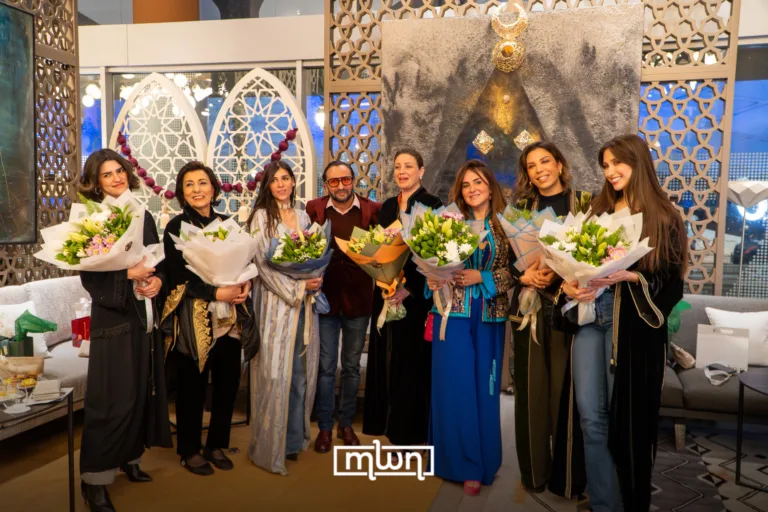
Fez — The opening of “Dalí Diali – The Fabric of the Dream” at the Oudayas National Museum of Adornment was marked not only by visual spectacle, but by deeply personal reflections from those behind the project.
Speaking to Morocco World News, Moroccan designer Zhor Raïs and museum foundation president Mehdi Qotbi described the exhibition as a collective achievement rooted in craftsmanship, imagination, and national cultural vision.
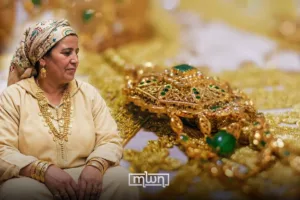
Raïs, visibly moved at the opening, described the exhibition as both a professional milestone and an emotional culmination. “I’m truly delighted to be here in this magnificent museum to present an exhibition celebrating 40 years of my career,” she told MWN. “Honestly, I couldn’t imagine a better place to showcase these works.”
From Dalí to Moroccan artisans
Raïs explained that the project began far from Rabat, during a visit to a Dalí exhibition abroad. “The story began with Dalí, at a market in Jeddah,” she recalled. “I visited his exhibition and was captivated by the atmosphere—the sculptures and the artworks really inspired me.”

That moment sparked a question that would shape the entire project. “I thought, why not us? Why not bring our traditional artisans and art craftsmen into a space where we can honor creativity in their own way?” she said.
Rather than altering traditional forms, Raïs said she chose to preserve them. “We retained the caftan, the gandoura, and the jelaba, allowing artisans to express themselves freely through embroidery and style,” she explained. Drawing a parallel with the surrealist master Salvador Dalí, she added: “It is said that Dalí sleeps and dreams of his sculptures—similarly, our artisans sleep, dream, and create these masterpieces.”
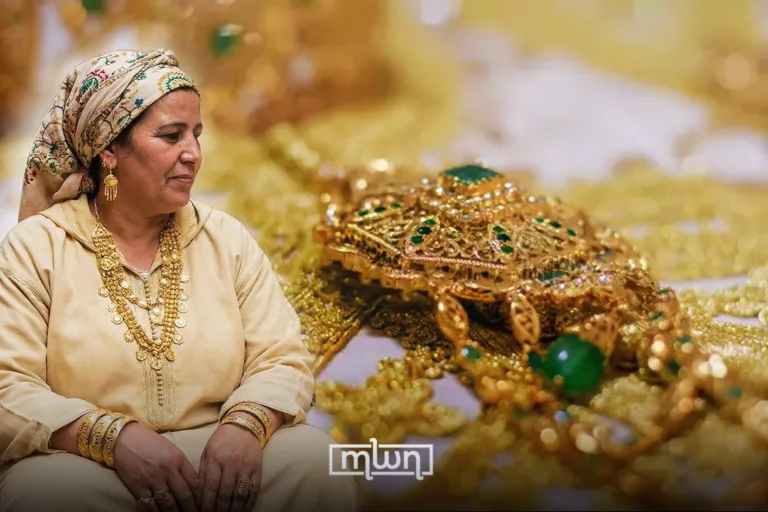
Raïs was keen to redirect praise away from herself. “My role was simply to present their work; all the praise truly belongs to the artisans,” she said. “Their hands, their craft, that is what deserves the most recognition.”
She also highlighted the symbolic timing of the exhibition. “I’m very happy because this exhibition coincides with the recognition of the caftan by UNESCO and celebrates 40 years of my career,” she noted. “I couldn’t have asked for anything better.”
Museums, recognition, and national vision
For Mehdi Qotbi, president of the National Foundation of Museums, the exhibition represents more than a fashion-art crossover. “It is a joy today to host this beautiful exhibition, a kind of hymn to joy,” he told MWN, “as it brings together music, sculpture, and the tradition of the Moroccan caftan.”
Qotbi linked the event to Morocco’s growing international cultural visibility. “We are also here to celebrate the international recognition of the Moroccan caftan world,” he said, adding that the moment resonates strongly as Morocco prepares to host major continental events.
He emphasized the role of museums in shaping visitors’ impressions of the country. “Those who are visiting today are clearly impressed by the warm welcome they have received, by the quality of the organization, and by the way Morocco’s museums truly honor this country,” he said.
Qotbi concluded by placing the exhibition within a broader national framework. He expressed gratitude to King Mohammed VI “for having endowed this country with museums and for placing culture at the heart of a deeper understanding of our nation and its heritage.”
Through their words, the speakers framed “Dalí Diali – The Fabric of the Dream” not simply as an exhibition, but as a statement about Moroccan creativity—one that connects artisans, institutions, and imagination across generations and borders.