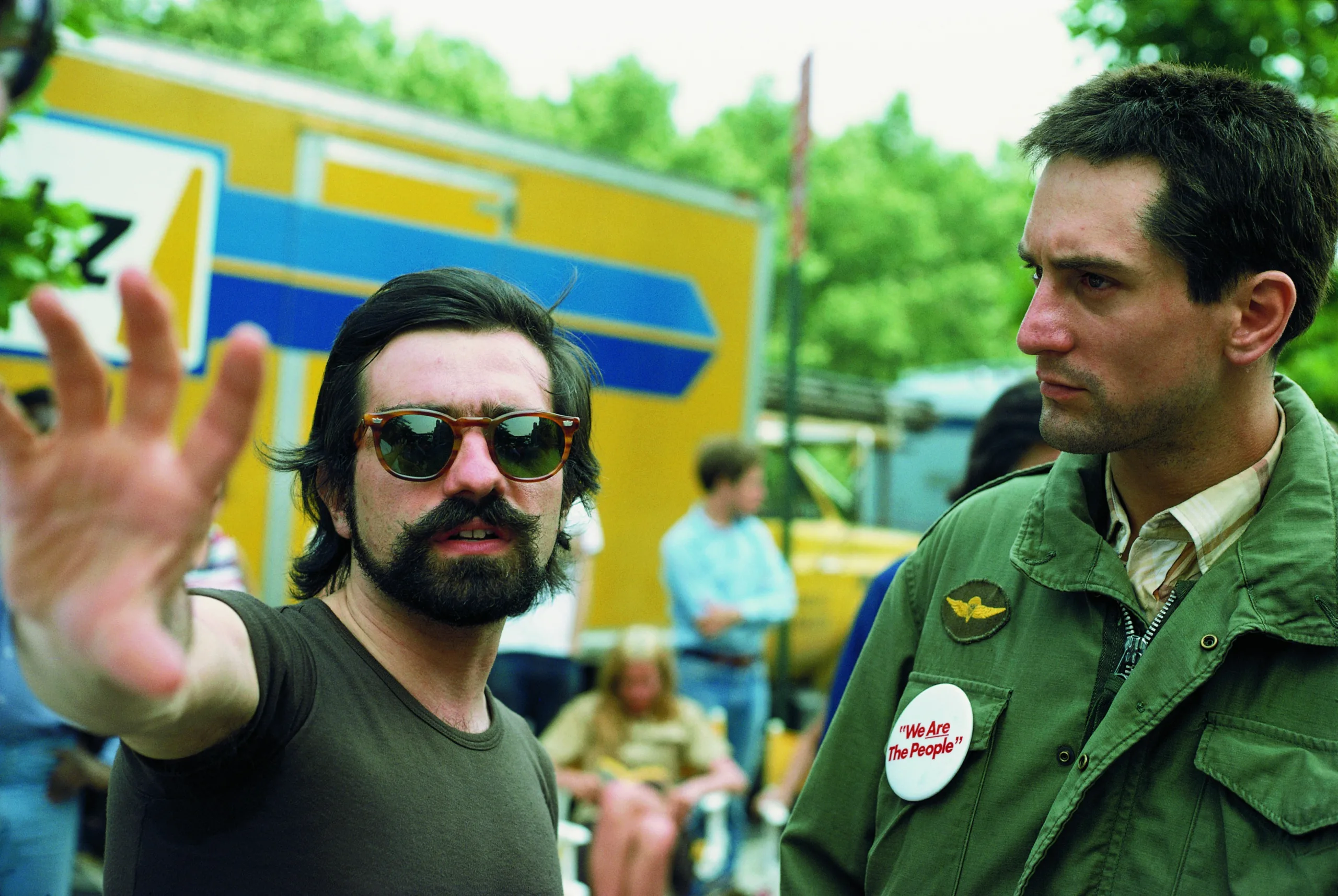
Fez — Released in 1976, “Taxi Driver” stands as a defining work of New Hollywood cinema, capturing the psychological unease of post-Vietnam America through the eyes of a deeply isolated man.
Directed by Martin Scorsese and written by Paul Schrader, the film remains a reference point for filmmakers and critics exploring urban alienation and moral ambiguity.
Set in a decaying 1970s New York City, the story follows Travis Bickle, a troubled Vietnam War veteran played by Robert De Niro.
Insomniac and emotionally disconnected, Travis works as a nighttime taxi driver, drifting through the city’s underbelly while growing increasingly consumed by disgust, paranoia, and violent fantasies.
A character shaped by isolation
Travis Bickle is not presented as a traditional hero or villain. Instead, the film places viewers inside his fractured inner world, using voiceover narration to expose his loneliness and warped sense of justice. His obsession with “cleaning up” the city reflects both personal despair and a broader social breakdown, making him a symbol of alienation rather than a single disturbed individual.
De Niro’s performance—marked by restraint, menace, and vulnerability—has become one of the most studied in film history. His improvised mirror monologue, “You talkin’ to me?”, entered popular culture as a shorthand for simmering rage and self-confrontation.
Scorsese’s New York as a character
Scorsese’s vision of New York is claustrophobic and nightmarish. Shot through rain-streaked windshields and neon-lit streets, the city feels oppressive and morally exhausted.
Cinematographer Michael Chapman’s work, paired with Bernard Herrmann’s haunting jazz-infused score, creates a mood that oscillates between seduction and dread.
The film’s refusal to offer moral clarity was controversial at the time of its release. Yet that ambiguity is precisely what gives “Taxi Driver” its enduring power.
The ending, often debated, leaves viewers questioning whether Travis is redeemed, delusional, or simply absorbed by the very violence he sought to erase.
Lasting impact and legacy
“Taxi Driver” won the Palme d’Or at the Cannes Film Festival and has since been canonized as one of the greatest films ever made. Its influence can be traced across decades of cinema, from psychological thrillers to character-driven dramas that examine masculinity, trauma, and social decay.