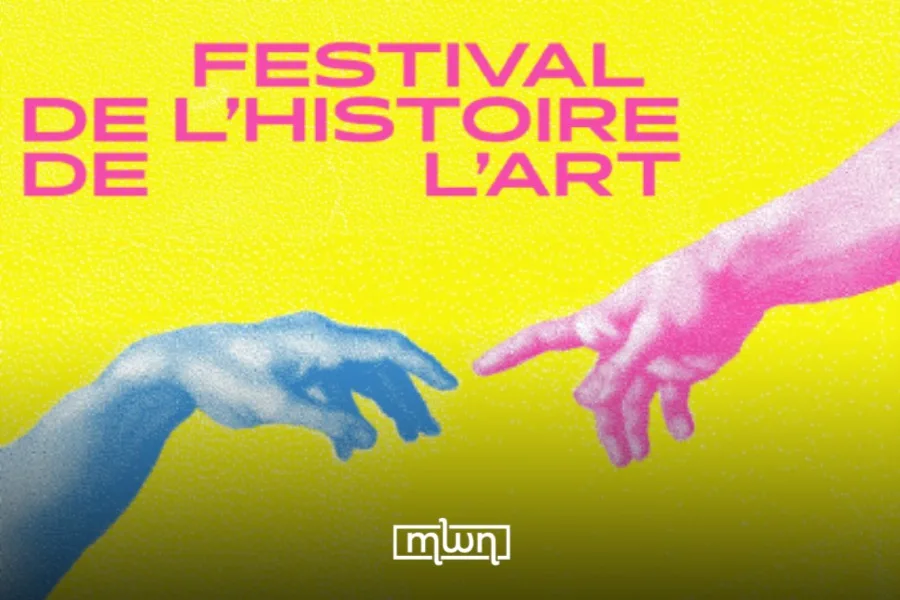
Fez — Morocco will be the guest of honor at the 15th edition of France’s “Festival of Art History,” scheduled to take place from June 5 to 7 in the historic town of Fontainebleau near Paris.
Organizers announced that this year’s festival will be devoted to Morocco and fashion, framing the country as a key lens through which to explore major episodes of Western art history for audiences of all ages.
The program brings together archaeology, cinema, visual arts, craftsmanship, and intellectual exchange, showcasing Morocco’s enduring role in artistic circulation across the Mediterranean.
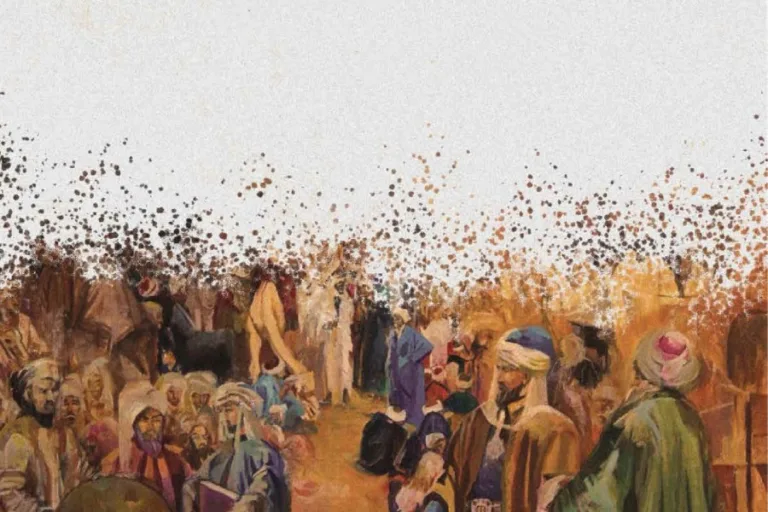
A central narrative thread revisits the journey of French painter Eugène Delacroix, whose travels in Morocco profoundly shaped European Orientalist art.
Through a musical storytelling performance, two narrators will recount Delacroix’s Moroccan itinerary — from Tangier to Meknes — combining humor and emotion with live guitar and lotar accompaniment.
Archaeology and the roots of an empire
True to its scholarly mission, the festival will also foreground archaeology with a special presentation on the site of Igiliz in southern Morocco. Research at the site has reshaped understanding of the origins of the Almohad Empire, which ruled large parts of the Maghreb and Al-Andalus between the 12th and 13th centuries.
According to the festival’s organizers, the discovery of Igiliz launched an unprecedented Franco-Moroccan research program that has trained a new generation of archaeologists. The invited scientific team will present findings that shed light not only on the birth of an empire, but also on the cultural and religious dynamics of a long-overlooked pre-Saharan society.
Contemporary voices bridging tradition and creation
The living relationship between heritage and contemporary creation will feature prominently through Moroccan figures whose work navigates art, architecture, and anthropology. Artist Amina Agueznay and architect Salima Naji have been invited as emblematic voices of this dialogue.
Agueznay will reflect on the legacy of the Casablanca Art School and discuss her Venice project, “Asetta – the weaving,” which explores how Moroccan heritage resonates within contemporary artistic practices. Naji, meanwhile, will share insights from two decades of architectural work rooted in Morocco’s oases and High Atlas regions, where social, ecological, and cultural concerns intersect.
Cinema and fashion across the Mediterranean
Cinema will form another major pillar of the festival, with Moroccan filmmakers Nabil Ayouch and Maryam Touzani named as the principal guests of the film program. Screenings and discussions will center on Ayouch’s “Casablanca Beats” and Touzani’s “The Blue Caftan,” both of which connect artistic expression with questions of youth, craftsmanship, and social change.
Fashion history will also be examined through roundtables tracing its evolution on both sides of the Mediterranean, with a focus on production conditions, circulation, and inherited savoir-faire.
Held annually at the Château de Fontainebleau, the Festival of Art History brings together specialists, students, and the public for more than 200 events, ranging from lectures and exhibitions to workshops and concerts.
This Morocco-focused edition shows the country’s growing visibility in international cultural discourse and its role as a bridge between artistic traditions and contemporary creativity.