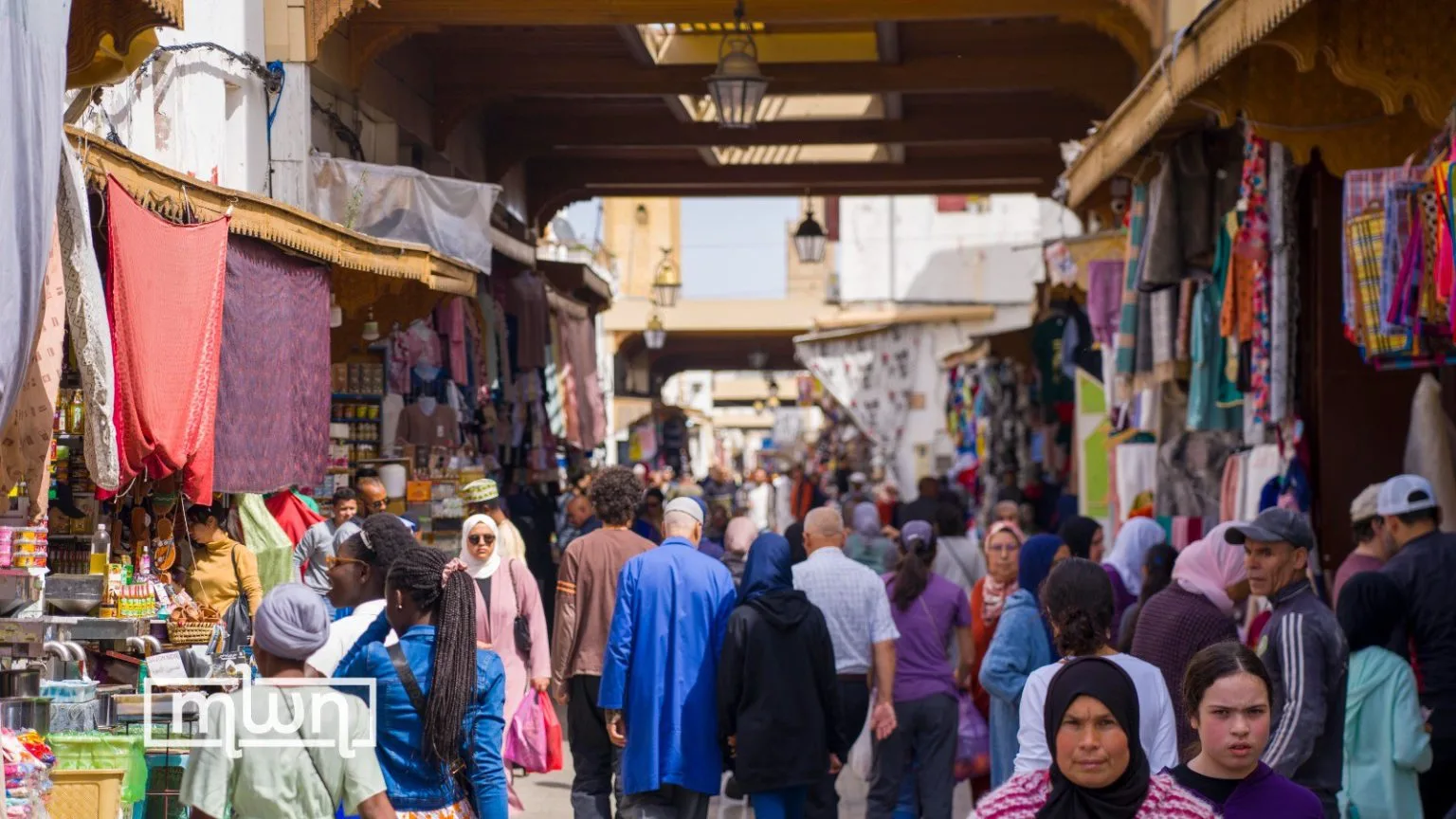
Rabat – In Morocco, Ramadan is a collective heartbeat. As the anticipated start of Ramadan 2026 approaches, the country begins to shift in a thousand small and meaningful ways.
Long before the first fast, there is a kind of electric anticipation in the air.
In energetic souks and quiet neighborhoods alike, preparations unfold with both joy and careful planning, blending spiritual readiness, community care, and culinary tradition into one beautifully lived experience.
One of the earliest signs that Ramadan is near is the flurry of activity around mosques.
Morocco’s Ministry of Endowments and Islamic Affairs launches large-scale efforts to prepare prayer spaces across the country.
Across hundreds of sites, new carpets are laid, cleaning equipment is brought in, and general renovations are rushed toward completion.
Special attention is given to comfort and accessibility, from solar-powered water heaters to reliable water and electricity supplies, ensuring worshippers can focus on prayer in calm, welcoming spaces.
For many Moroccans, the mosque is the heart of community life.
During Ramadan, it becomes a nightly gathering place for Taraweeh prayers and a space where people meet old friends, lend a helping hand, and seek spiritual renewal.
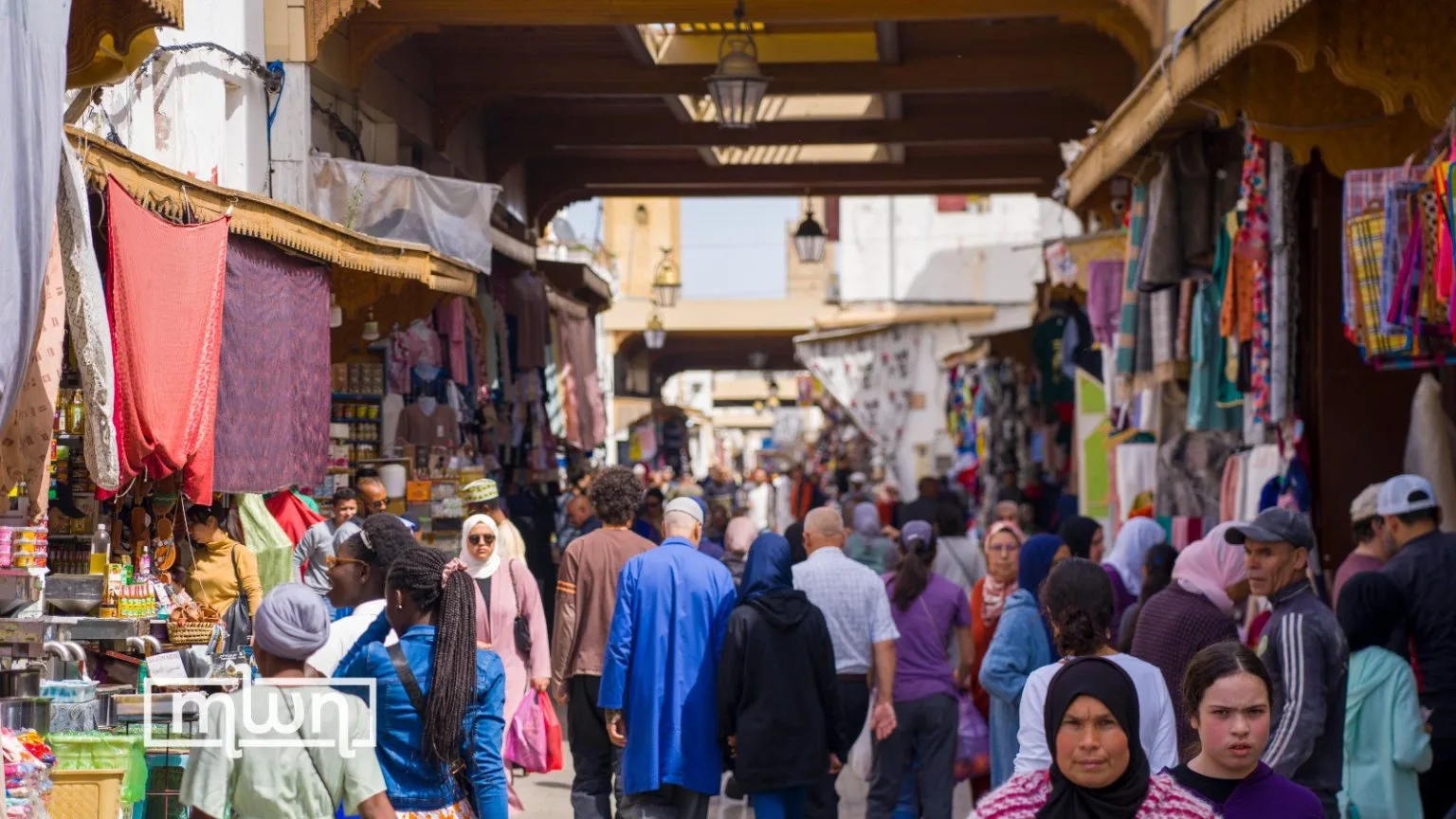
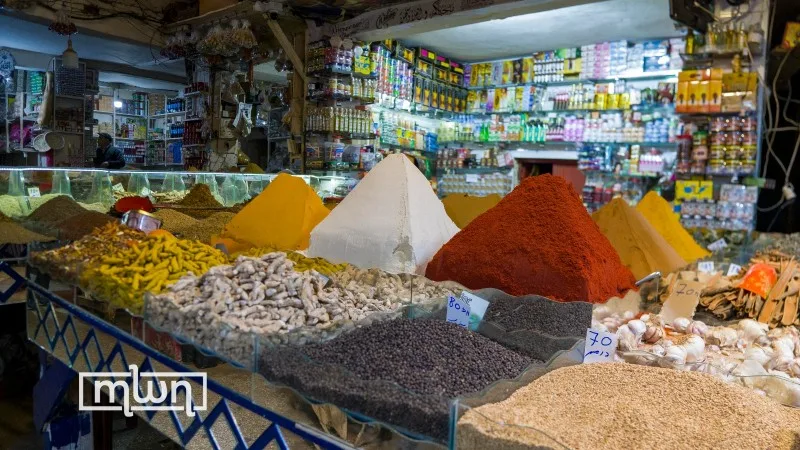
Vendors of dates, spices, nuts, olive oil, and aromatic herbs see their crates emptied and refilled again as families stock up for the month ahead. The preparatory shopping is in fact celebratory.
And then there are the sweets.
In bakeries and kitchens, chebakia is made in huge batches. This sweet treat, a Ramadan staple, is as much a cultural symbol as it is a dessert.
Other favorites like sellou (a nutty, roasted flour mixture packed with energy), briouats (stuffed sweet or savory pastries), and breads like baghrir and msemen join the feast of smells that fill Moroccan streets before sunset.
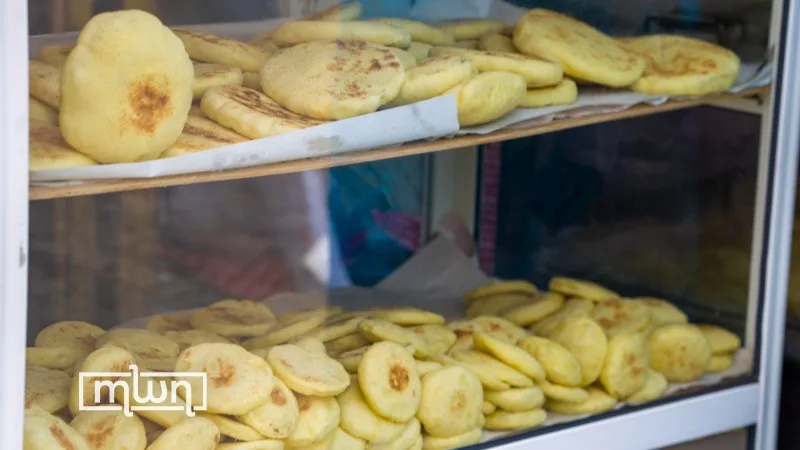
As each fasting day begins before dawn (with suhoor, the pre-fast meal), Moroccan families gather to eat dates, yogurt, egg dishes, and flatbreads, choosing foods that will help sustain them through the day.
Between work, school, and everyday life, there’s a palpable sense of slowing down; daytime hours feel quieter, more reflective.
Then comes iftar, the moment everyone waits for.
Just after sunset, fasts are broken with dates and milk, following a tradition rooted in centuries-old practice, and then a steaming bowl of harira soup, rich with lentils, tomatoes, chickpeas, and herbs, a Moroccan signature of Ramadan evenings.
Even after the last spoonful is enjoyed, the night is far from over.
Streets light up. Families stroll through medinas. Stalls stay open late into the night as conversations and laughter carry through alleyways and plazas.
Ramadan also alters the rhythm of daily life on a broader scale. Schools and businesses adopt new hours suited to fasting, for example, government offices may operate on a different schedule to accommodate prayer and rest.
But these changes don’t dampen the spirit; they reinforce the feeling that this month belongs to everyone.
Children, whether they are fasting or not, soak up a festive mood, excited by late evenings, special foods, and family gatherings.
Neighbors share dishes, and charities distribute food so that everyone, regardless of means, can enjoy a proper iftar.
Ramadan in Morocco is a time where markets hum, mosques glow at night, and the aroma of traditional dishes drifts through alleyways and homes alike.
Its a slow, purposeful, heartfelt season, where the soul and society move together.