Rabat – As Idarati X.0 moves closer to launching a national digital wallet connected to Morocco’s electronic ID cards, everyday life could soon look different.
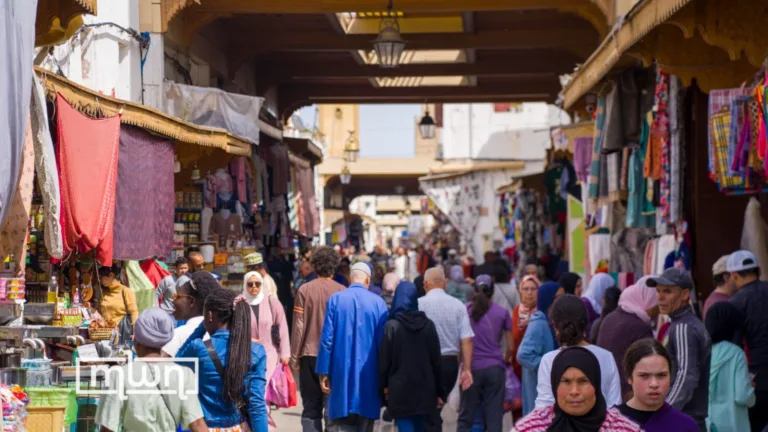
Imagine you’re walking through Medina and you spot something you like. A bit of friendly haggling later, you finally agree on a price.
Then comes the familiar ritual, digging through your wallet or coat pockets, sorting through coins, counting dirhams one by one while the vendor waits patiently.
Suddenly, a few coins slip from your hand and scatter across the ground.
Sound familiar?
With the rollout of Idarati X.0’s digital wallet, those small but frustrating moments may soon be a thing of the past.
Inside Idarati X.0
Morocco recently signed 8 agreements with government departments and private sectors to include the launch of a national digital wallet.
The mission is to operate with the electronic national identity card issued by the General Directorate of National Security (DGSN).
The digital wallet will be implemented on the new digital platform, Idarati X.0, building on the existing platform Idarati.
What could our daily life look like in future?
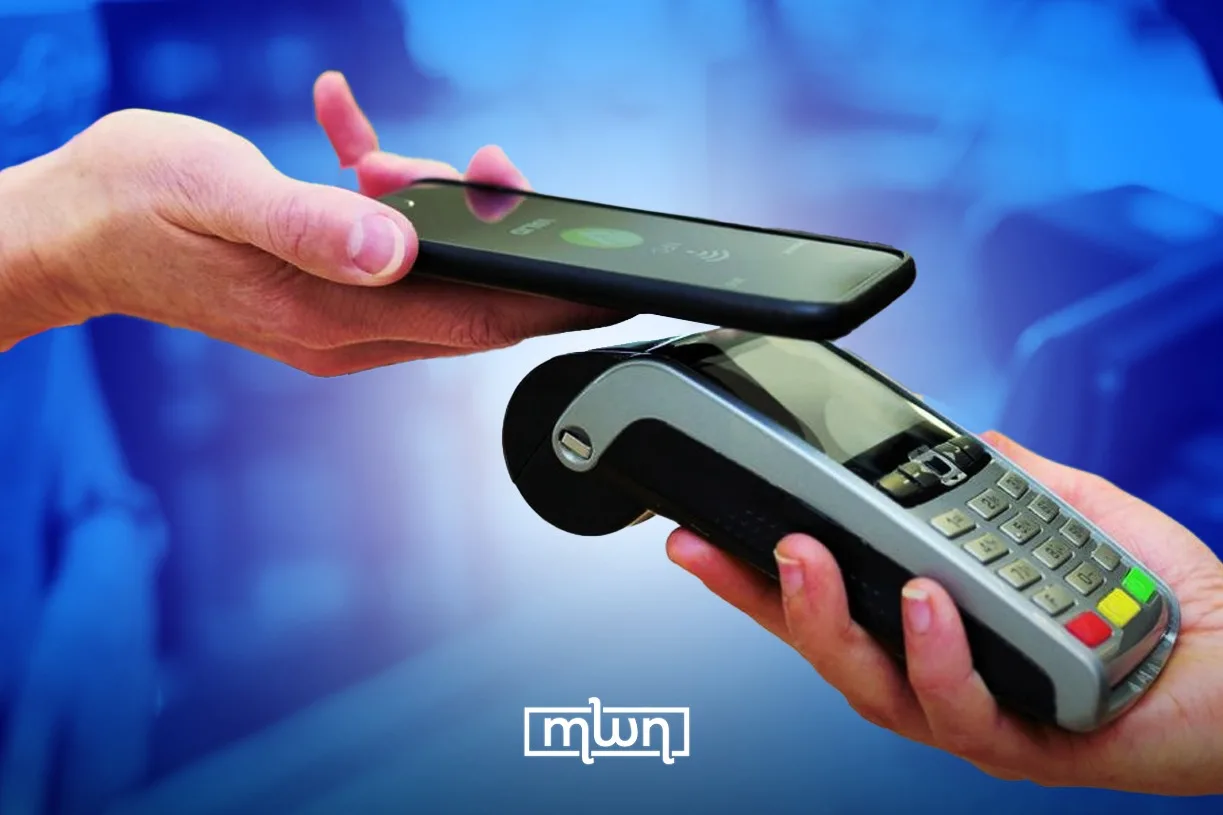
In the near future, paying in Medina could take just seconds. Instead of searching for loose coins, you simply tap your phone and the transaction is complete. The street vendor receives the money instantly. No cash, no counting, no delay.
A student can pay their tuition fees without visiting a bank or standing in line for hours.
Gradually, small habits may begin to change. People may carry less cash. Government services could become faster and more direct. Subsidies or social support might arrive in a digital wallet instead of paperwork.
For younger generations, this could feel natural. For older citizens, it may take time to adjust. But over time, daily life could become easier and more convenient.
Let’s time travel to Kenya
Kenya offers one example of how daily habits can shift when payments move to phones in Africa.
When Kenya introduced M-Pesa, it didn’t just transform the way people paid, it reshaped everyday life.
A son in Nairobi could send money to his mother in a rural village in seconds, no bank visits required. What once took hours, even days, became a simple transfer done between two text messages.
Transactions became faster, lighter, even safer. For many small businesses, digital payments created a record of income, which in turn made it easier to grow their work.
In rural communities, where formal banking infrastructure had long been limited, digital wallets opened new opportunities. People who had never held a bank card suddenly had access to savings tools, bill payments, and even small-scale credit, all digitally, through a basic phone.
At the same time, cash did not disappear overnight, but daily routines began to revolve around the phone more.
Kenya’s experience shows how daily life will change when digital wallets become widespread.
Can you imagine Morocco benefiting from that?
Challenges of digitalization
However, every digital shift can cause fear or change, which in turn makes people wonder.
Will elders feel comfortable with mobile payments? Will rural areas have stable internet access? How much personal data will people be willing to share?
While we are confident about the future of digital wallets, some challenges have also been noticed. Therefore, while developing technology, we must also pay more attention to people’s needs.
Digital change often moves quietly, but once it becomes part of daily life, it is hard to imagine going back.
So tell us, what does your vision of the digital future look like?