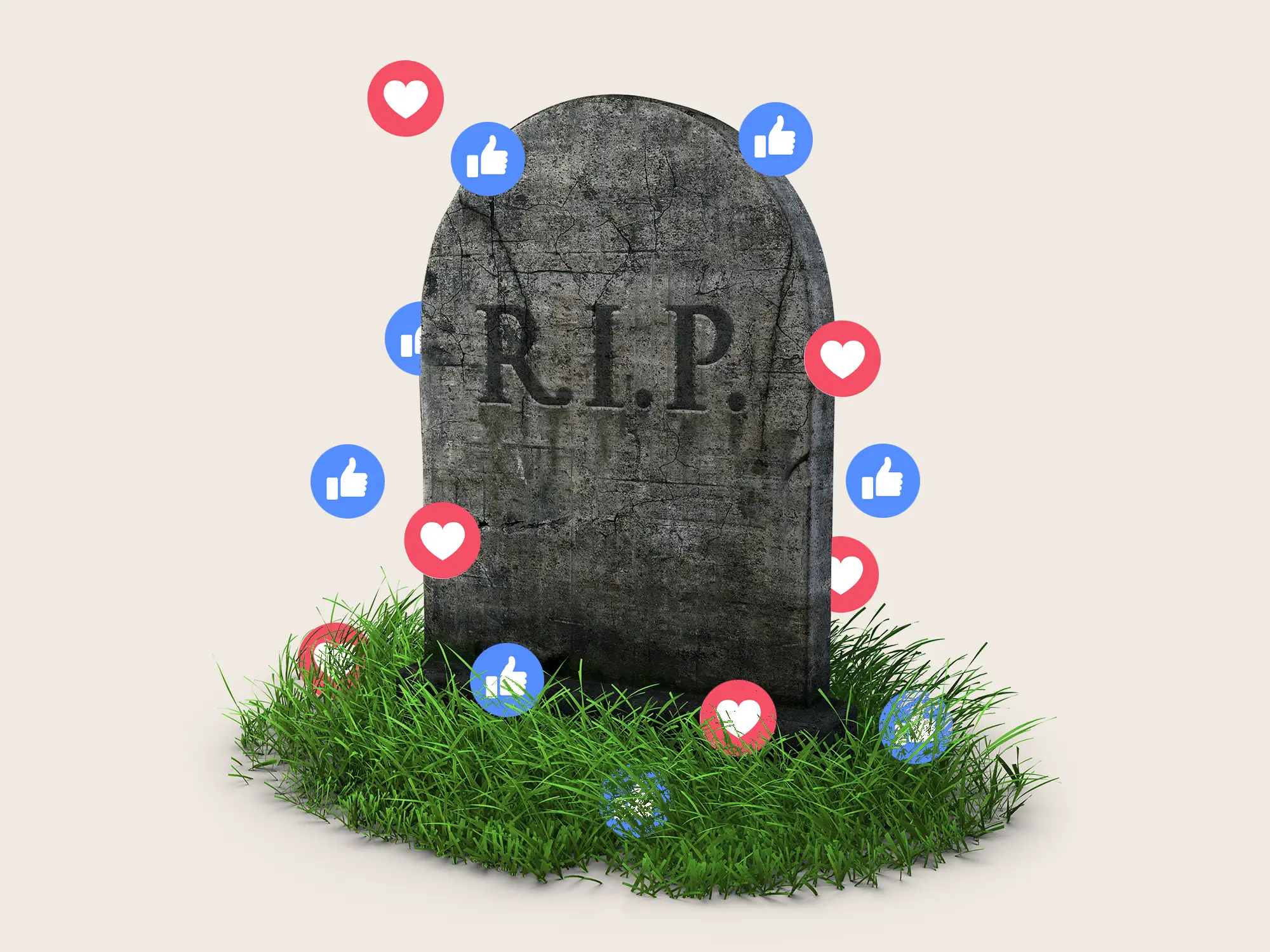
Rabat – Meta was recently granted a patent outlining how a large language model could simulate a person’s social media activity, including liking posts, leaving comments, or responding to messages.
The system would use user-specific data, such as past posts, likes, and comments, to predict and replicate how a person would behave online.
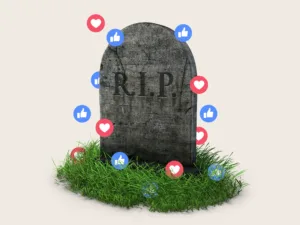
The patent explains that this technology could operate when a user is absent from the platform, either because they take a long break or have passed away.
“The impact on the users is much more severe and permanent if that user is deceased and can never return to the social networking platform,” the document states.
The goal would be to maintain engagement for friends and followers even if the real person is no longer active.
Beyond text activity, Meta’s patent also mentions the possibility of simulating video or audio calls with the user.
For content creators and influencers, such a system could provide a way to continue interacting with followers while taking a break.
Despite the attention the patent has generated, a Meta spokesperson told Business Insider that there are no plans to implement this technology.
“We have no plans to move forward with this example,” the company said. Patents often explore ideas that may never become real products.
The concept raises broader questions about privacy, consent, and the nature of online identity.