Fez — A new adaptation of “Wuthering Heights” has arrived in cinemas, with director Emerald Fennell delivering a feverish and highly stylized reinterpretation of Emily Brontë’s 1847 iconic novel.
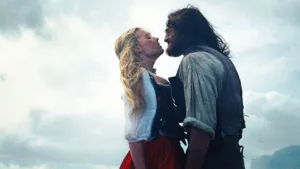
Starring Margot Robbie as Catherine Earnshaw and Jacob Elordi as Heathcliff, the film has quickly become one of the year’s most debated literary adaptations.
Marketed as a sweeping gothic romance for contemporary audiences, Fennell’s “Wuthering Heights” leans into heightened emotion, bold aesthetic choices, and a sensual, modern sensibility. The result is a film that is as visually arresting as it is polarizing.
A windswept visual spectacle
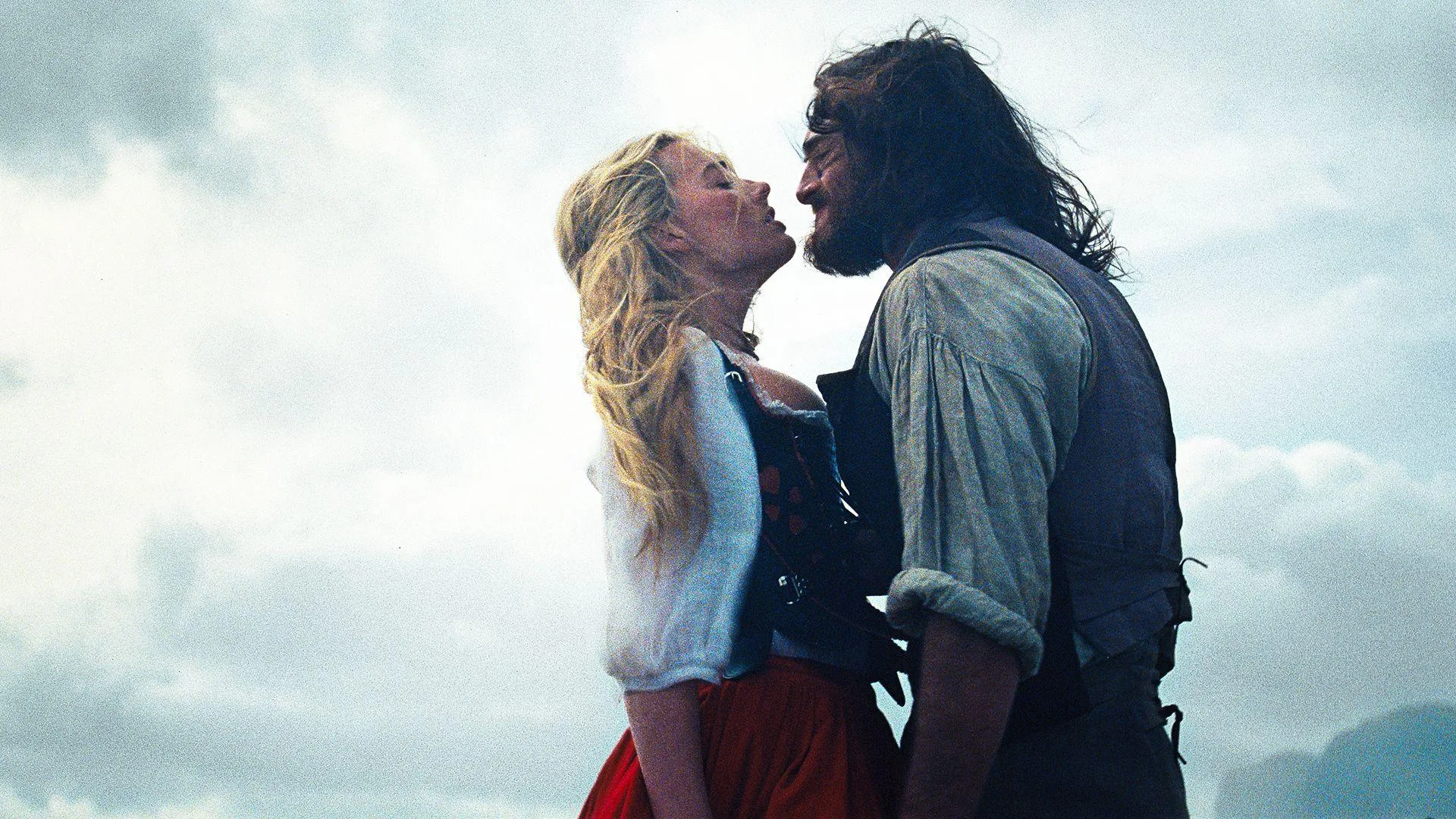
Visually, the film commands attention. The Yorkshire moors are captured in sweeping, wind-lashed panoramas, with storm-darkened skies and interiors lit in an almost surreal glow. Each frame feels carefully composed, evoking classical oil paintings while retaining a dreamlike intensity.
Fennell treats the landscape not merely as a backdrop but as a living force. The moors mirror the emotional turbulence between Catherine and Heathcliff, amplifying their passion and volatility.
At moments, the film slips into a strange, almost fantastical tone, with shifting light and distorted perspective that evoke echoes of ‘Alice’s Adventures in Wonderland’ by Lewis Carroll. Reality appears to bend, as if Catherine herself has stepped into a world where emotional logic overrides reason.
A radical Catherine for modern audiences
In Brontë’s original 1847 text, Catherine Earnshaw is already a complex and contradictory figure. Fennell pushes that complexity further. Robbie portrays her as fierce, impulsive, and unapologetically driven by desire. This Catherine does not passively endure love; she demands it, weaponizes it, and is consumed by it.
The film places female desire at its center without softening its darker edges. Catherine’s passion is neither sanitized nor moralized. Instead, it is presented as overwhelming and self-destructive. In doing so, the adaptation challenges audiences accustomed to more conventional romantic narratives.
The relationship between Catherine and Heathcliff remains obsessive and toxic. Rather than reframing their bond as a tragic ideal, Fennell emphasizes its volatility. The film resists offering a clear moral lens, leaving viewers to question whether they are witnessing a romantic epic or an emotional catastrophe.
A daring but divisive adaptation
Purists of Brontë’s novel may find the liberties taken with tone and characterization unsettling. Fennell does not pursue strict historical fidelity. Instead, she embraces a contemporary aesthetic that occasionally flirts with pop sensibility while retaining gothic intensity.
The director’s willingness to foreground sensuality and psychological extremity may divide critics. Some will see it as an audacious modernization that restores rawness to a frequently romanticized classic. Others may view it as excessive, overly self-aware, or stylistically indulgent.
Yet even detractors acknowledge the film’s ambition. It refuses restraint. It refuses neutrality. It refuses comfort.
A love story that unsettles
Ultimately, this “Wuthering Heights” does not seek to reassure. It portrays love not as salvation but as force — destabilizing, obsessive, and consuming. The film asks whether passion without compromise is liberation or ruin, and it does not provide an easy answer.
Audiences may leave theaters divided, even disturbed. But indifference is unlikely. In revisiting one of literature’s most enduring tragedies, Fennell has crafted a version that insists on intensity — and ensures that Brontë’s tempestuous lovers continue to provoke, challenge, and captivate nearly two centuries after they first emerged on the page.
The film is now showing at Megarama and Pathé cinemas.