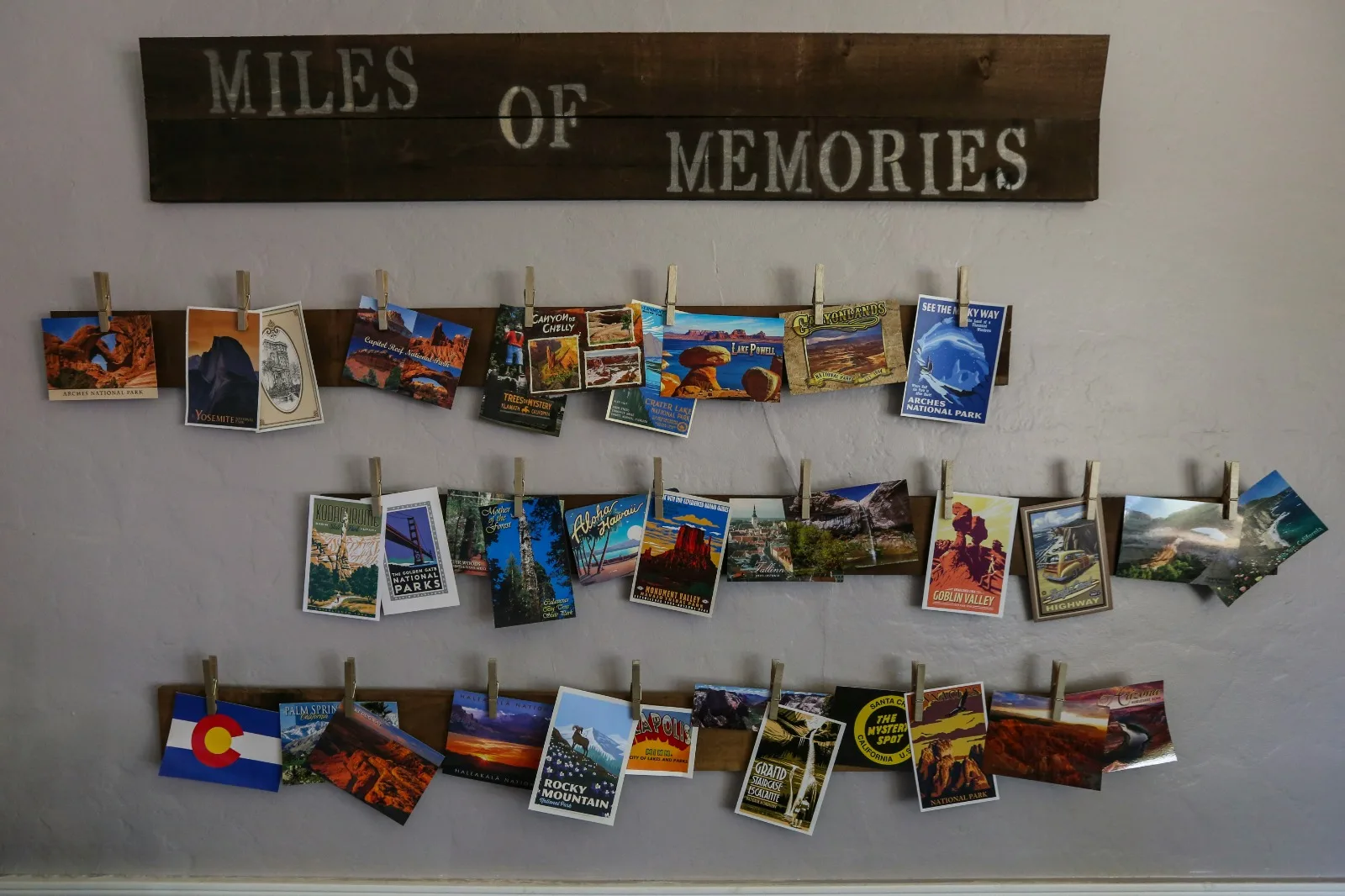
Rabat – For many travelers to Morocco, postcards are memorable souvenirs.
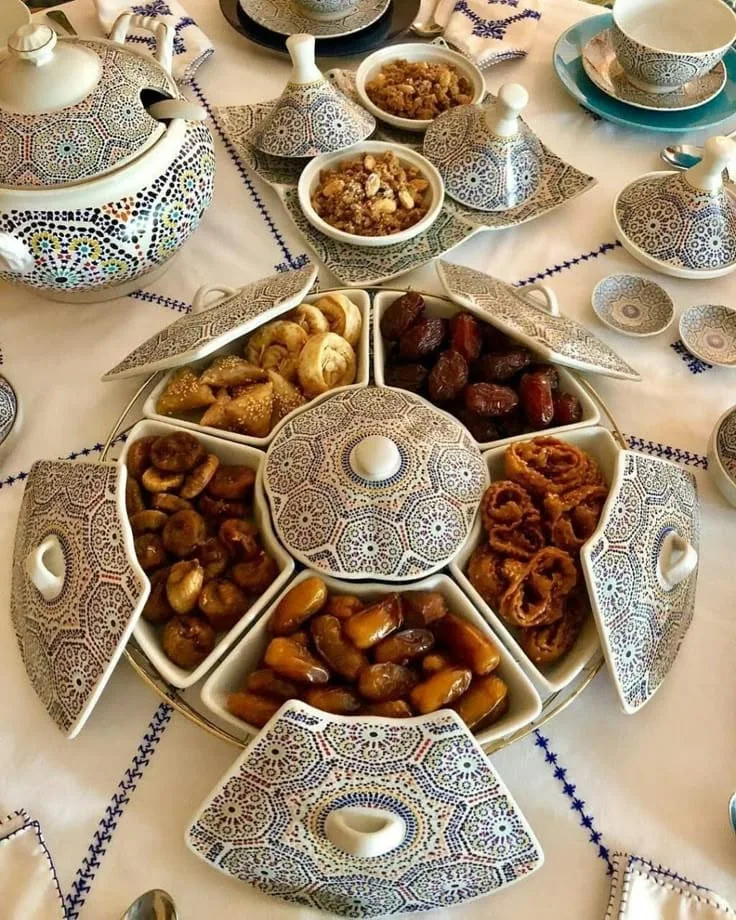
They feature everything from traditional rug and zellige patterns to Sahara desert landscapes, and from bustling souk squares to appealing tagines and other local food.
However, some choose not to keep them, but to send them out instead.
Sending a postcard step by step
Obviously, the first step is getting the postcard itself. You can find them almost everywhere in Morocco, including museum gift shops, neighborhood bookstores, small kiosks in the medina, and even some hotel lobbies.
You can write anything you want to say to the recipient, usually on the left side of the postcard.
When you’re ready, you can visit a branch of Poste Maroc, Morocco’s national postal service, to pick up stamps and send your postcards on their journey. Their signature service, Amana International ensures fast 4-7 day shipping with tracking depending on your intended destination.
Shipping costs vary depending on the destination. You must pay enough postage for the letter to be delivered successfully.
Don’t forget to write the correct information on the bottom right corner following the format. A correct address and recipient name are always essential, as well as an accurate postal code.
If it is an international address, you must also state the country or region.
It is generally safest to write the address in the official language of the destination country, including the country name in capital letters, which is especially important for international mail.
Considering you are sending from Morocco, it might be a good idea to also include Arabic or French, making it easier for officers to identify. It is best to consult with the postal staff to make sure that you are addressing the letter successfully.
Postcards in the digital era
In a time where WhatsApp delivers messages in a second, some might wonder, why are we still writing postcards?
The part of the answer is the experience itself. Writing a postcard requires time. You sit down, think about the person you are sending, and choose your words carefully, since space is limited.
Different from the instant text message, it cannot be edited endlessly or deleted once sent. This is why the handwriting carries traces of the moment when it was written.
The sentences you write are timeless.They connect the past, present, and future, and are worth treasuring and looking forward to for a long time.
There is also something meaningful about distance. A postcard travels physically across borders, mountains, and oceans. It passes through sorting centers and postal routes before arriving in someone’s mailbox weeks later. This journey makes your warm message tangible.
Although they may take a long time to arrive, they carry something that instant messaging can not bring: the love and missing intention behind the handwriting.
Therefore, mailing a postcard becomes part of the travel experience itself.