Rabat – Ramadan, the most significant and holy month in Morocco and the Islamic World. During Ramadan, daytime streets can feel quieter, and working hours are often shorter. However, the evenings are much more full of vibrant life.
If you are planning a trip to Morocco during Ramadan, you might hesitate. Will everything be closed? Will it be difficult to eat? Is it inconvenient?
It depends on what kind of traveler you are.
If you are curious, patient, and interested in everyday life beyond tourist brochures, Ramadan can be one of the most meaningful times to visit cities like Rabat, Marrakech, and Fez.
Here are some tips we want to share with you.
Meals
Food is the biggest change you will notice.
During the daytime, many local cafes and restaurants close. However, tourist-oriented restaurants, hotels, and some international chains usually remain open.
In cities like Casablanca and Marrakech, you will still find places to eat lunch. It may just require a bit more searching.
However, a sincere piece of advice for travelers to respect local customs is to avoid eating or drinking outdoors during the day.
Something else to keep in mind, although Morocco is a Muslim-majority country, in major cities alcohol is served in some bars and restaurants – but not during Ramadana. Do not expect to find it available in any part of the country, including liquor stores, for the duration of the holy month.
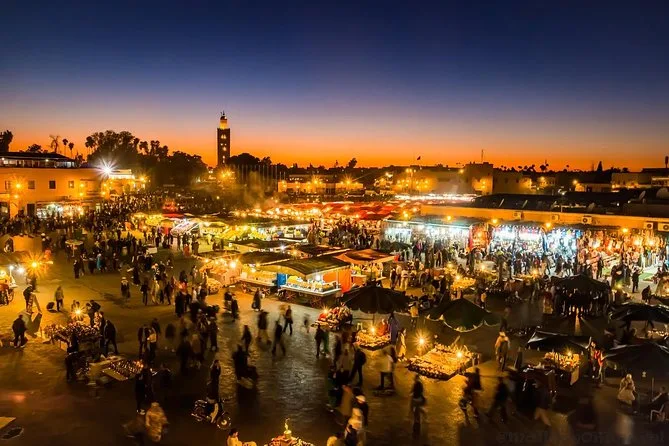
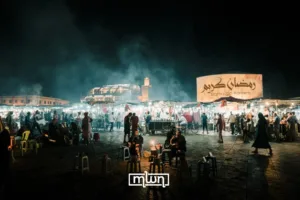
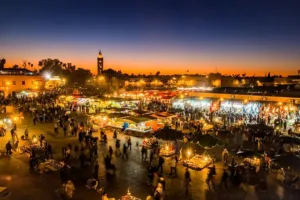
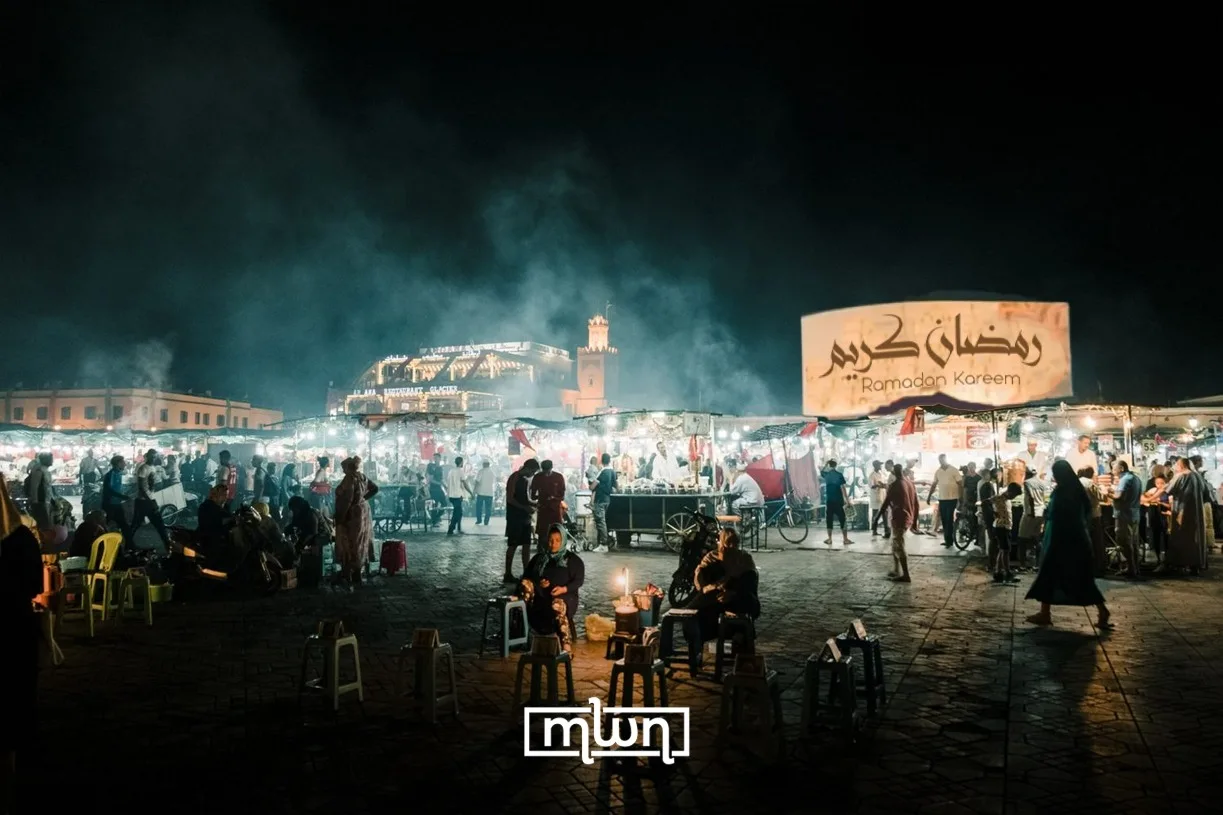
After iftar, cities during Ramadan evenings are lively.
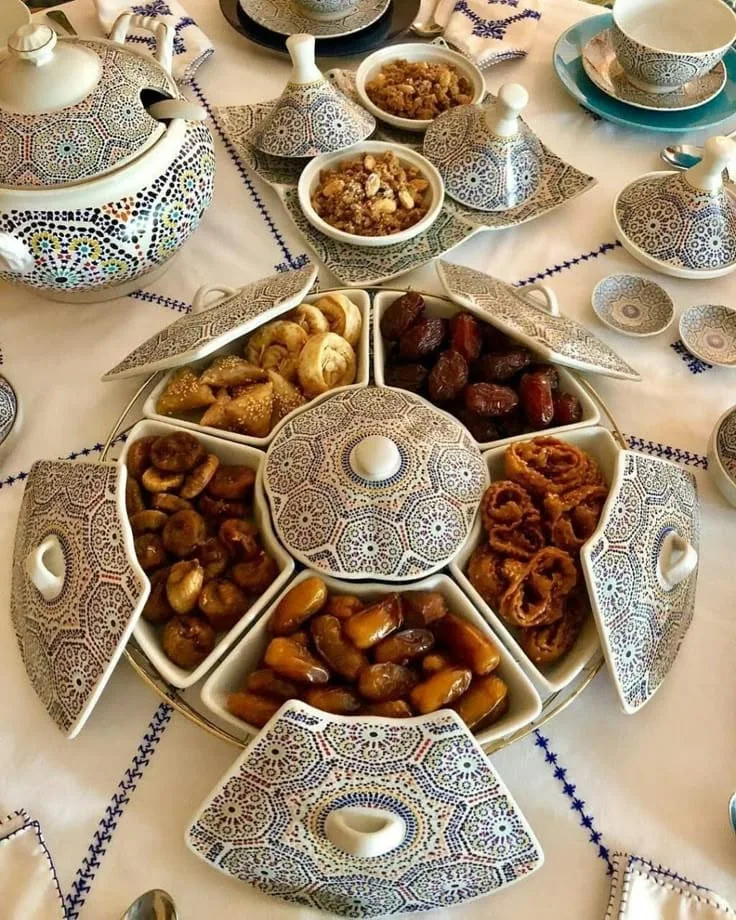
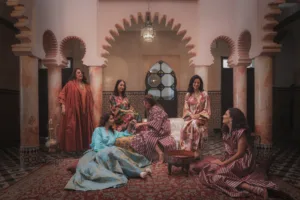
Cafes reopen, families gather, and children play outside. In the old medina, you will feel an especially magical atmosphere at night. Traditional tables include dates, harira soup, chebakia sweets, sellou, briouat, msemmen, eggs, mint tea, and all kinds of other Moroccan delicacies.
Ramadan also brings a variety of exclusive seasonal foods to shops and households alike. If you enjoy cultural immersively, Ramadan evenings are unforgettable.
Clothing
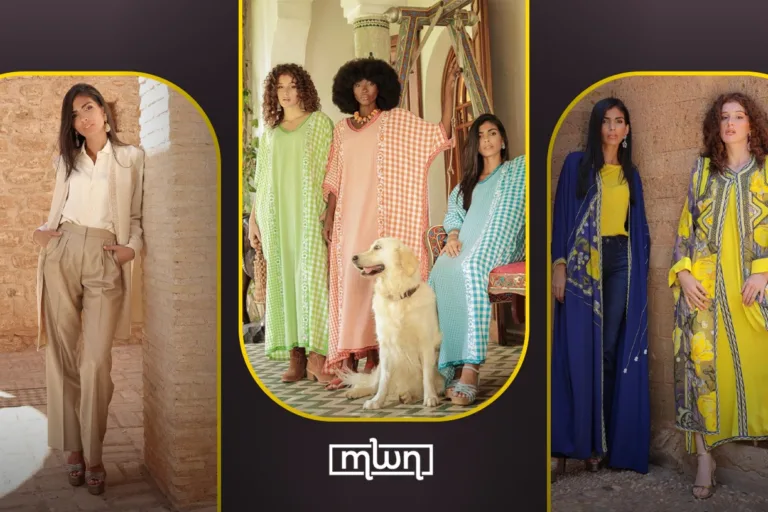
You are not required to dress differently as a visitor, but it is respectful to avoid very revealing outfits, especially in residential areas and smaller towns.
Loose dresses, long skirts, trousers, and light shirts are practical choices. They are comfortable for warm weather recently and align well with local customs.
In large cities and tourist zones, people are used to international visitors, but blending in slightly will make your experience smoother.
Transportation
Public transportation continues to operate nationwide, but under a special Ramadan timetable. ONCF, Morocco’s national railway, introduces adjusted schedules with reinforced peak-hour services and additional evening trains to accommodate post-iftar travel and modified working hours.
Taxis usually still operate. But you should be prepared for even fewer cars.
Many people return home early to prepare for iftar, so traffic can be heavier a few hours before sunset.
Business working hours
Government offices, banks, and some stores reduce their working hours.
Restaurants, cafes and supermarkets often adjust their hours as well, sometimes opening after iftar and staying open later into the night.
Tourist attractions generally remain open, while some sites may close earlier than expected. It is always best to double-check schedules in advance on their official website.
So, should I still visit?
If you expect a fast-paced holiday, filled with daytime cafe hopping and spontaneous food stops, visiting Morocco during Ramadan might feel a little restrictive.
But, if you want to observe daily culture, community life, and a different side of society, it may slow your schedule, but it will truly deepen your special experience.
Ramadan Kareem! Enjoy your trip!