Rabat – If you stroll through the streets of the old medina, you might catch the soft chime of a small bell, an invitation before the sight.
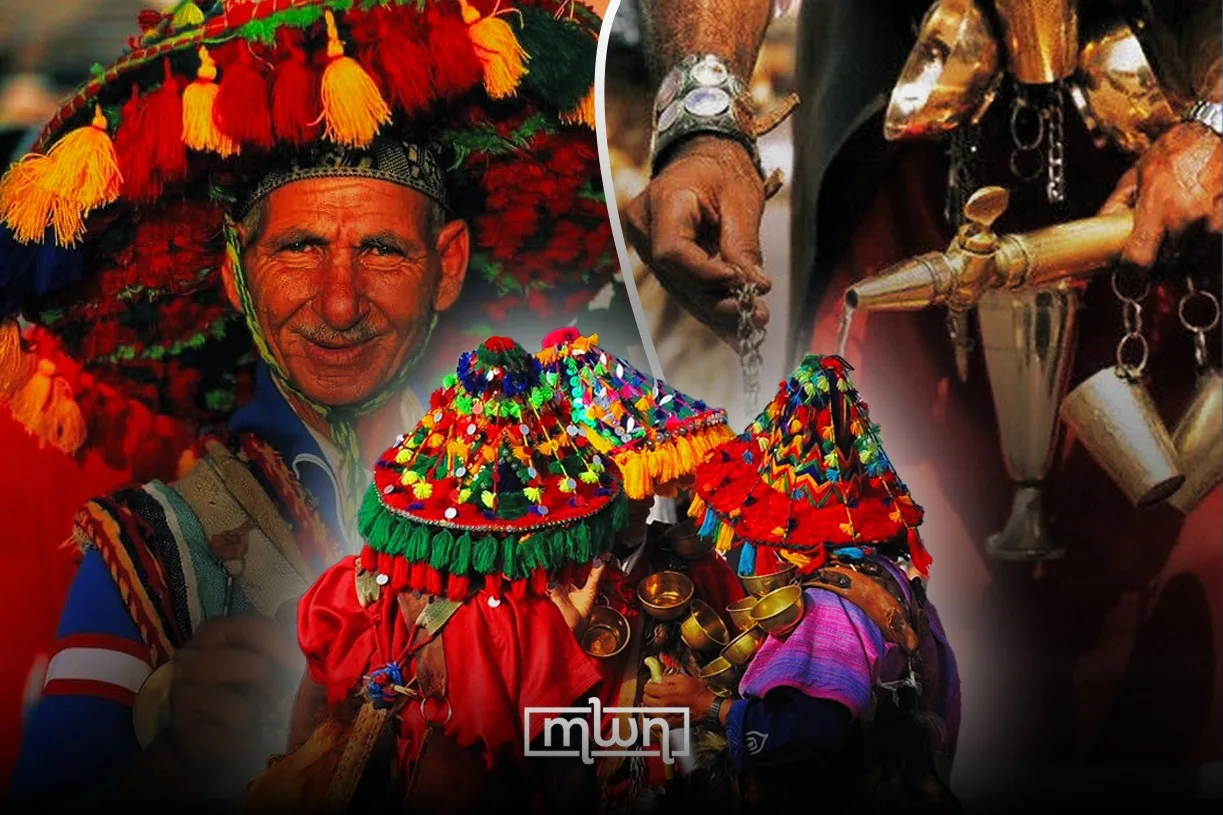
Then, emerging from the crowd, a figure in a red robe appears, a wide-brimmed hat shading their face, brass cups glinting in the sunlight, and a goatskin bag, or “guerba,” slung over the shoulder, adorned with ancient coins.
Meet the Moroccan guerrab, the traditional water vendor in the North African country.
In the past, guerrabs were essential. They supplied water in the streets and markets and served traders, workers, and travelers.
This was long before modern water systems reached every home. In desert regions and inside the old medina houses, they helped move water across the region.
The profession has long been male-dominated, with most guerrabs being men.
Yet, the first time I met a guerrab who was a woman, it was a reminder that while rare, this role is not impossible for women. Today, the role is a little different.
With the convenience of grabbing a small Sidi Ali bottle, the need to deal with guerrabs has diminished.
Yet, you can still spot them in the markets and winding streets of the old medinas in Marrakech, Casablanca, Rabat, and other cities.
As social media continues to reshape how travelers experience their Moroccan adventure, their clothes always draw tourists’ attention, making them stop for a picture.
Not everyone who approaches a guerrab is thirsty. Some take a cup of water as a gesture of support, while others offer coins after snapping a photo.
Over time, the role has evolved. It’s no longer just about quenching thirst, but also about keeping a visible tradition alive.
Today, tagarrabt and guerrabs are less about necessity and more about heritage and symbolism.
Besides guerrabs, do you know what other traditional cultures are on the verge of disappearing?