Fez — Ramadan iftar is one of the most anticipated moments of the day.
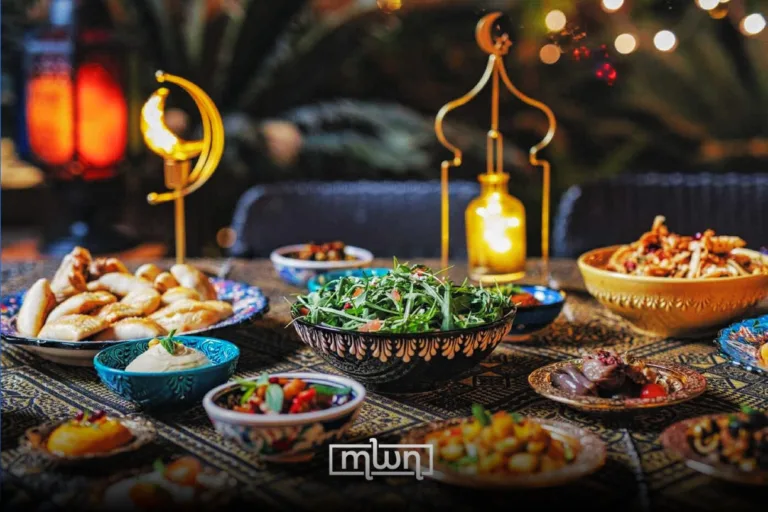
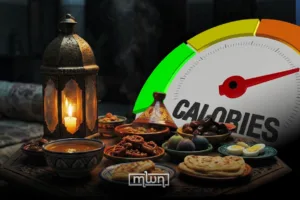
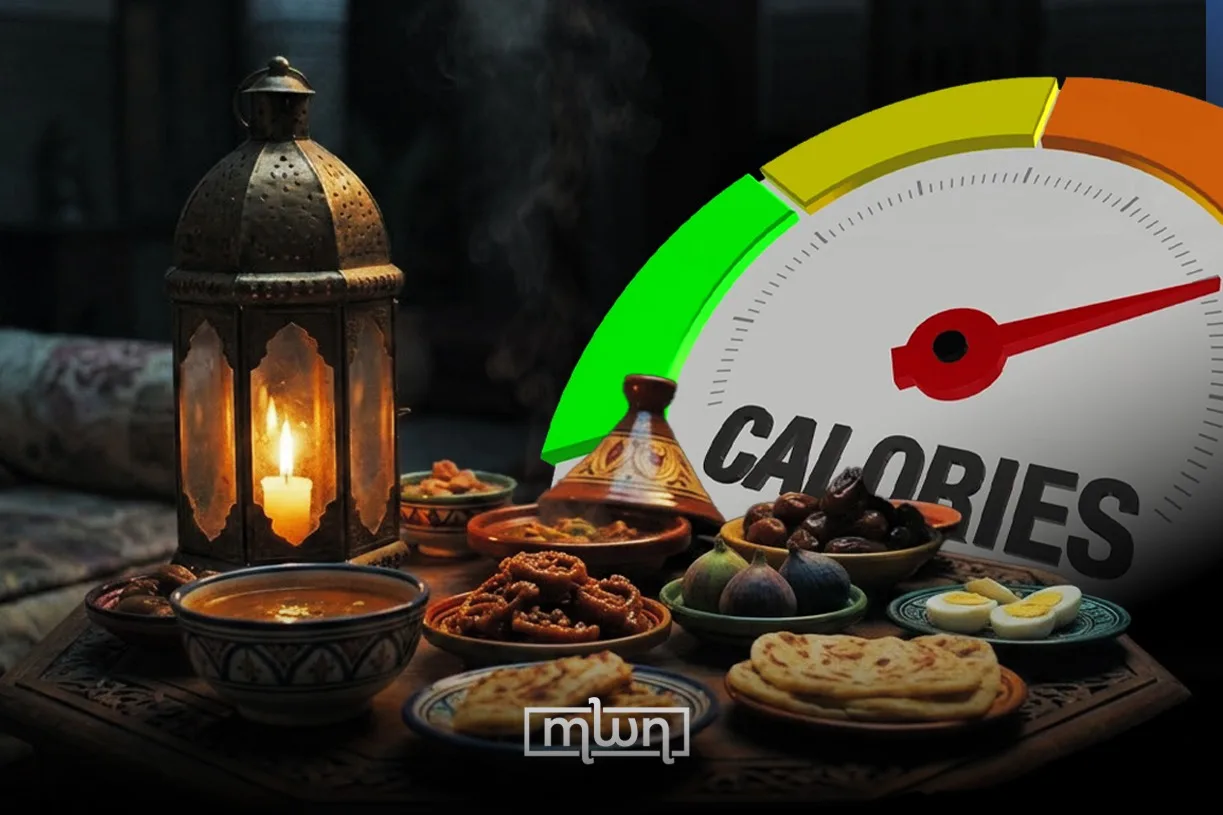
After long hours of fasting, Moroccan tables fill with comforting staples: harira, dates, msemen, chebakia, eggs, juices, and often a full main dish. While the meal is rooted in tradition and nourishment, the total calorie count can climb quickly.
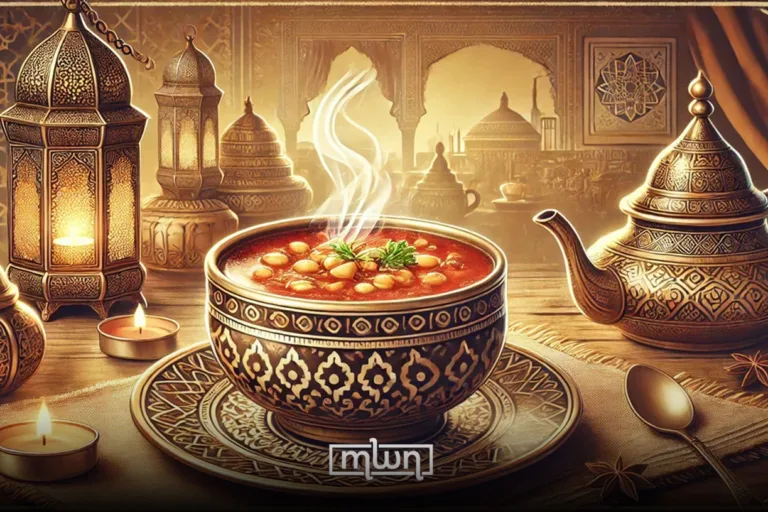
A classic iftar often begins with harira, the tomato-based soup made with lentils, chickpeas, and sometimes meat. One bowl typically contains between 250 and 350 calories, depending on portion size and ingredients.
Add three dates, which contribute around 200 calories, and a hard-boiled egg at roughly 70 calories, and the meal can already reach 500 to 600 calories before pastries even arrive on the table.
Sweets significantly raise the total. A single piece of chebakia can contain between 150 and 200 calories due to its honey coating and frying process.
Read also:
A small portion of sellou, made from toasted flour, almonds, sesame, butter, and sugar, can add another 180 to 250 calories. With just these additions, the total can easily exceed 1,000 calories within minutes of breaking the fast.
Traditional breads and pancakes add more. One msemen with honey and butter can range from 300 to 400 calories. A baghrir topped with honey may add another 200 to 250 calories. At this stage, the calorie count may already approach 1,400 to 1,600 calories, before the main dish is served.
The main course, often a chicken tagine, meat dish, or couscous, can contribute an additional 400 to 600 calories depending on portion size and fat content.
Altogether, a generous Moroccan iftar can reach between 1,800 and 2,200 calories in a single sitting.
For context, average daily calorie needs range from about 1,800 to 2,200 calories for women and 2,200 to 2,800 for men, depending on age and activity level. This means one heavy iftar can cover most, if not all, of a person’s daily energy requirements.
Nutrition experts often recommend breaking the fast gradually. Starting with water and one or two dates, followed by soup, allows the body to adjust. Keeping sweets in small portions and prioritizing protein and fiber can help maintain balance throughout the evening.
Iftar is meant to restore energy and bring families together. With mindful portions, it can remain both satisfying and supportive of overall health during the holy month.