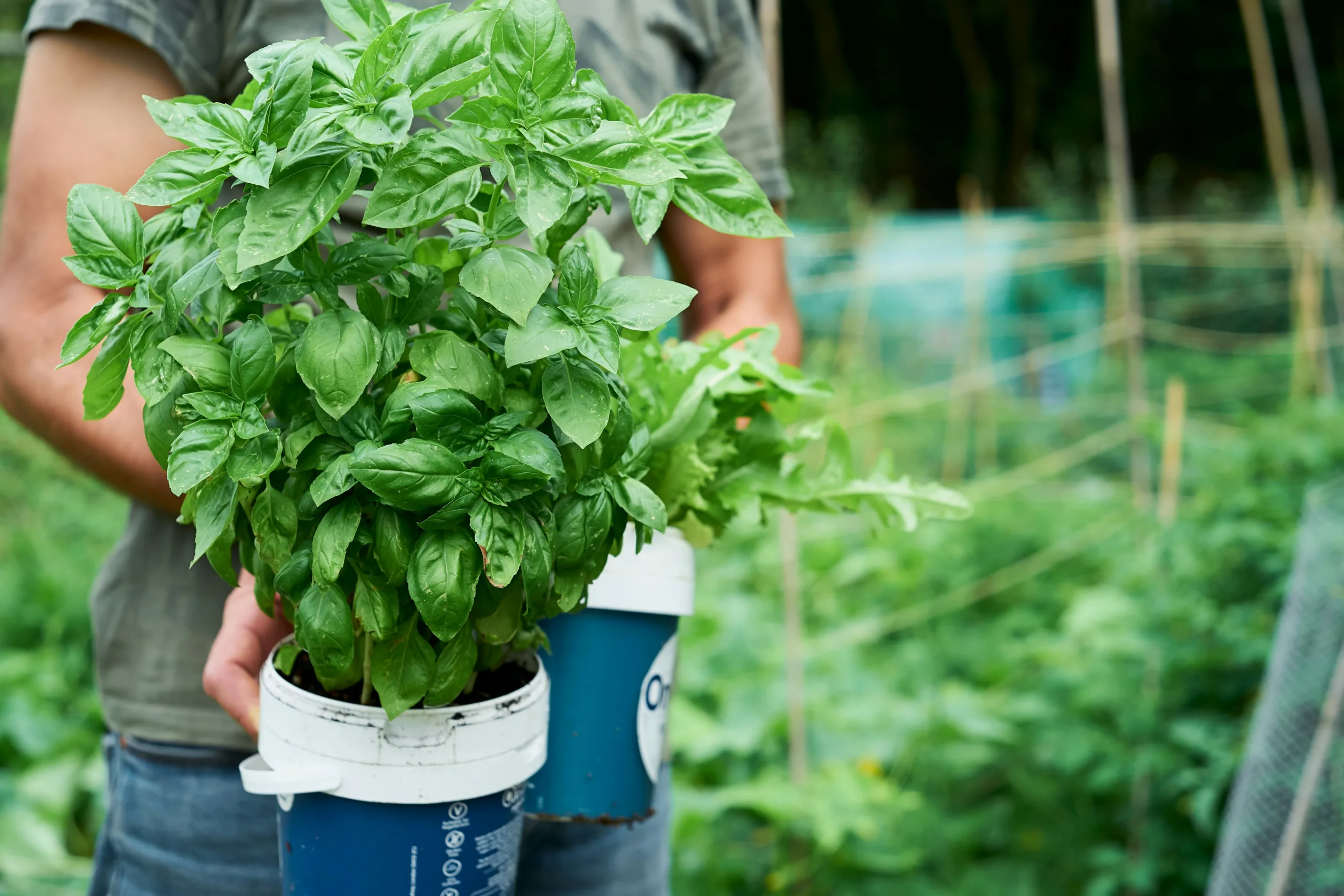
Fez — Basil is one of the easiest herbs to grow at home and one of the most rewarding to use in everyday cooking.
Known for its bright green leaves and strong fragrance, the herb plays a major role in Mediterranean and global cuisine. Whether grown in a garden, on a balcony, or in a small kitchen pot, basil provides a constant source of fresh flavor for simple meals.
Because basil grows quickly and thrives in warm climates, it is a popular plant for beginners in home gardening. A single plant can produce leaves for months with regular trimming and proper sunlight.
Why basil is worth growing
One of basil’s biggest advantages is freshness. Store-bought herbs often lose aroma within days, while homegrown basil can be picked minutes before cooking.
Basil also requires very little space. Even a small pot placed near a sunny window can support healthy growth. With enough sunlight, warm temperatures, and regular watering, basil plants grow quickly and produce new leaves continuously.
Many gardeners also appreciate basil because it pairs well with other plants. It is commonly grown near tomatoes, peppers, and other vegetables in home gardens.
Beyond gardening benefits, basil adds a distinctive flavor that can completely transform simple dishes.
How to grow basil at home
Growing basil begins with either seeds or small starter plants.
Plant seeds in light, well-drained soil and cover them lightly. Water gently and place the pot in a warm area with strong sunlight. Seeds usually sprout within about a week.
Once the plant grows several sets of leaves, pinch the top tips regularly. This helps the plant grow fuller rather than tall and thin.
Basil thrives with about six hours of sunlight per day and slightly moist soil. Overwatering should be avoided, as basil prefers well-drained conditions.
Leaves can usually be harvested about three to four weeks after planting.
Meals where basil actually shines
The real reason many people grow basil is its role in everyday meals. Fresh leaves add brightness and aroma to simple foods.
One of the most famous dishes using basil is pesto, an Italian sauce made by blending basil leaves, garlic, olive oil, nuts, and cheese. It is often served with pasta or spread on bread.
Basil also works beautifully in tomato salads, where the herb’s sweetness balances the acidity of tomatoes. A classic example is a tomato and basil salad with olive oil and salt.
Another simple meal is the Thai basil chicken, where fresh leaves are added near the end of cooking to give the dish a fragrant finish.
Home cooks also commonly use basil in pizza, sandwiches, soups, and omelets. Even a few torn leaves can elevate a basic dish.
Some people also brew basil in herbal tea, combining the leaves with lemon or honey for a refreshing drink.
From plant to plate
What makes basil special is how quickly it moves from garden to kitchen. A handful of leaves picked moments before cooking delivers far more aroma and flavor than dried herbs.
For many home cooks, growing basil becomes a small daily ritual: water you plant, pick a few leaves, and drop them into the next meal.
That simple habit turns an ordinary herb into something much more satisfying.