Nador – As Ramadan nears its final days, Moroccans start preparing for Laylat al-Qadr, also known as the “Night of Power.”
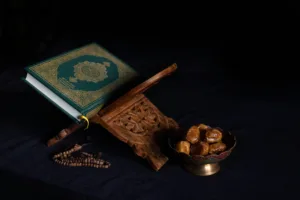
This is the night when the Quran was first revealed, and for many Muslims, it is a special time for prayer, reflection, and seeking forgiveness.
The exact date of Laylat al-Qadr is unknown, but it falls within the last ten days of Ramadan.
Across Morocco, the atmosphere during this night feels different. Mosques stay open late, welcoming worshippers who come to pray and spend the night in devotion.
The streets stay vibrant as people make their way to the mosque or head home after extended prayers. Even late at night, the atmosphere remains serene and filled with spiritual devotion.
For many families, the night is also filled with meaningful traditions. Parents often dress their children in traditional Moroccan clothing to celebrate the occasion.
Girls wear colorful caftans or takchitas, while boys are usually dressed in djellabas and small traditional caps.
Families take photos to remember the moment, making it a special memory for children.
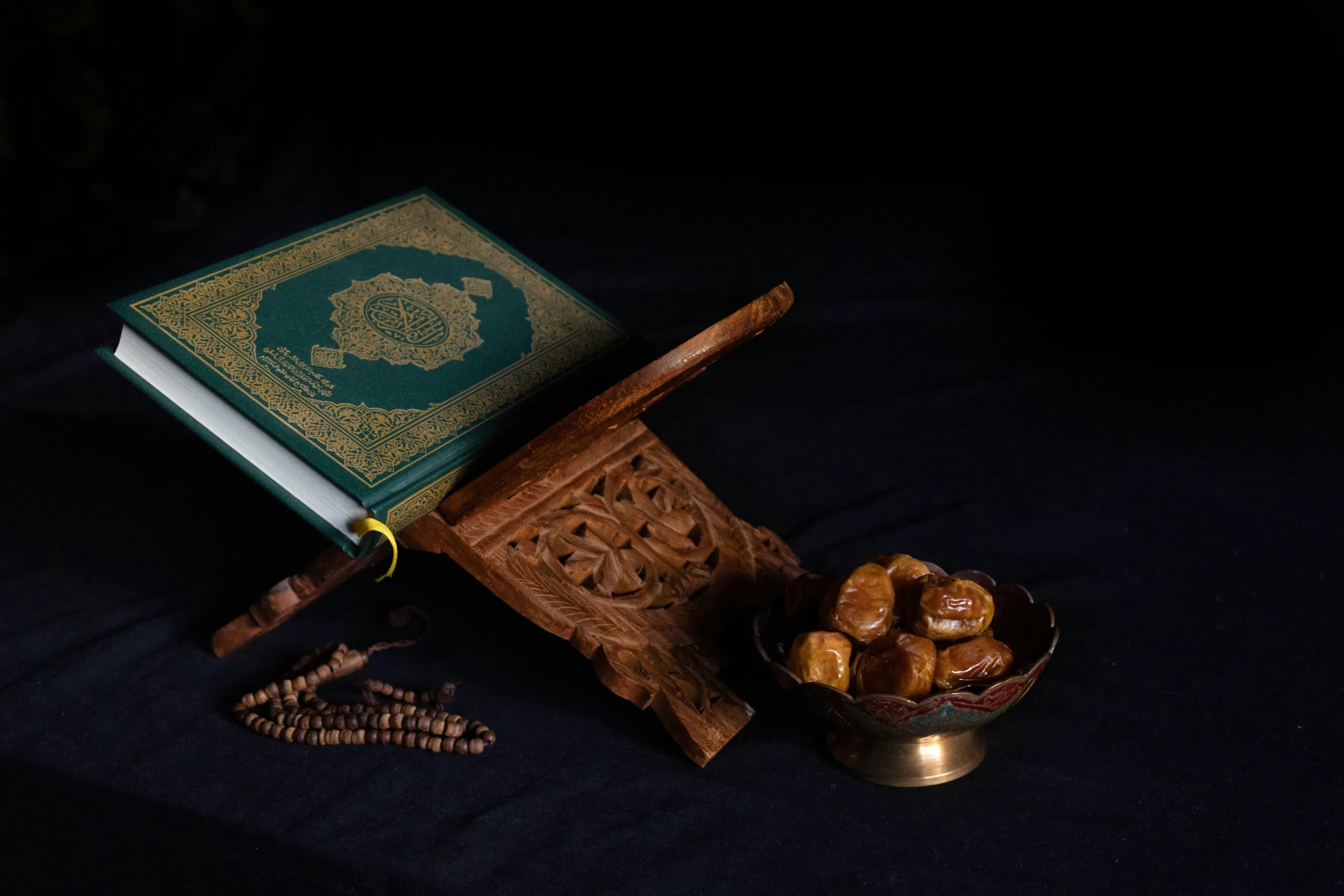
Food also plays a role in the evening. Homes often prepare sweets, dates, and mint tea to share with relatives and visitors who stop by at night.
In some parts of the country, the sense of community becomes even stronger.
In the Rif region, for example, many families cook large dishes of couscous and bring them to the mosque to share with others after prayers. It is a simple yet meaningful way to bring people together on this sacred night.
For many Moroccans, Laylat al-Qadr is not only about worship. It is also a moment of togetherness, where faith, family traditions, and community come together to create a night that feels truly special.