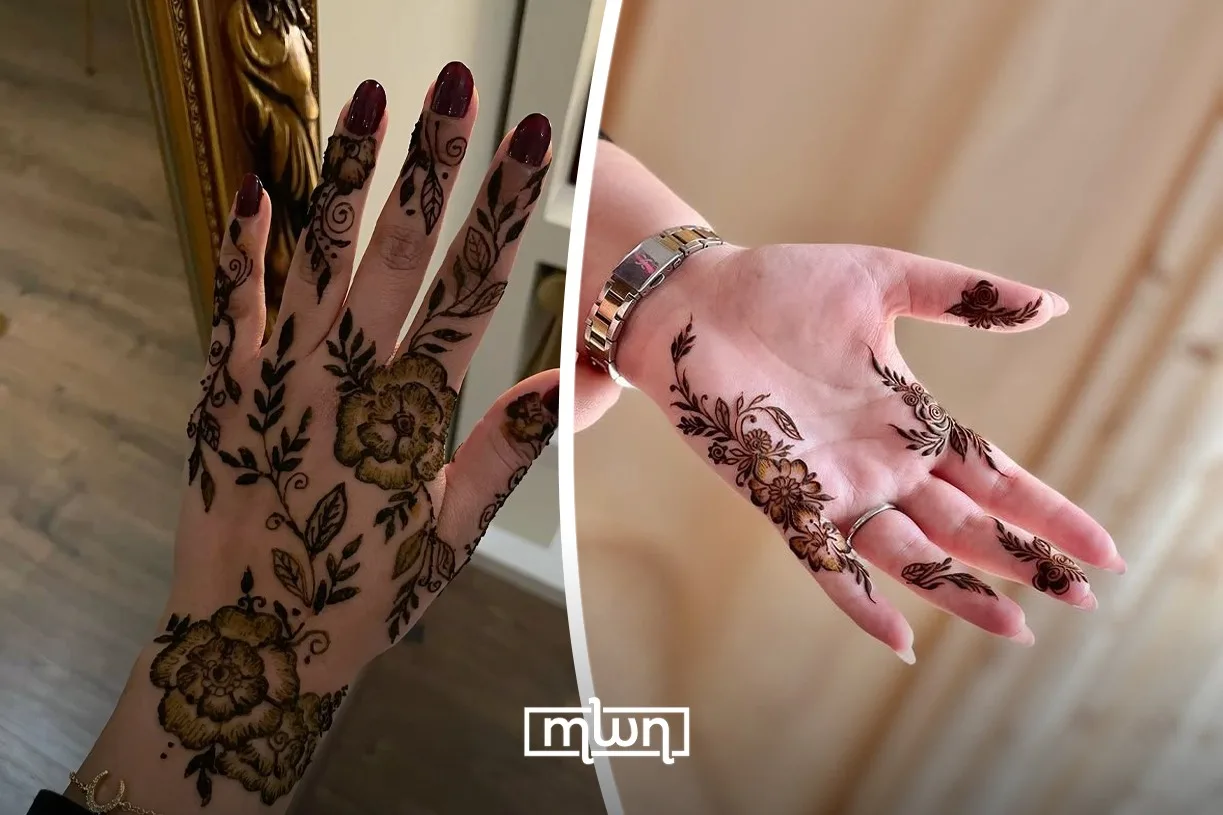
Nador – As Eid approaches, Moroccan homes fill with laughter, sweet aromas, and the scent of henna.
More than just a decoration, henna is a tradition woven deeply into Moroccan culture, a symbol of celebration, beauty, and connection.
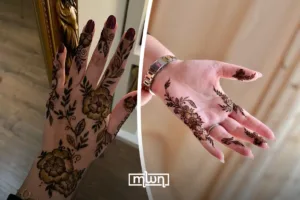
For generations, Moroccan women have decorated their hands and feet with intricate henna patterns during Eid.
Each design tells a story, from delicate flowers symbolising happiness to bold geometric shapes representing protection and good fortune.
Applying henna is also a moment of bonding: mothers teach daughters, friends gather to create designs together, and the process itself becomes a celebration.
Beyond its beauty, henna carries meaning. It is believed to bring blessings, mark new beginnings, and express joy during life’s most special moments.
On Eid, when family and friends come together, these designs become a shared language of tradition and love, connecting the past with the present.
Today, Moroccan henna continues to evolve. While traditional motifs remain popular, modern adaptations mix styles, creating unique designs that reflect personal taste while honoring cultural heritage.
From casual home gatherings to professional artists in vibrant markets, henna is everywhere, inviting everyone to participate in this centuries-old art.
This Eid, Moroccan henna is more than just adornment; it’s a celebration of identity, creativity, and togetherness.
It reminds us that traditions are not just to be remembered, but lived, shared, and worn with pride.