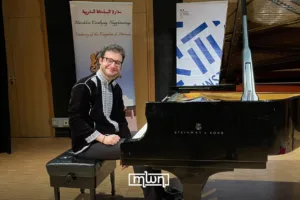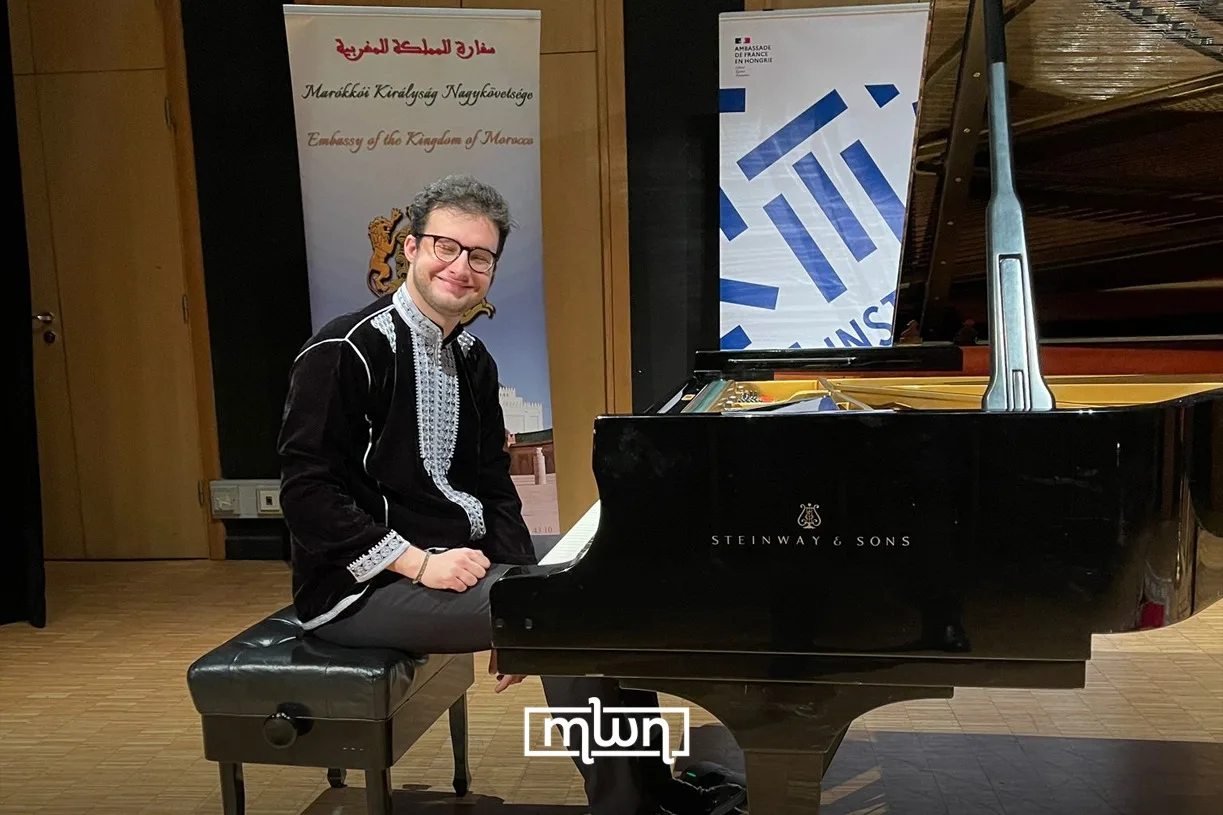
Casablanca – Moroccan pianist Mahmoud El Moussaoui performed a captivating piano recital in Budapest on Wednesday, as part of Francophonie Month in Hungary, under the title “Francophone Resonances.”
Organized by the Moroccan embassy in Budapest in partnership with the French Institute of Hungary, the evening was far more than a conventional recital. It was a bridge where Moroccan and Hungarian cultures met in a harmonious dialogue.
El Moussaoui carried Morocco’s artistic voice across the concert hall while simultaneously celebrating the richness of Hungarian musical heritage.
He performed the contemporary “Nocturnes” from Moroccan composer Nabil Benabdeljalil, transporting the audience into the deeply evocative spirit of Morocco’s modern classical scene.
These emotionally rich pieces were presented alongside the timeless works of Hungarian masters Zoltán Kodály and Franz Liszt, creating a vivid conversation between two musical worlds.
Celebrating Moroccan culture across borders
In a previous podcast with MWN Lifestyle, El Moussaoui spoke about the significance of bringing Moroccan culture into his performances.
“I take advantage of my concerts to showcase what’s happening in Morocco. Whether it’s related to classical music – I like to highlight classical composers from Morocco, such as Nabil Benabdeljalil and others – or even in terms of attire, […] I usually perform in a jellaba, which also helps show this side of our culture.”
The pianist talked about the need to recognize Moroccan composers the same way as their international peers.
“When people think of the Arab world in general, they usually only think of popular music. But we have many composers and artists coming from high culture who deserve to be heard and respected, with the same degree of respect given to European and other international composers.”
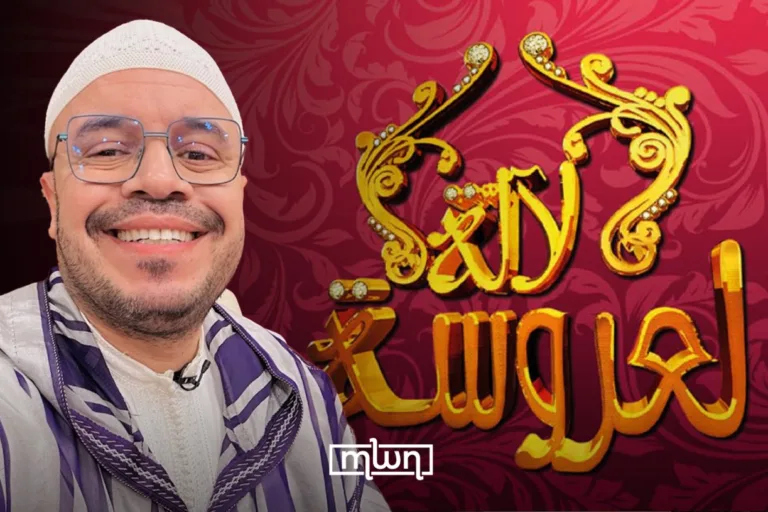
Through this musical encounter, El Moussaoui brought this vision to life. Alongside the Moroccan compositions, he performed wearing a traditional Moroccan jabadour, blending heritage with performance in a gesture of cultural pride.
A musical bridge between cultures
The interplay of Moroccan and Hungarian music created not just a concert, but a moment of connection. It formed a bridge bringing two countries closer through the universal language of music.
According to a press statement, Karima Kabbaj, Ambassador of Morocco to Hungary, described the event as a platform for dialogue, exchange, and the strengthening of cultural ties.
According to her, in a world too often divided by misunderstanding, music serves as a powerful tool to foster respect, fraternity, and mutual understanding.
As the evening unfolded, a large and distinguished audience gathered, uniting members of the diplomatic corps, senior Hungarian officials, and music enthusiasts in a shared musical experience.
Regardless of their backgrounds, the audience connected through a performance that invited everyone to relate and engage, as music once again proved its power to transcend differences and bring people together.