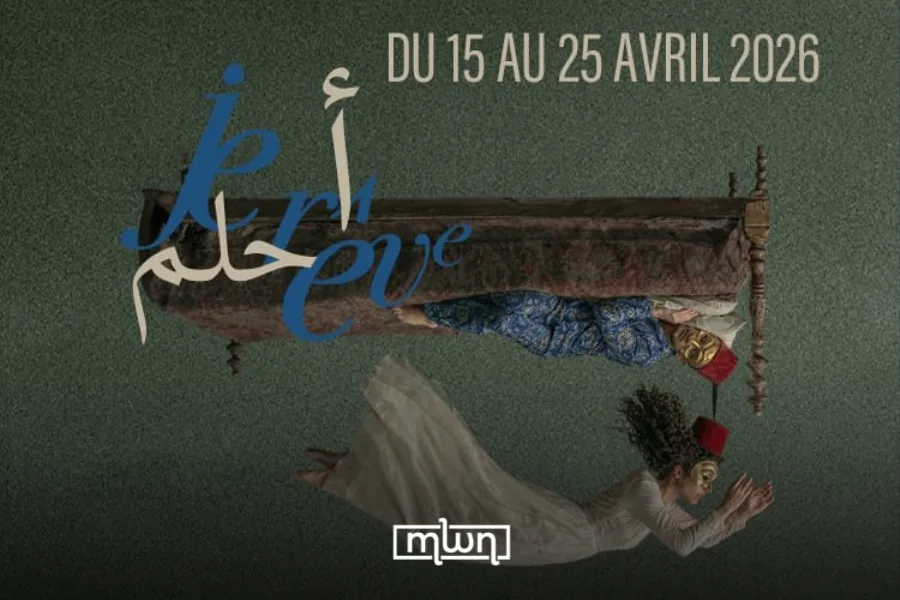
Fez — The Casablanca-Settat region is set to welcome the 19th edition of the “International Theater and Cultures Festival,” a multi-city cultural event that will run from April 15 to 25 and spotlight theatrical creation from Morocco and abroad.
Organized by the Fondation des Arts Vivants, the festival is presented as a major platform for artistic exchange in the region, with support from Casablanca-Settat and Casa Events and Animation.
This year’s edition will feature works from Palestine, Italy, France, and Morocco, reflecting what organizers describe as the richness of contemporary theater writing and the vitality of international artistic dialogue.
Beyond stage performances, the program will also include conferences and masterclasses led by recognized artists and cultural professionals.
The festival will unfold across several venues in the region, including the Anfa Cultural Complex, the Maarif Cultural Complex, the Théâtre Afifi in El Jadida, and the municipal theater of Ben Ahmed.
Organizers said the opening ceremony will take place at the Studio des Arts Vivants, reflecting the event’s ambition to expand beyond Casablanca itself and anchor the festival in a broader regional cultural map.
Palestine takes a central place
Palestine stands out as one of the central themes of this year’s edition.
The official festival page says Palestine is being honored this year, and that a tribute will be paid to Palestinian artist Tahani Salim. The organizers are also expecting several international guests, including David Harold, director of the “Festival Off d’Avignon,” Mazen El-Gharabawy, director of the Sharm El Sheikh festival in Egypt, and Jordanian cultural figure Rola Elhabahbah.
That international lineup suggests the festival is trying to do more than simply stage performances. It is also positioning itself as a meeting point for artists, festival leaders, and audiences from different backgrounds, using theater as a space for dialogue, circulation of ideas, and cultural diplomacy. This approach is consistent with how the “Fondation des Arts Vivants” frames the event, presenting it as both an artistic and human exchange.