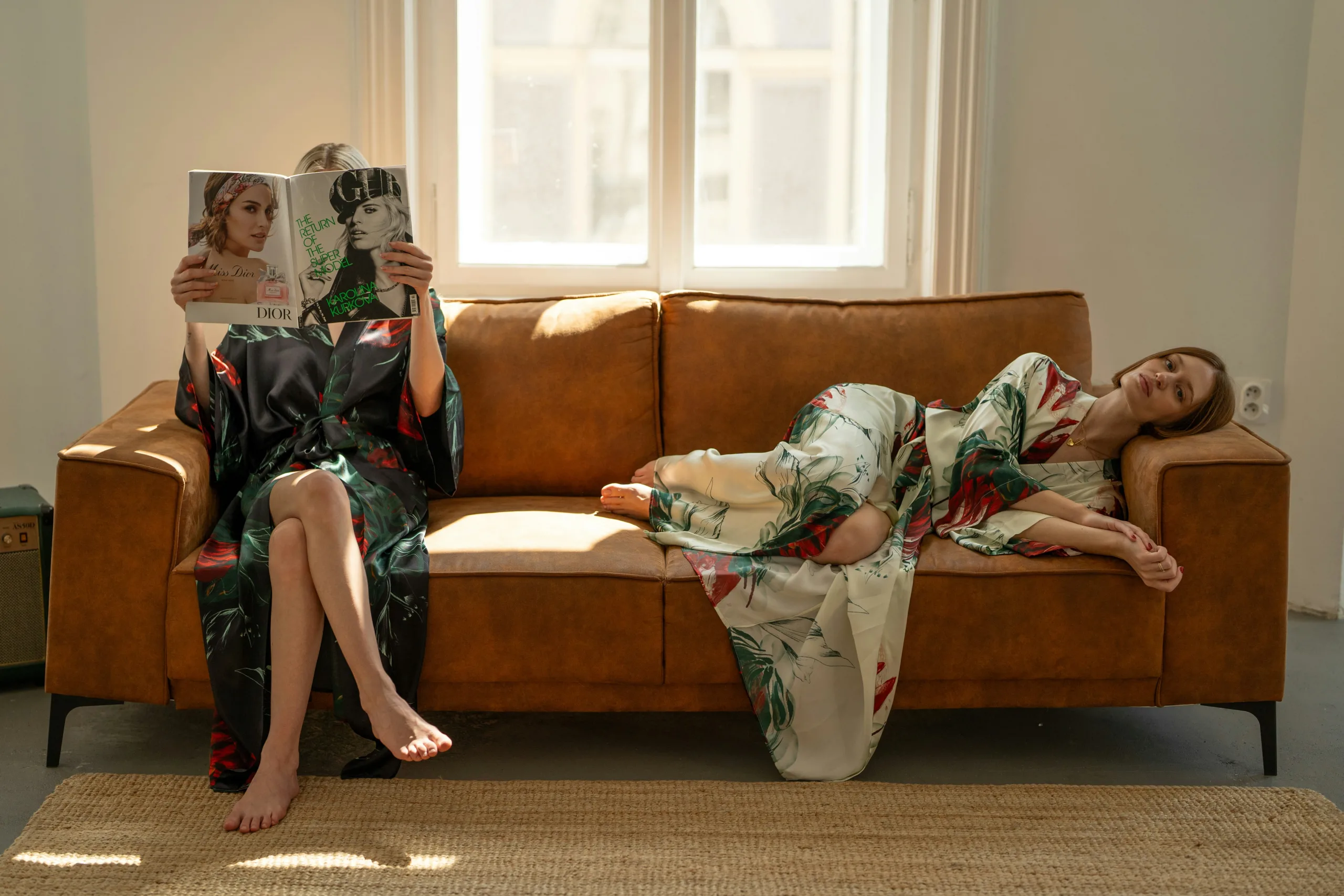
Zagora – We often come across the expression “beauty is pain,” and some even romanticize the idea. The assumption is simple: discomfort must be endured in the name of elegance. But does looking good really have to come at the expense of feeling comfortable?
Fashion was once far more restrictive than it is today. Think of the Victorian era, when corsets shaped the female silhouette at the cost of ease and mobility. Voluminous skirts supported by crinolines or bustles created dramatic elegance, but also physical constraint.
The aesthetic may still appear beautiful in photographs and historical imagery, yet simply imagining wearing such pieces today immediately evokes discomfort. It reflects a time when appearance often took priority over practicality, especially for women.
Over the years, however, fashion gradually evolved alongside changing lifestyles.
As daily life became faster, more mobile, and more demanding, clothing adapted with it. Comfort slowly stopped being seen as incompatible with style. Clothes were no longer expected to only look good, but to function with the body rather than against it.
Dressing for yourself, not for the trend
What matters today is not blindly following every trend, but understanding what genuinely suits us.
A trend may dominate social media for a season, yet still feel uncomfortable or unnatural depending on someone’s body type, routine, or personal style.
Fashion feels different when people stop dressing only for what is popular and begin paying attention to what actually works for them, both aesthetically and physically.
Perhaps this is where the idea of liberated style begins. A style no longer dictated entirely by discomfort, rigid expectations, or the pressure to follow every passing trend. Instead, it becomes something more personal, fluid, and adaptable to real life.
The sweet spot between style and comfort
And yet, discomfort in fashion has not completely disappeared.
High heels remain one of the clearest examples. Many still associate them with elegance, confidence, and sophistication, despite the strain they can place on the body after hours of wear.
The same can be said for overly tight clothing, rigid fabrics, or pieces designed more for appearance than movement.
But even here, balance is possible. A lower heel, for instance, can completely change the experience without taking away elegance.
Block heels often provide more stability than stilettos while maintaining the same polished effect. Softer fabrics, better tailoring, and clothing that actually fits the body rather than forcing it into discomfort also make a significant difference.
If it doesn’t move with you, it doesn’t belong to you
At the same time, comfort itself can be deeply personal. Some people genuinely feel at ease in high heels or structured clothing because it suits their posture, rhythm, and sense of self. What feels restrictive to one person may feel natural to another.
Quality matters too. Two pairs of heels may look almost identical, yet one can feel wearable for hours while the other becomes unbearable within minutes. Fabric, construction, fit, and craftsmanship all influence how comfortable a piece truly is.
Even fashion itself seems to be moving in this direction. Sneakers are now paired with formalwear, oversized tailoring has become stylish rather than careless, and brands increasingly market comfort as part of luxury rather than the opposite of it.
Maybe true style was never meant to feel like punishment. Perhaps the real sweet spot lies in clothes that allow people to feel confident without constantly reminding them of what they have to endure to look good.
Above all, the idea is simple: if the fabric does not move with you, perhaps it doesn’t belong in your closet.