

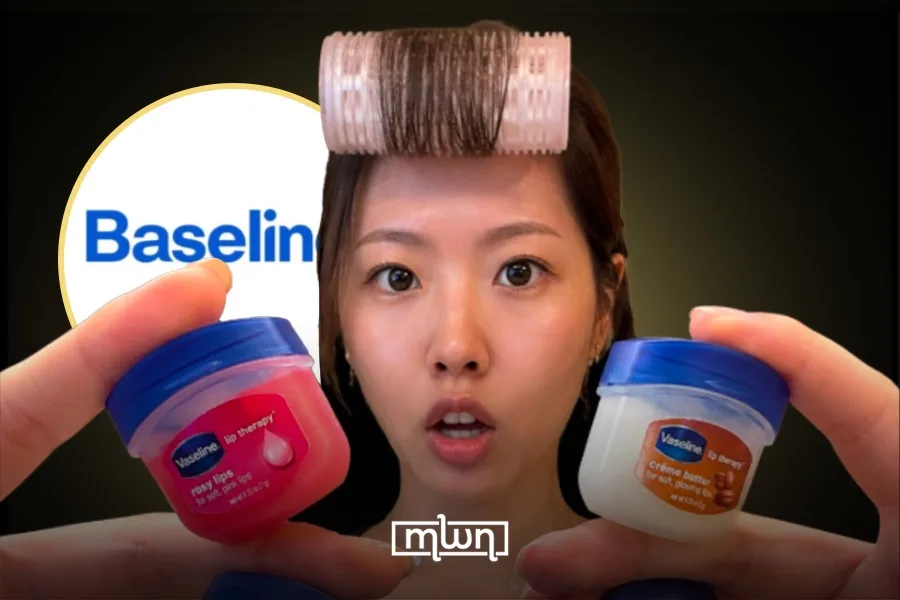
Fez — Vaseline has found itself at the center of a viral internet joke after Korean content creator Min Day Lee pronounced the brand’s name as “Baseline” in a skincare video.
What began as a small pronunciation difference quickly became an international meme. Rather than correct the joke, Vaseline decided to join it, temporarily presenting itself online as “Baseline” and even naming Lee the company’s tongue-in-cheek “CEO.”
How Vaseline became Baseline
The joke started when Lee shared a video showing her collection of Vaseline products. Throughout the clip, she repeatedly pronounced “Vaseline” in a way that sounded closer to “Baseline.”
The unusual pronunciation immediately caught viewers’ attention. The video spread across social media, with users repeating “Baseline” and turning Lee’s pronunciation into a recognizable meme.
The explanation is rooted in differences between English and Korean phonetics. Korean does not have the same “V” sound found in English, meaning foreign words containing the sound can sometimes be pronounced closer to a “B.” Lee later explained that the pronunciation was not unique to Vaseline.
That linguistic detail helped turn what could have been seen as a simple pronunciation mistake into something much more entertaining for the internet.
Vaseline decides to play along
Instead of distancing itself from the joke, Vaseline leaned into the attention.
The brand began using “Baseline” in its social media presence and promotional content, effectively pretending that the 150-year-old skincare brand had undergone an unexpected name change.
It also jokingly appointed Lee as the “CEO of Baseline,” giving the viral creator an imaginary corporate promotion without, of course, actually handing her control of the company.
The playful response transformed the situation from a pronunciation meme into a marketing moment. The brand did not attempt to explain the joke away. Instead, it made itself part of the joke.
Why the joke works
The humor comes from the absurdity of imagining a globally recognized brand suddenly accepting a completely different name because the internet liked one person’s pronunciation.
“Vaseline” and “Baseline” sound close enough to make the joke immediately understandable, while the idea of an established company officially embracing the change makes it even funnier.
The episode also shows how brands can respond when social media creates an unexpected cultural moment. Instead of fighting the meme, Vaseline recognized that audiences were already having fun with it and gave them more material to work with.
For Lee, the moment transformed an ordinary skincare video into a viral breakthrough. For Vaseline, it became an opportunity to show a more playful personality and participate directly in internet culture.
The “Baseline” episode is therefore less about changing a brand name than about understanding how quickly a small linguistic difference can become a global joke. In an online environment where audiences increasingly shape brand conversations, Vaseline’s decision to laugh along may be the most effective part of the campaign.