Rabat – Scientists have formally identified a new species of wild cat in Bolivia, marking the first description of an entirely new living feline species in more than a century.
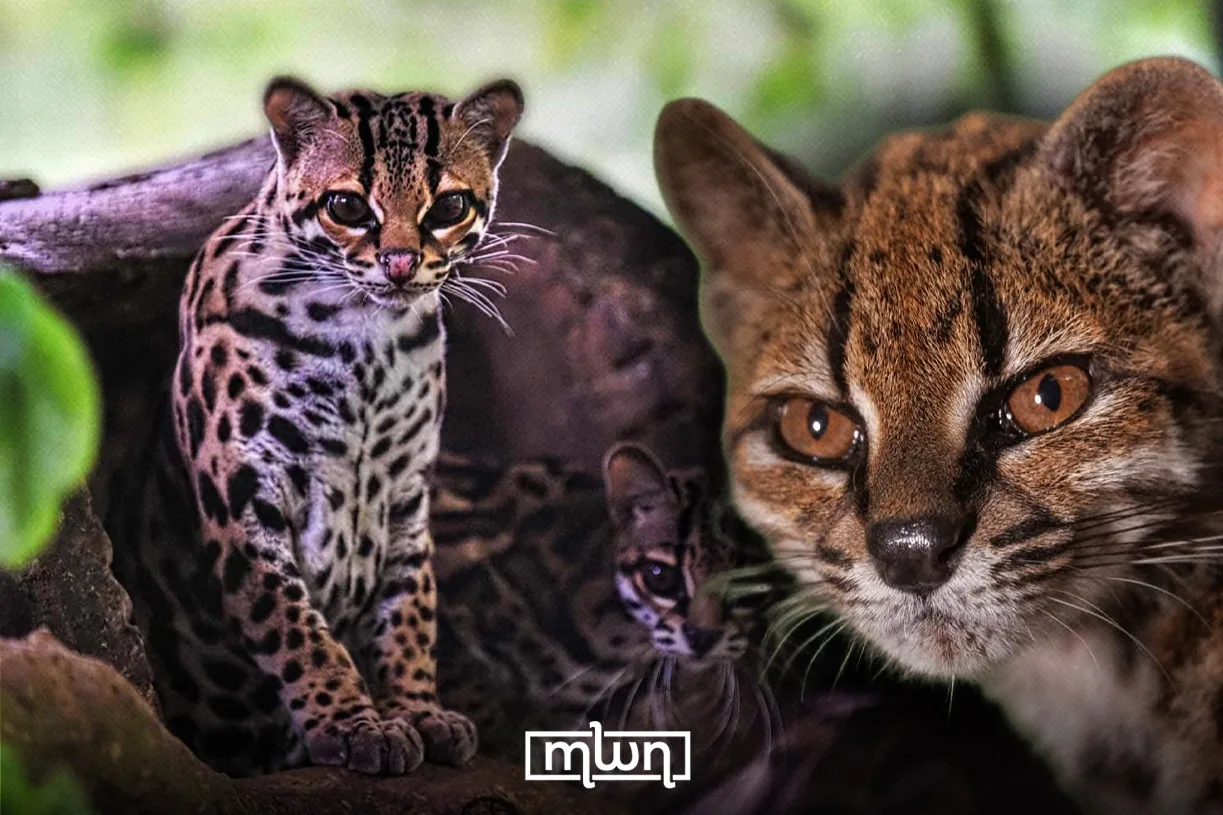
Named Leopardus tilcayo, the small spotted cat inhabits the Yungas cloud forests on the eastern slopes of the Bolivian Andes. The species is smaller than an average domestic cat and has a light-colored coat covered with dark, irregular rosettes.
Researchers detailed the discovery in a study published on September 17 in the scientific journal “Current Biology.”
Not a leopard, but a mini one
According to the findings,ilcayo is part of the tiger cat group, a collection of small wild felines found across South America. At around 46 centimeters long and 1.4 kilograms, it is smaller than the average domestic cat, with light-brown fur covered in irregular dark rosettes.
Its appearance may be shocking to some, but it was not enough to immediately convince researchers that they were looking at something new.

The story of this leopardy discovery started with a biologist and National Geographic Explorer Paola Nogales-Ascarrunz first saw one of the cats at the Senda Verde Wildlife where she initially thought it was a kitten, before realizing that this cute-looking creature isnot a pet, but a wild animal with an innocent face.
The mystery behind the spots
Thankfully genetics exist! Researchers analyzed Leopardus’ DNA from 38 cats from across South America, including specimens preserved in museums. The results showed that the tiger cats scientists had previously grouped together actually represent five genetically distinct species, with the Bolivian cat forming its own lineage.
Genetic evidence suggests that the tilcayo lineage separated from its closest relatives around 1.4 million years ago, long before anyone gave this particular cat its own scientific name. According to the researchers, the tilcayo is the first such feline to be formally named and described in more than a century.
A cat we still barely know
Despite the excitement surrounding its discovery, there is still surprisingly little known about the tilcayo itself. Early evidence suggests the species may be more active at night, while remains found in scat indicate that small rodents could be part of its diet. Beyond that, scientists are still trying to establish basic information about its population, range and behavior.

In other words, scientists have managed to give the little cat a name to be identified with. Now they have to figure out the cat’s morning and night routine.
Why are we so interested in this cat?
Well, cats in general have many fans around the world. Even if it might be a one-sided love for quite a lot of people, the relationship somehow manages to stay healthy.
The Yungas, the house of the tilcayo, is a threatened ecosystem facing pressures of deforestation, agricultural expansion, fires and mining. Researchers have already shared their findings with the International Union for Conservation of Nature, which is expected to reassess the different tiger-cat lineages separately.
That could change how scientists understand the risks facing the species. A population previously considered part of a larger group may turn out to be much smaller and more vulnerable when assessed on its own.
And perhaps that is the most interesting part of the discovery. The tilcayo was not hiding in some unexplored corner of another planet. It was living in a forest ecosystem that scientists have been studying for years. It was there studying us and watching us all this time!
Leopardus tilcayo is something of a mystery now, especially with its tiny build and spotted fur that looks like a leopard but not one, and from the Bolivian clouds that spent millions of years going unnoticed.