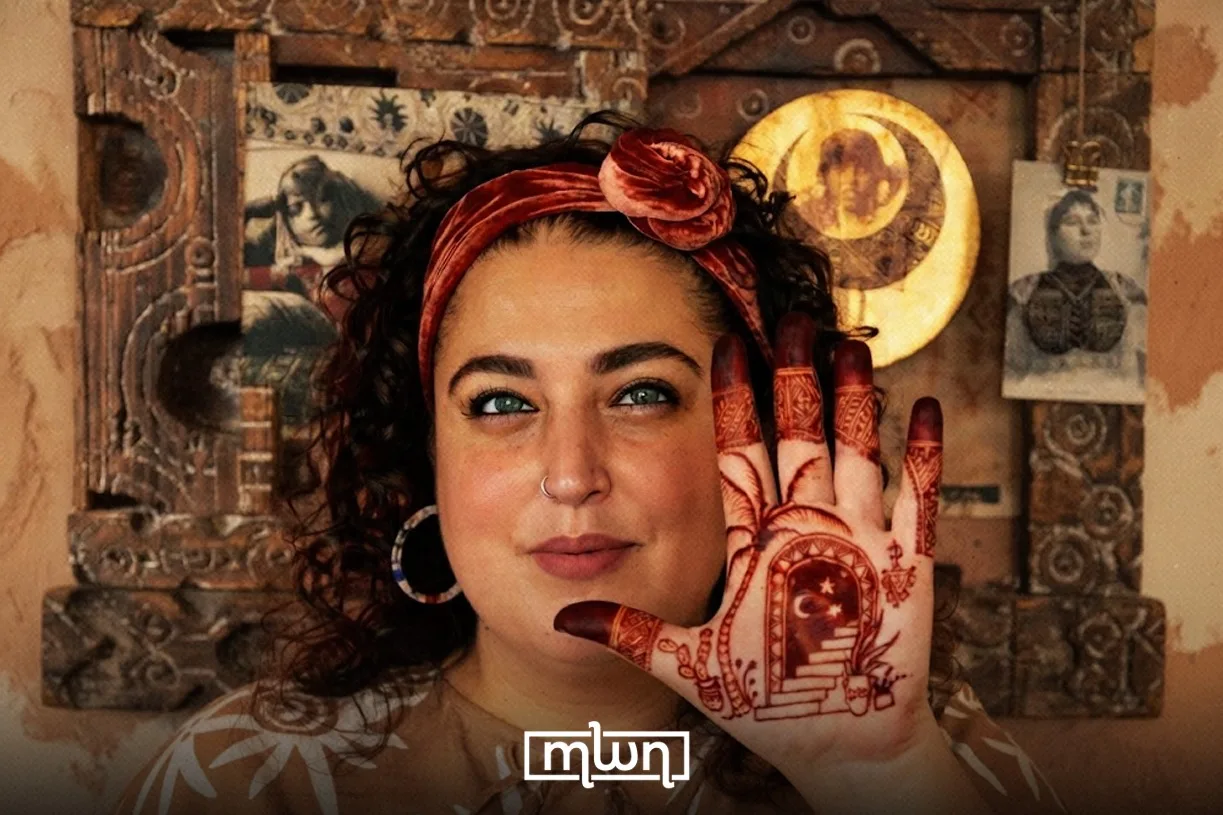
Fez — Colonial photographers turned North African women’s bodies into postcards. A Moroccan artist in the Netherlands is returning to those images with henna, covering exposed bodies with patterns intended to restore dignity and challenge the photographs’ original framing.
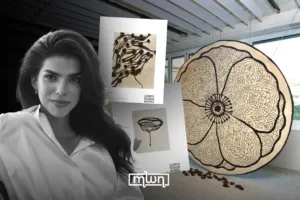
Working under the name “Hand of Fatima,” Fatima Oulad Thami brings the skills of a neqacha, a traditional henna artist, to historical photographs through her ongoing project “Restore the Narrative.”
Her work features in “Heritage and Horizon,” an exhibition opening September 24 at the University of Amsterdam’s “VOX-POP” cultural space. Curated by Mohamed El-Hirech, the presentation explores Moroccan-Dutch identities through art, migration histories and personal experiences.
A different hand on the image
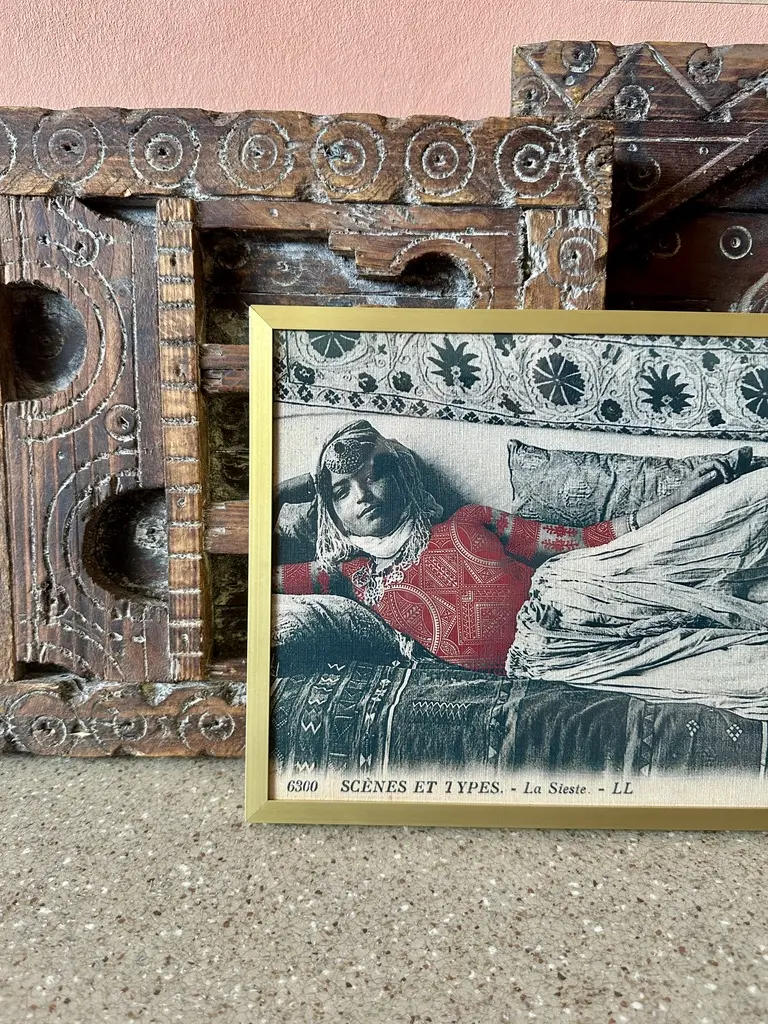
On her website, Oulad Thami describes the postcards as constructed representations that helped circulate colonial stereotypes about North African women.
Her response takes several forms. She works with actual henna paste, draws patterns digitally and sometimes fills her henna syringe with acrylic paint. Some pieces use original postcards beneath additional layers, with henna patterns occupying the uppermost surface.
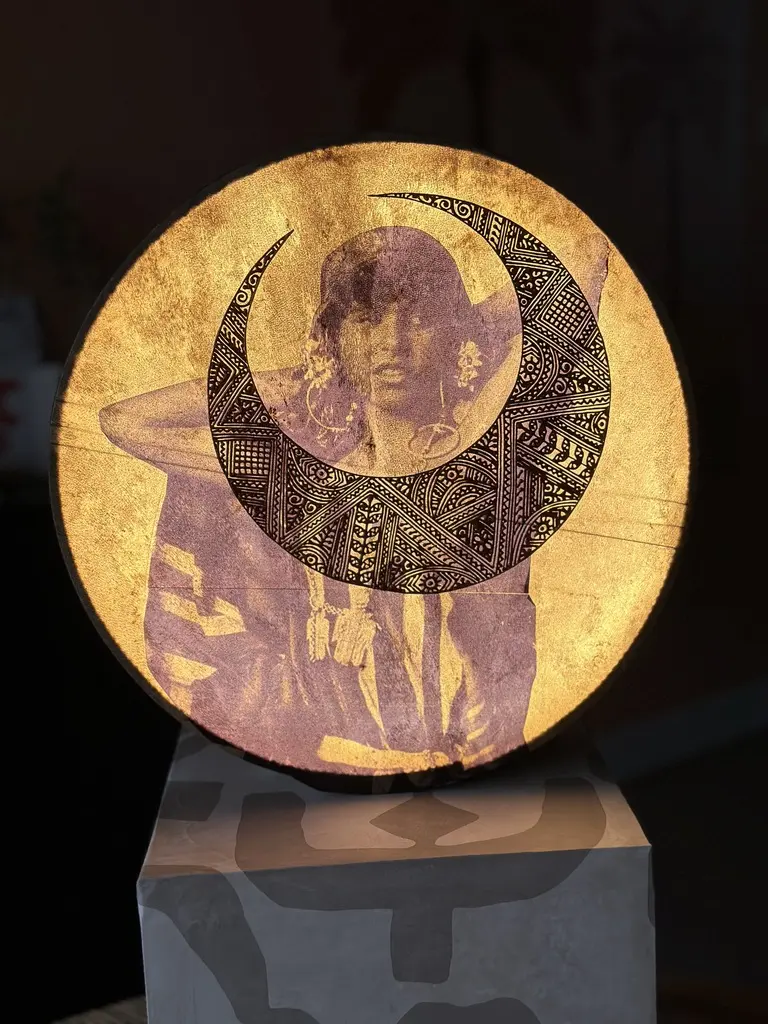
One light-based work incorporates a bndir, a frame drum she associates with women’s singing and poetic expression. The instrument introduces another dimension to photographs whose subjects were presented without their voices.
Oulad Thami’s interest in the images developed after encountering photographs of undressed women at the “Groeten uit de Oriënt” (Greetings from the Orient) exhibition at the “Huis van het Boek” (House of the Book) museum.
A 2024 Creative Industries Fund NL publication traces her movement from wedding commissions and workshops towards a more personal artistic practice. She initially worked with henna to support herself and her son.
“The decorative side is just one side of henna. The symbolic and storytelling side is much bigger than that,” she said in the publication.
Who controls the portrait?
For Oulad Thami, the project also addresses a contemporary contradiction. In her written explanation, she contrasts the sexualised imagery of colonial postcards with present-day assumptions that modestly dressed Moroccan women lack freedom.
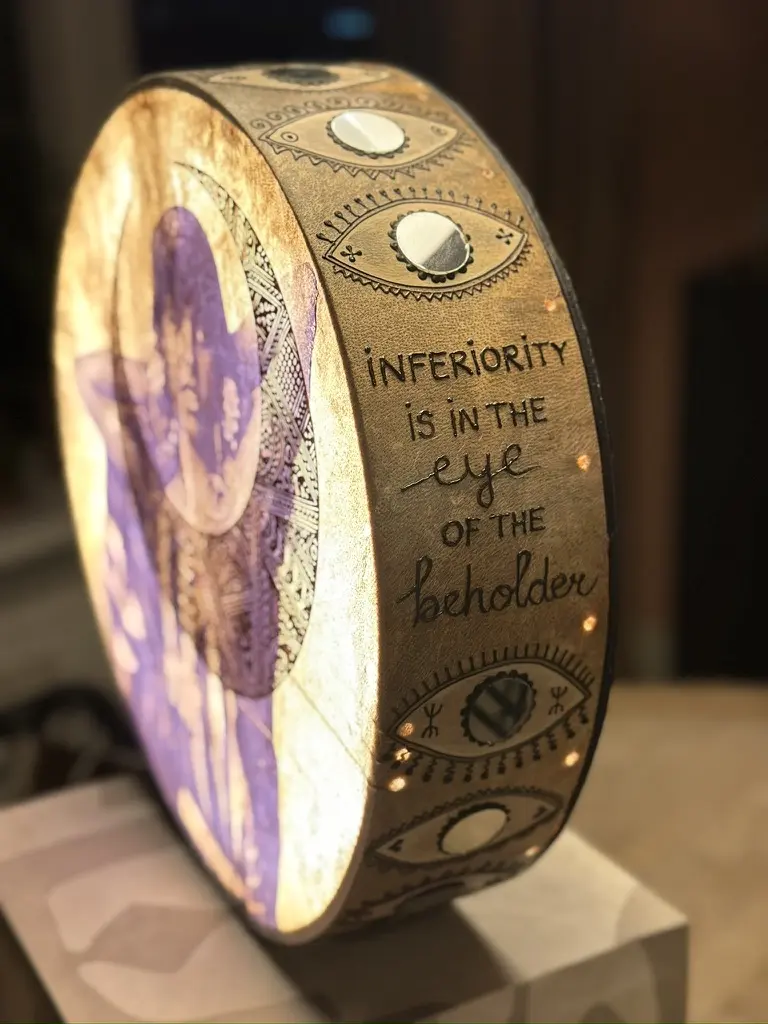
Her concern is the persistence of outsiders deciding what women’s appearance means, without listening to the women themselves.
The Amsterdam exhibition places that question within a broader conversation about belonging, with accompanying activities including a henna workshop, film screening and panel discussion.
Through Oulad Thami’s interventions, an inherited Moroccan craft becomes a means of answering an inherited image. The photograph remains visible, but another woman now has a hand in how it is read.