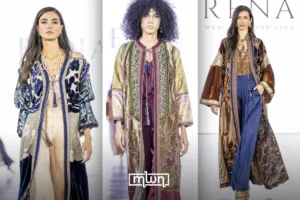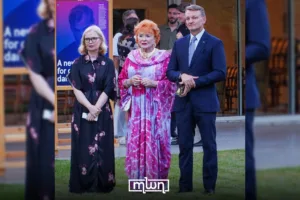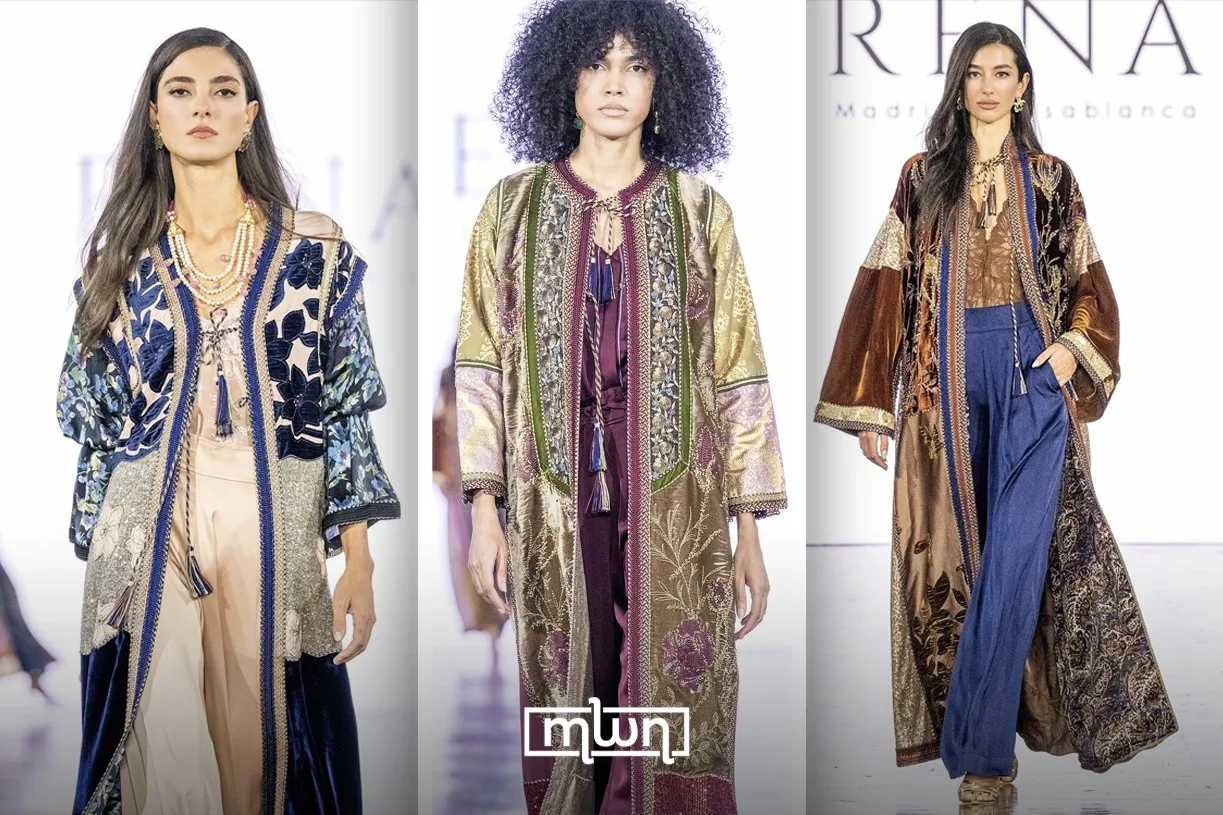
Casablanca – Milan Fashion Week kicked off on September 23, and the Moroccan caftan was there to make an entrance of its own as Moroccan designer Khadija Chraibi brought her latest collection to Milan’s Leonardo da Vinci Museum.
Chraibi presented the collection as part of the Oriental Fashion Show, putting Moroccan craftsmanship in front of an international fashion audience.
The show also featured Oman’s Yoland Fashion House and Turkmenistan’s Göwher Gouvernet, bringing three distinct fashion traditions into the same space.
Each collection carried its own visual language, turning the runway into a meeting point for different cultures and their approaches to dress.
But let’s talk about the Caftan for a moment.
The craft behind the caftan
There is something about a Moroccan caftan that makes it difficult to mistake for anything else. The embroidery, intricate buttons, hand-finished details, rich fabrics, and distinctive silhouettes carry generations of craftsmanship in every piece.
That craftsmanship is not simply decorative. The caftan is deeply woven into Moroccan social life, appearing at weddings, celebrations, religious occasions, and other important milestones.
Its creation also brings together weavers, tailors, embroiderers, and other artisans whose skills are passed from one generation to the next.
That living tradition earned international recognition in 2025, when UNESCO inscribed “Moroccan Caftan: art, traditions and skills” on the Representative List of the Intangible Cultural Heritage of Humanity.
That history gives the garment a presence that goes beyond fashion.
From Moroccan celebrations to global runways
Chraibi’s collection shows how that heritage can move with the times. The traditional elements remain visible, but they meet contemporary cuts, proportions, and styling that give the caftan a fresh presence without stripping away what makes it Moroccan.
And that balance is part of the caftan’s charm. It can feel deeply familiar at home while still looking striking on an international runway.
From family celebrations in Morocco to fashion stages abroad, the garment continues to travel without leaving its identity behind.
In Milan, Chraibi’s collection offered another glimpse of what happens when centuries-old craftsmanship meets a modern fashion audience.
Because the caftan does not need to become something else to belong on the world stage. It simply needs the space to be seen.
Read Also: Imane Belmkaddem Brings ‘Eyes of Women’ to the European Fashion Scene