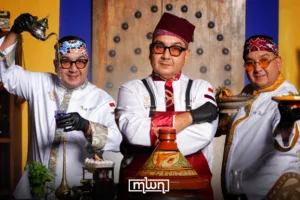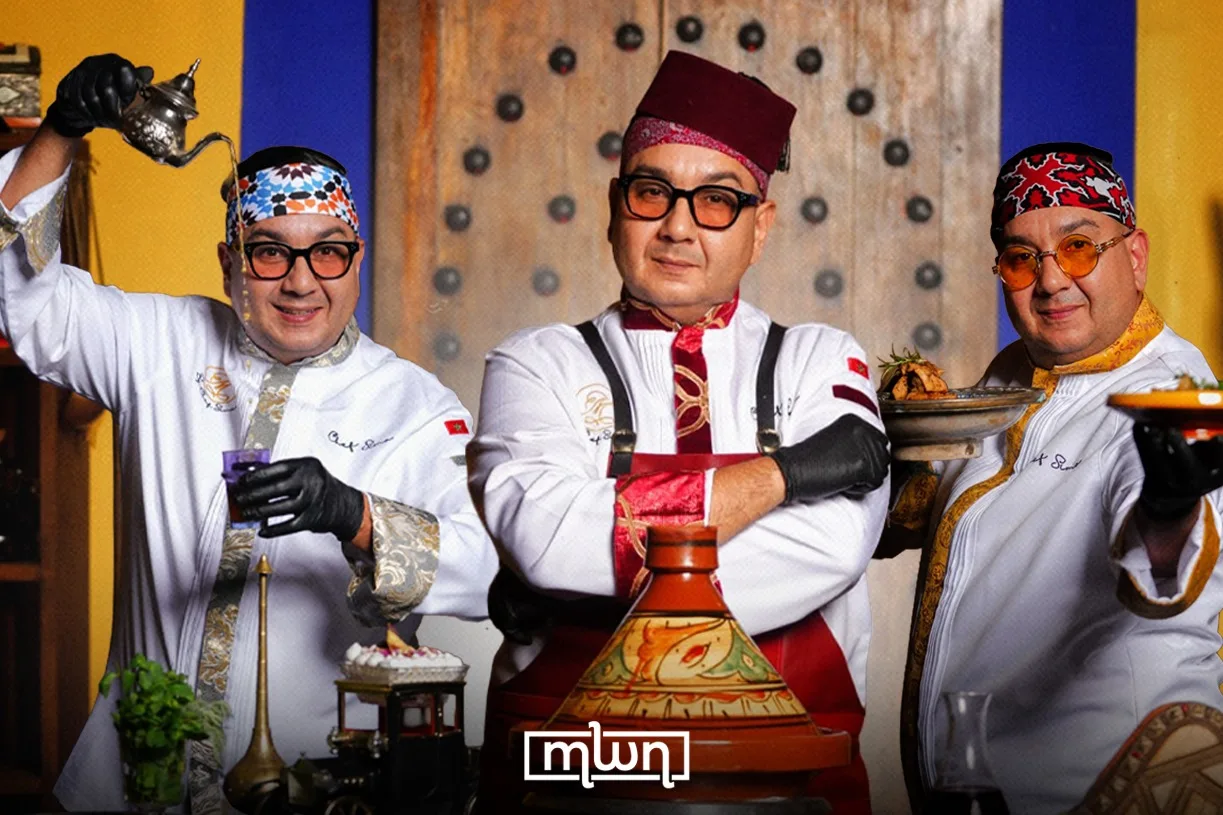
Rabat — Long before television audiences knew him as Chef Simo, Mohamed M’himdat had spent years abroad working in hospitality and absorbing culinary traditions far beyond Morocco.
Then came “MasterChef Maroc.” His victory in the fourth season in 2018 brought national recognition and turned a long relationship with food into a profession.
For Chef Simo, though, the decision to build that profession in Morocco was never simply about returning home. It was about what he believed Moroccan cuisine could become internationally.
“My years abroad gave me invaluable exposure to international hospitality standards and diverse culinary traditions. Yet, I always felt a deep pull toward Morocco, its flavors, its markets, and the warmth of its food culture,” Chef Simo told MWN Lifestyle magazine.
Winning “MasterChef Maroc,” he said, gave him the confidence to treat cooking as more than a skill he had developed over the years.
“I wanted to prove that our dishes could be celebrated with the same prestige as French or Italian gastronomy, while still remaining authentic and soulful,” he explained.
𝗔 𝗯𝗼𝘄𝗹 𝗼𝗳 𝗿𝗳𝗶𝘀𝘀𝗮 𝗰𝗮𝗿𝗿𝗶𝗲𝘀 𝗺𝗼𝗿𝗲 𝘁𝗵𝗮𝗻 𝗮 𝗿𝗲𝗰𝗶𝗽𝗲
For all the international influences that later entered his cooking, one of Chef Simo’s strongest culinary references remains much closer to home.
The dish is rfissa, the Moroccan combination of chicken, lentils, fenugreek, and torn msemen or trid that is often associated with family gatherings and moments of care.
“My mother taught me how to prepare Rfissa, a traditional dish of chicken, lentils, and fenugreek served over msemen or trid,” he recalled.
What stayed with him was not simply how the dish tasted.
“That sense of care and tradition influences everything I cook today. It reminds me that food is never just about ingredients; it is about memory, family, and the emotions we share around the table,” Chef Simo said.
That idea runs through much of his work today. Food can change shape, travel, or encounter another culinary tradition, but he still wants it to carry something recognizable from where it began.
𝗛𝗼𝘄 𝗳𝗮𝗿 𝗰𝗮𝗻 𝘁𝗿𝗮𝗱𝗶𝘁𝗶𝗼𝗻 𝗯𝗲𝗻𝗱
That question became especially visible with one of his most discussed creations, couscous with beef bourguignon.
The dish brings together two traditions that many diners might instinctively keep apart. Chef Simo knew the combination would provoke reactions.
“For me, innovation must always begin with respect. Moroccan cuisine is built on centuries of tradition, and I never want to erase that,” he said.
His approach to fusion is not to replace Moroccan cooking with something foreign. Instead, he treats the plate as a meeting point.
“In the case of couscous with beef bourguignon, I wanted to show how two culinary heritages, Moroccan and French, could converse on the same plate,” Chef Simo explained.
The dish later became part of his culinary series “Safran & Saveurs by Chef Simo,” which launched on TV5MONDEplus in February 2025. The 10-episode series moves between Moroccan food and influences from France, Italy, India, Senegal, Côte d’Ivoire, and elsewhere.
Chef Simo says the parts he refuses to lose are less about rigid recipes than the character of Moroccan cooking itself.
“What I preserve are the soul and techniques of Moroccan cooking, the spices, the slow simmering, the communal spirit,” he said.
𝗠𝗼𝗿𝗼𝗰𝗰𝗼 𝗯𝗲𝘆𝗼𝗻𝗱 𝗰𝗼𝘂𝘀𝗰𝗼𝘂𝘀 𝗮𝗻𝗱 𝘁𝗮𝗴𝗶𝗻𝗲
For Chef Simo, taking Moroccan food abroad also means challenging the narrow picture many international audiences still have of it.
Couscous and tagine may be the most recognizable names, but they represent only a fraction of the country’s culinary landscape.
“I wish they understood the diversity of regional specialties, from the seafood of Essaouira to the saffron of Taliouine, from Amazigh traditions to Andalusian influences,” he said.
He describes Moroccan cuisine as something shaped by geography, migration, history, and hospitality.
“Moroccan cuisine is a mosaic of cultures, histories, and climates,” Chef Simo explained.
Through “Safran & Saveurs,” he wants viewers to see Moroccan food as something more complex than the familiar language often used to market it abroad.
“My goal is to show that Moroccan food is not just exotic or ‘spicy’; it is refined, balanced, and endlessly creative,” he said. “It deserves to be part of the global conversation on gastronomy.”
𝗪𝗶𝗻𝗻𝗶𝗻𝗴 𝘄𝗮𝘀 𝗼𝗻𝗹𝘆 𝘁𝗵𝗲 𝗯𝗲𝗴𝗶𝗻𝗻𝗶𝗻𝗴
The years after “MasterChef Maroc” have taken Chef Simo through restaurants, television, social media, consulting, and culinary projects.
The visibility of winning a major television competition helped, but he does not describe that moment as a guarantee of anything that followed.
“The hardest part has been sustaining momentum. Winning a competition gives visibility, but building a career requires consistency, resilience, and vision,” he said.
That meant learning to move between creativity and business while protecting the identity that brought audiences to him in the first place.
“I had to learn how to balance creativity with business, how to remain authentic while adapting to different platforms,” Chef Simo explained.
His ambitions now stretch beyond a single program.
He hopes “Safran & Saveurs” can continue through additional seasons and says he also wants to develop “L’Afrique à Table,” a program celebrating food cultures across the African continent.
For Chef Simo, both ideas lead back to the same goal that motivated his return to Morocco after years abroad.
“Ultimately, I want to be remembered as someone who carried Moroccan and African flavors proudly into the global spotlight,” he said.
That ambition may be international, but the foundation remains remarkably intimate. It begins with a mother teaching her son how to make rfissa, with the smell of Moroccan markets, and with the belief that tradition can travel without losing the memories that gave it meaning.