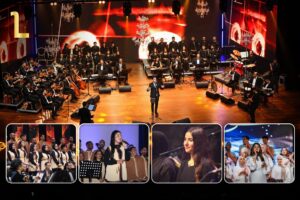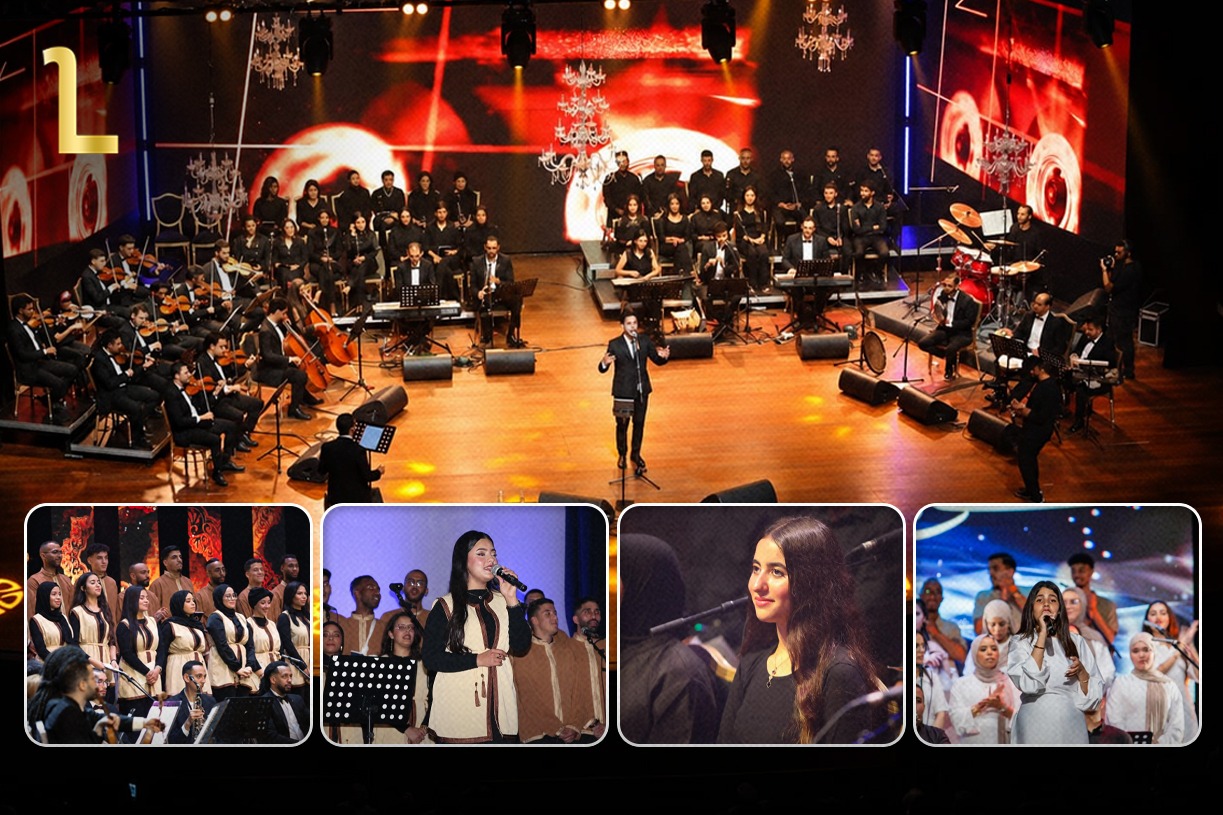
Casablanca – Chorale Salé is bringing Moroccan Malhoun and Arabo-Andalusian music back to the city with the opening of its 2026-2027 season on October 10 at Salé’s Complexe Culturel Saïd Hajji.
The new season puts children and young people at the heart of the ensemble’s vision, with a program designed to introduce younger generations to Moroccan musical heritage while giving them room to develop their own voices.
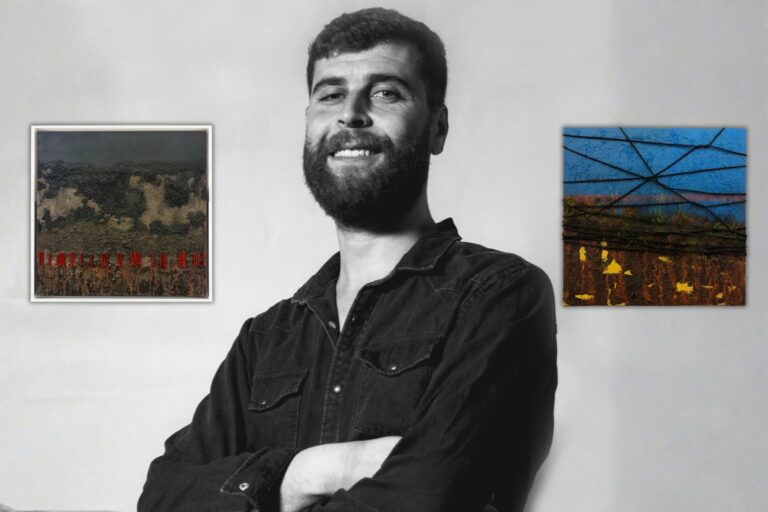
“For us, working with children and young people is essential because musical heritage only remains alive when it is transmitted, understood and reinterpreted by a new generation,” Khalid Laghrib, president of Chorale Salé, told MWN Lifestyle magazine.
For Laghrib, that transmission goes beyond simply teaching young singers old songs. The goal is to help them understand the repertoire, build confidence, develop their voices, and become part of the next generation shaping Morocco’s musical heritage.
Three paths, one musical vision
The new season brings together three artistic tracks, each designed for a different audience and purpose.
Angham focuses on young people, focusing on offering collective singing and vocal development across different musical styles. Assala turns toward Malhoun, Moroccan heritage, and the country’s rich Arabo-Andalusian repertoire.
Then there is Baraem, a program created specifically for children. It combines artistic education, group performance, and talent discovery, giving younger singers an early introduction to the world of music and performance.
The program also extends beyond the regular rehearsals. Chorale Salé will organize workshops and masterclasses, produce special concerts, and welcome young musicians and talents,
The ensemble has also started connecting with music festivals and networks in Morocco and abroad, opening the door to artistic exchanges and future collaborations.
An accessible cultural space
For Laghrib, Chorale Salé was never meant to be simply a place where people gather to sing.
The academy grew from a desire to create a structured and accessible cultural space in Salé where children, young people and adults can train, rehearse, perform and meet professional artists and teachers.
“Salé has a very rich cultural identity, but many young people have talent without always having a continuous framework in which to train, rehearse, perform and meet professional artists and teachers,” Laghrib explained.
That approach makes the academy as much about artistic development as it is about performance. Members can gain vocal training, stage experience, confidence and teamwork skills while discovering different sides of Morocco’s musical identity.
And that collective format matters
Why collective singing actually matters
“When a traditional Moroccan piece is sung by a choir, every singer becomes responsible not only for their own voice but also for listening to the others,” Laghrib told MWN Lifestyle magazine.
Through that process, he elaborated, young singers learn to breathe together, find harmony, and understand that the strongest performance does not always come from one voice standing out.
There is also a deeper meaning behind that shared sound. Hearing many young voices sing the same Moroccan repertoire turns heritage from something inherited into something actively shared.
From first rehearsal to future stages
Chorale Salé also wants to leave the door open for young members who discover that music can be more than a hobby.
Not everyone who joins needs to pursue a professional career, Laghrib stressed. The academy also sees music as a way to build confidence, discipline, teamwork, cultural awareness, and a sense of belonging.
At the same time, the academy hopes to identify young people with the talent and commitment to take their artistic journeys further.
“A young person may join as a choir member and later discover that they have potential as a solo singer, musician, performer, or even in another area of the performing arts,” Laghrib said, pointing to the association’s broader vision to make the youth proud of their heritage while also having the tools to carry it forward.
Ultimately, the long-term goal is to establish Chorale Salé as an artistic platform where education, heritage, talent development, and professional opportunities can meet.
Keeping Moroccan music moving
At its heart, Chorale Salé’s identity rests on a simple idea: Morocco can preserve its musical memory without keeping it frozen in time.
Its repertoire brings together Malhoun, Arabo-Andalusian heritage, Moroccan and Arabic songs, and cross-cultural projects, while its contemporary presentation aims to make that heritage accessible to different audiences.
And that may be the most interesting part of Chorale Salé’s new season. It’s not simply asking young people to remember where Moroccan music comes from. It’s giving them the chance to decide where its next voice goes.
Read Also: YO! Fest Opens the Door to Global Sounds and Creative Exchange