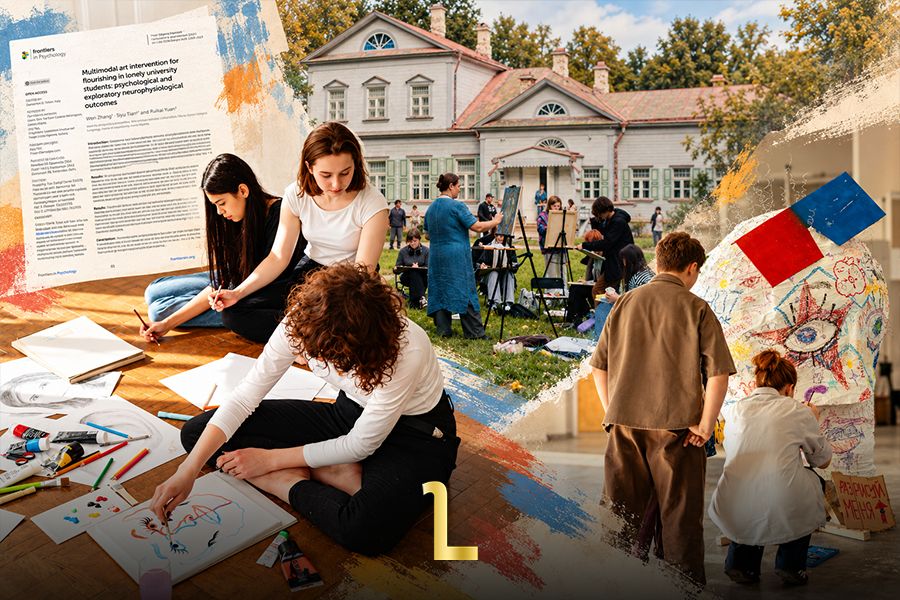
Fez — Painting, listening to music and sharing creative work could offer university students more than a break from their studies.
Researchers in China examined whether group creative activities could improve wellbeing among students reporting elevated loneliness. Their findings appeared in “Frontiers in Psychology” on September 29.
The trial involved 60 students, randomly divided between an eight-week arts program and a waiting-list group.
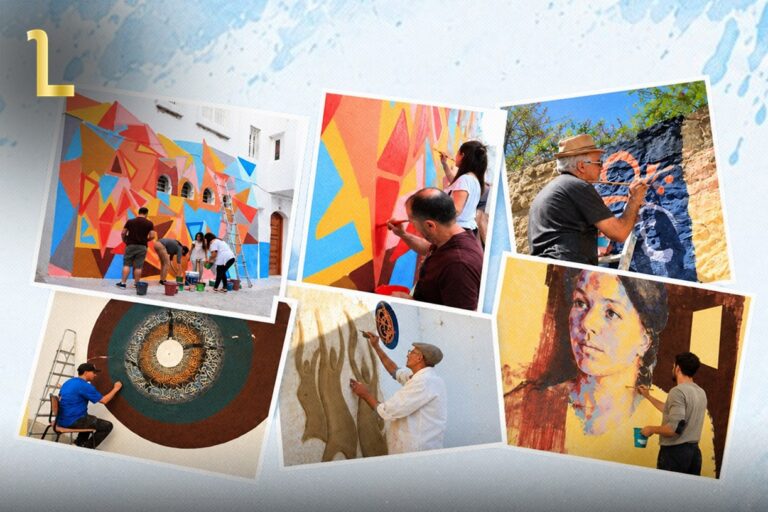
Weekly sessions combined guided music listening, visual creation, movement or role-play, and group discussion. Participants in the program showed improvements in positive feelings and psychological flourishing, a measure of how well people feel their lives are going.
Creativity and connection
The findings fit within a wider field of research exploring how cultural participation relates to health.
A 2019 review from the World Health Organization (WHO) assessed evidence from more than 3,000 studies covering arts engagement across different stages of life.
It identified potential contributions to health promotion and the management of illness. However, the evidence included very different research methods, from small exploratory projects to randomised trials. Those differences matter when judging how confidently a finding can guide practice.
What the trial leaves unanswered
The new study remains small. Its waiting-list comparison cannot establish whether improvements came from the artistic activities, regular social contact, or their combination.
It also does not establish that an ordinary painting class would produce the same results as a structured, facilitated program.
For universities considering creative activities, the practical questions extend beyond providing materials. Who feels comfortable joining? Can students attend regularly? Does the setting encourage participation without making artistic ability a condition of belonging?