

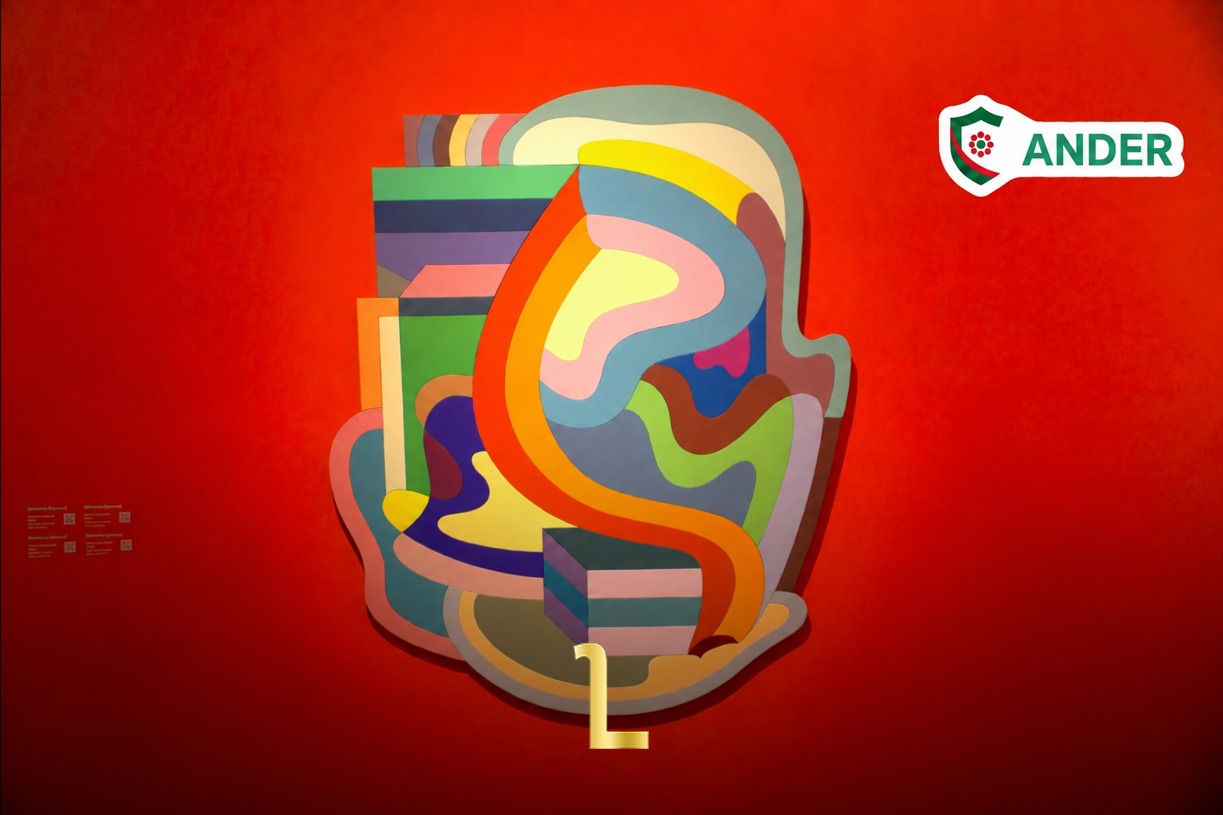
Fez — Morocco’s Ministry of Youth, Culture and Communication has launched “ander.ma,” a digital platform designed to strengthen the documentation, traceability, and authentication of artworks.
The Culture Department announced the platform as part of a broader effort to support the cultural sector’s digital transformation and protect artistic creation from forgery and illicit circulation.
The initiative follows working sessions held in 2024 and 2025 involving the Ministry of Youth, Culture and Communication, the National Foundation of Museums, the Ministry of Justice, the General Secretariat of the Government, the Supreme Council of the Judicial Power, art professionals, and other partners.
Building a digital record of Moroccan art
At the center of “ander.ma” is direct participation from visual artists, who can contribute documentation about their own creations.
Artists can upload photographs of paintings, sculptures, installations, and digital works, creating a visual catalogue linked to each piece.
The platform also allows supporting material to be archived, including exhibition catalogues, posters, invitations, and press articles.
Together, these records are intended to create a reference database that can be consulted when questions arise over an artwork’s history or authenticity.
That could prove particularly useful during sales, exhibitions, inheritance cases, or requests for certificates of authenticity.
By connecting an artwork with photographs and documentation provided by its creator, the platform gives galleries, auction houses, and other professionals another point of reference when assessing works entering the market.
An alert system for suspicious works
“ander.ma” also includes a reporting mechanism for artworks suspected of being falsified or counterfeit.
A report can trigger further examination against documents already stored in the archive, helping identify inconsistencies between a disputed work and an artist’s documented catalogue.
The ministry stressed that the platform is intended as a verification and prevention tool rather than a replacement for scientific, technical, or legal expertise.
Its effectiveness will also depend on participation. As more artists add their work and supporting records, the database is expected to become increasingly useful for cross-checking works moving through Morocco’s art market.
The launch places digital documentation at the center of a wider effort to protect creators, rights holders, and buyers while improving transparency in Morocco’s growing art sector.