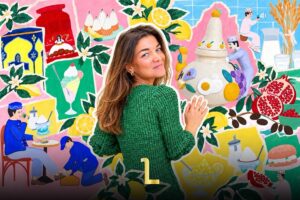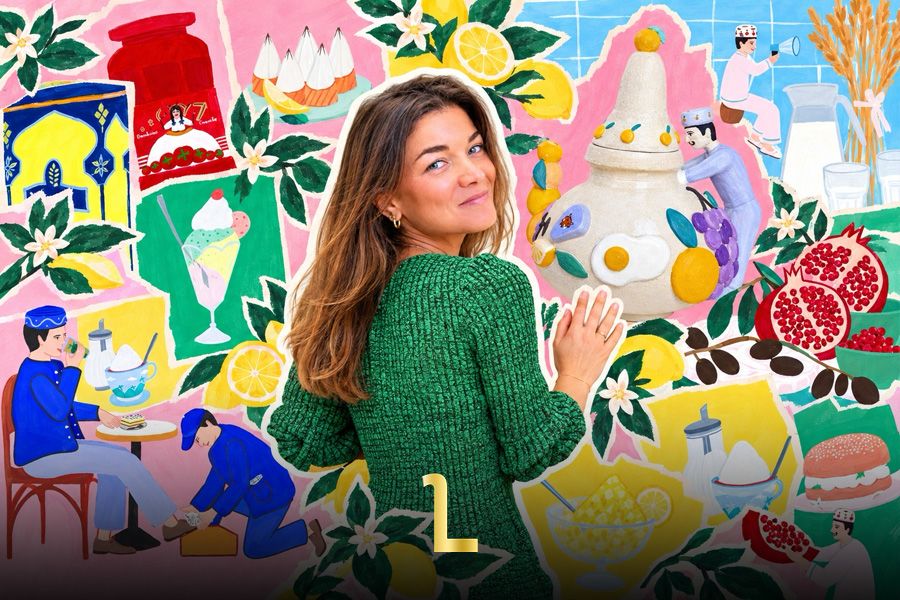
Fez — Fried eggs appear on teapots, cakes become textile works, and neighborhood shops take on dreamlike colors in the world of French-Moroccan artist Myriam Lemon (Anaëlle Myriam Chaaib).
The self-taught artist and illustrator has turned everyday scenes from Morocco into ceramics, paintings, and tufted works filled with food, family memories, landscapes, and ordinary characters.
Her path into art, however, began with a different plan.
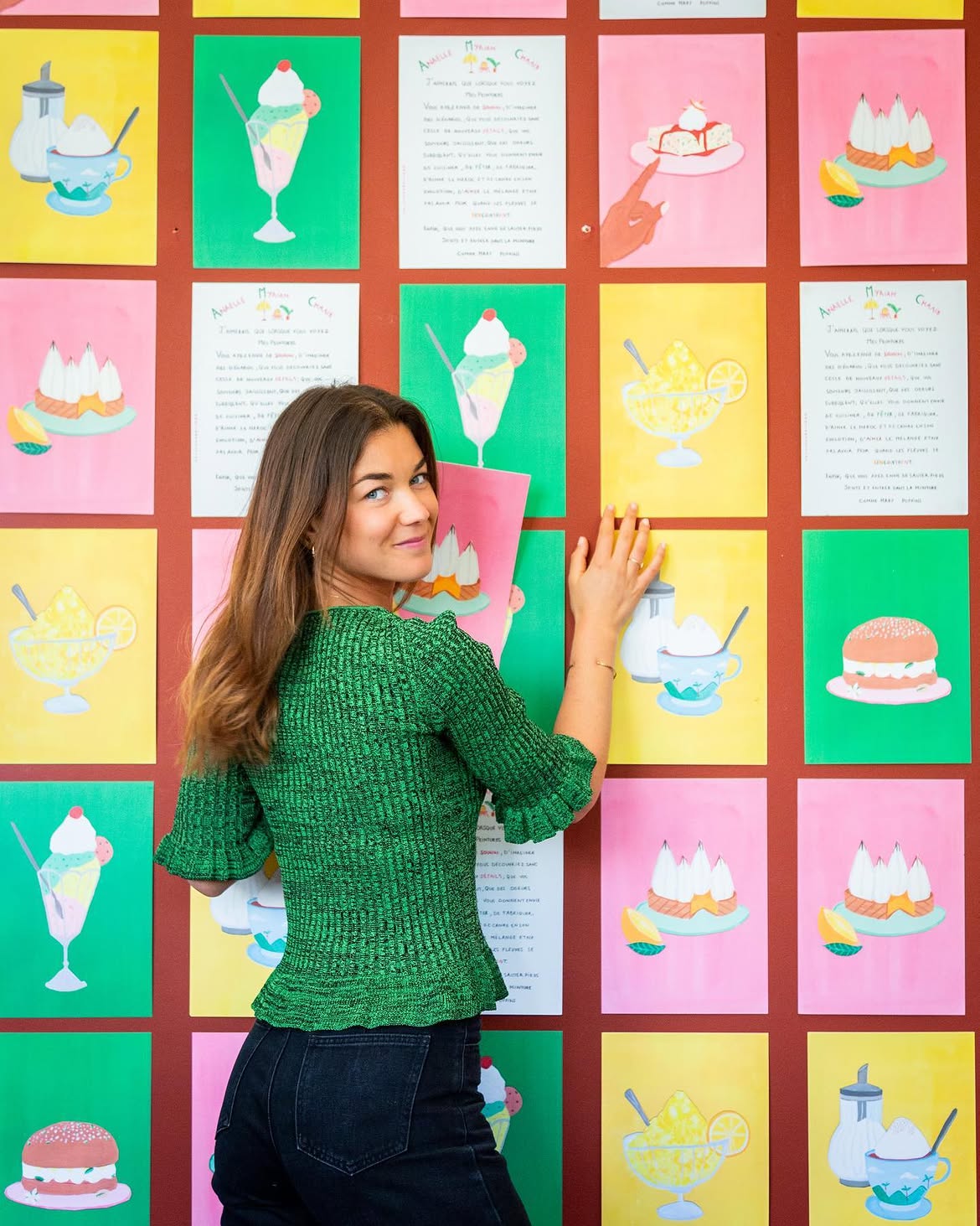
Lemon studied business and pastry making in Lille before moving to Tangier, intending to open a pastry shop. While waiting for renovation work to finish, she returned to drawing and began developing the visual language that now defines her practice, according to a new profile by Creative Boom published on October 2.
Morocco becomes the subject
Living in Tangier gave Lemon both time and subject matter.
She has said the move created a stronger need to explore her French-Moroccan identity through art, drawing inspiration from Morocco’s colors, landscapes, history, and mixture of African, Arab, and European influences.
Her work does not focus only on monuments or postcard imagery.
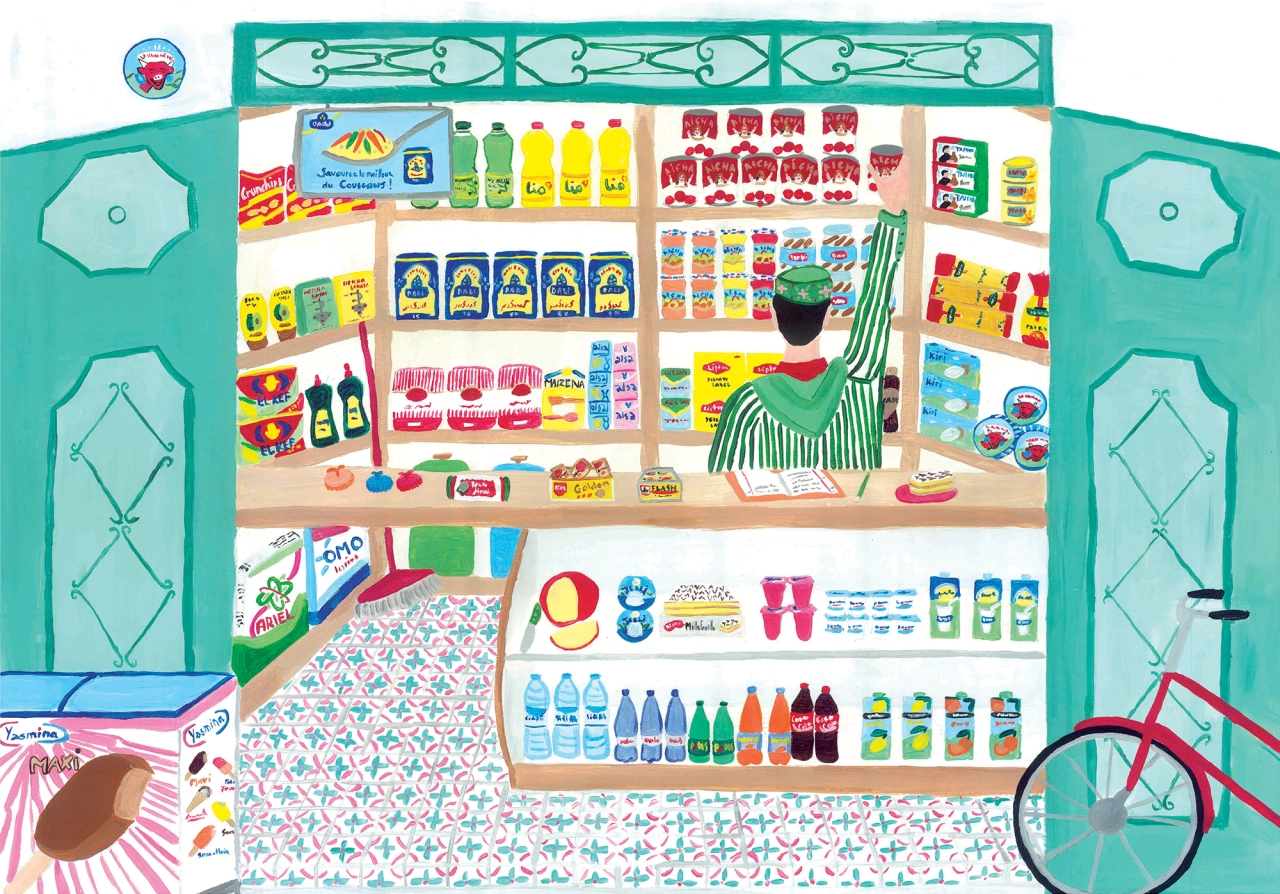
A grocer stands inside a small hanout surrounded by shelves and everyday products. A shoe shiner kneels beside a customer. Other works feature Chefchaouen, donkeys, kitchens, cakes, fruit, and family scenes recalled through conversations with relatives.
Food remains especially present, creating a visible connection with Lemon’s background in pastry.
Works described in the profile include “Breakfast Teapot,” a ceramic piece decorated with fruit and a fried egg, as well as an illustration showing a chef preparing rows of lemon tarts.
Looking beyond familiar images of Morocco
Lemon’s work also pushes against narrow visual clichés about the country.
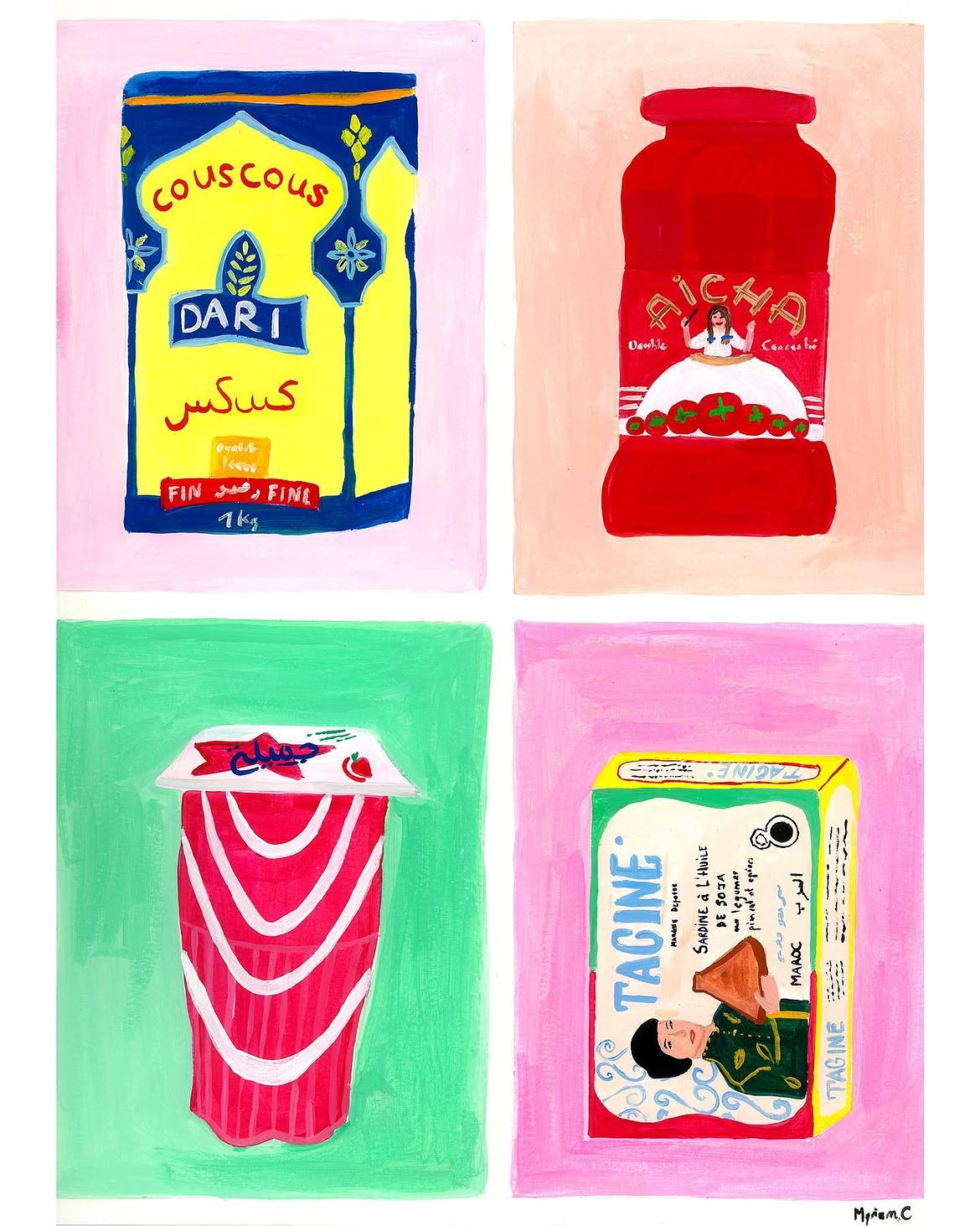
She wants to show a greener and more varied Morocco rather than reducing it to familiar images of deserts and camels. Landscapes, whitewashed houses, neighborhood businesses, women, animals, and domestic scenes become part of that alternative visual vocabulary.
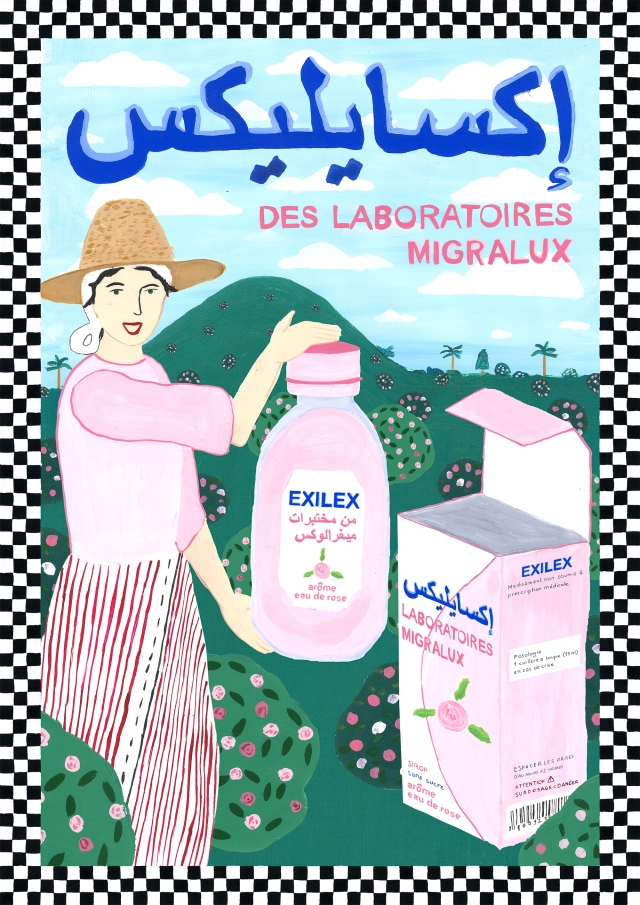
Her process often begins with observation. Walks, supermarket visits, travel, cooking, and conversations can become sketches before being developed into paintings, ceramics, or textile pieces.
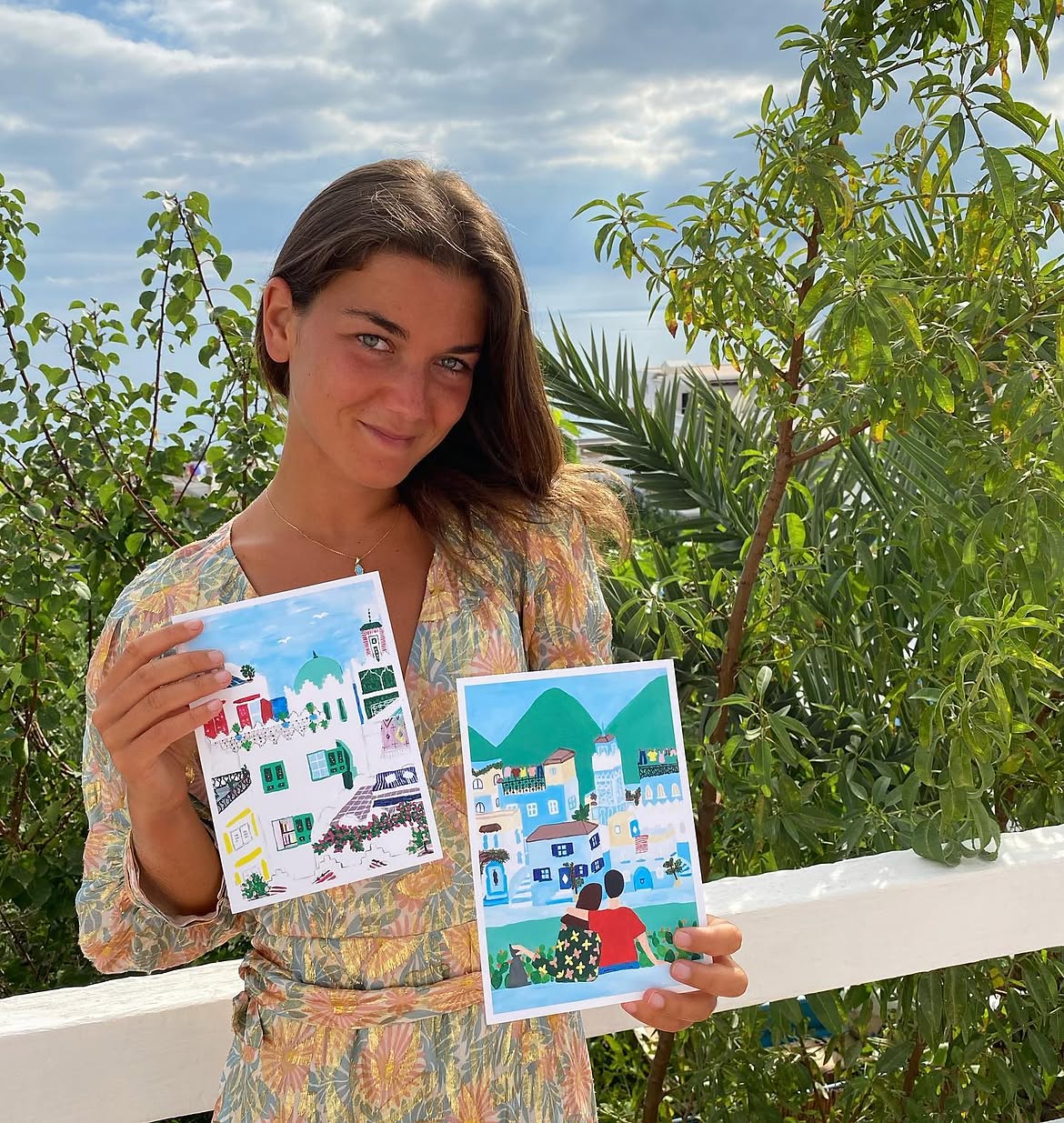
The artist has described her work as an attempt to build bridges between the two cultures that shape her identity and to challenge stereotypes she encountered while growing up in France.
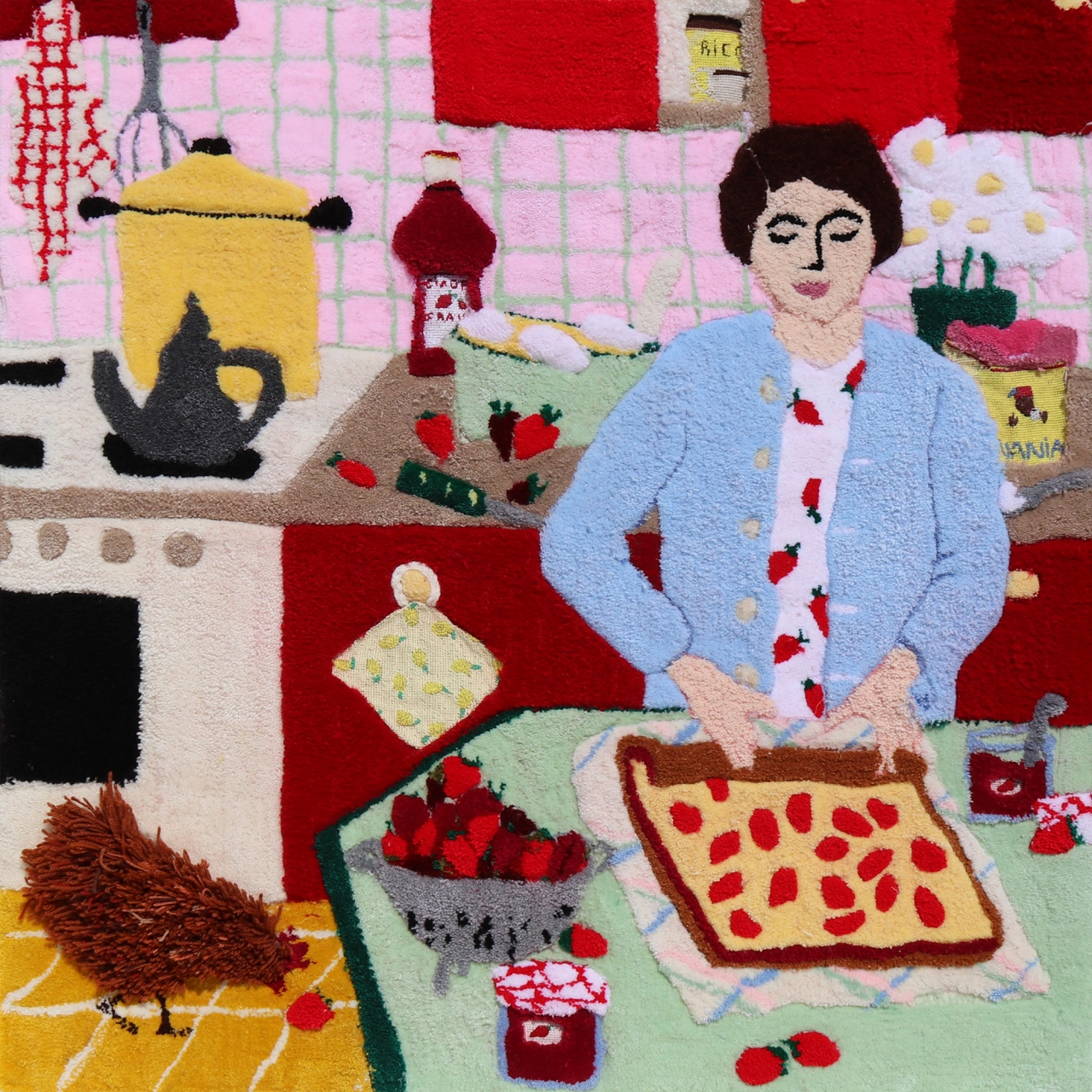
That combination of humor, memory, food, and ordinary Moroccan life gives Lemon’s work its distinctive character.
What began as drawing during delayed renovations in Tangier has grown into an artistic practice where the everyday becomes imaginative, and where Morocco is represented through details that are familiar, personal, and deliberately removed from cliché.