Rabat – Time travel may not be possible, but when it comes to fashion, things seem to be a little different. Lately it feels as if we’ve stepped back into earlier decades, with retro looks, boho and disco-style jeans, vintage pieces from the 1950s, 70s and 90s, and the polished “old money” aesthetic.
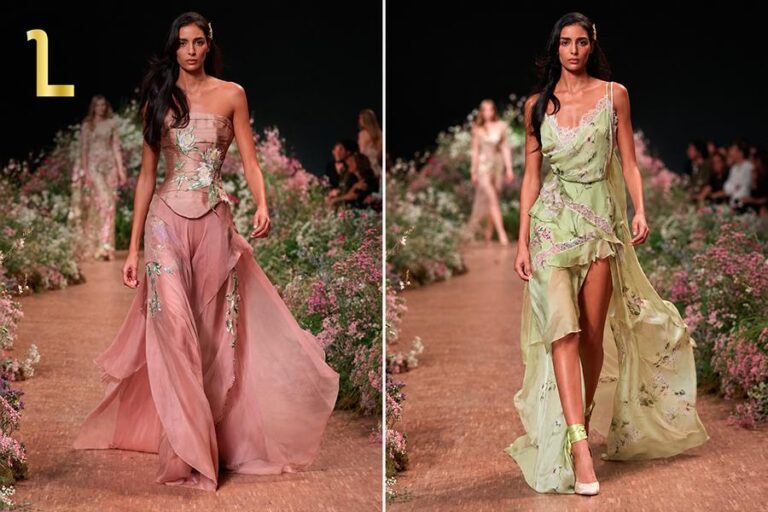
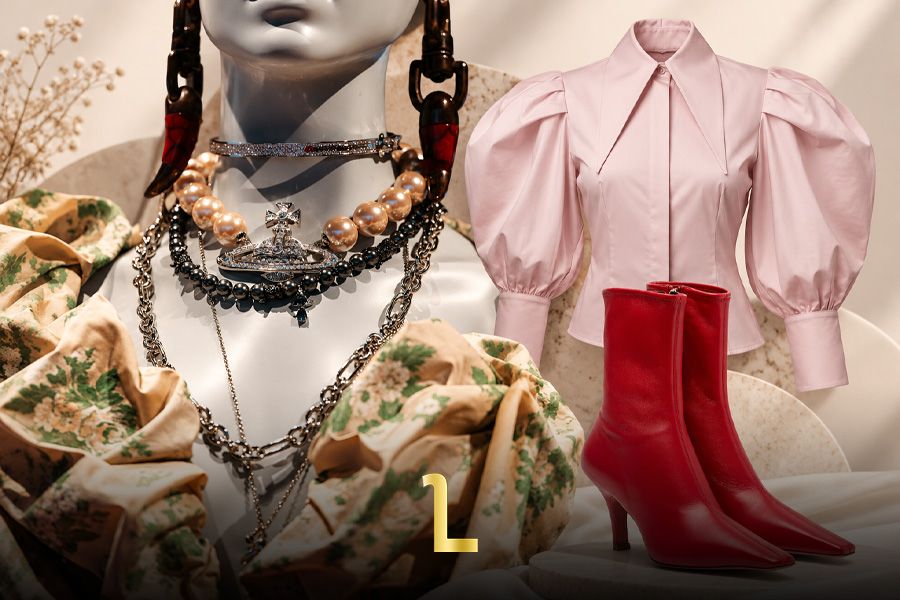
Vogue Arabia notes that recent runway seasons point to a strong return of 1980s fashion for autumn/winter 2026/2027. The new collections revive bright colours, oversized shapes and eye-catching details. Courrèges and Tibi are showing vivid red boots, Gabriela Hearst and Chloé are bringing back embroidered cowboy boots, and Vivienne Westwood is reworking her famous 1981 “Pirate Boots” with extra-large pleats.
Layered necklaces, a signature of the early 2010s, are also making a comeback. People also began mixing different chains and pendants to create their own combinations. Some of the most popular styles today include: minimal gold chain layering, diamond pendant layering, pearl necklaces, initial and letter necklaces, and mixed chain textures.
Puff sleeves are also back on dresses and tops. They were a staple of 1930s fashion, and almost a century later, the volume is still popular, though today’s versions are edgier than the softer look of the 1930s. And while puff sleeves once belonged mostly to dresses, they now appear just as often on blouses and tops.
Wide-leg trousers have returned too. In the 1930s, they were often worn as part of a matching set. After a decade dominated by skinny jeans in the 2010s, we’ve moved toward looser cuts, from wide-leg pants to baggy denim. The secret to wearing this style, in any era, is balance: pair it with a fitted top or a defined waist so you don’t get lost in the fabric.
Waistlines are making a comeback as well. In the 1930s, tailoring and belts were used to flatter the waist rather than squeeze it, either by belting a long dress or by wearing two pieces that met at the waist. The 2020s have so far leaned towards oversized silhouettes, but a defined waist is starting to return.
This revival isn’t led only by fashion houses. It’s happening on the street too. In Morocco, young people have embraced old-school style and wear it on social media, in the streets, at school and elsewhere.
Why is this generation drawn to old-school clothes?
Celebrities certainly helped make the trend feel fashionable, but there are other reasons behind the young generation’s interest. One is the entertainment industry, especially television. Many of today’s vintage lovers grew up watching classic shows, cartoons and anime, and as they got older, they were drawn to newer series set in earlier decades.
Still, social media is probably the biggest driver. TikTok, Instagram and Pinterest make it easy to discover styles from any decade and share them with millions of people. A look that was popular years ago can become trendy again simply because people start wearing and posting it. Influencers, celebrities and ordinary users all play a part in making old styles feel fresh again.
And for many people, vintage fashion offers a link to a past that seems simpler and calmer than modern life, even nostalgia for an era they never actually lived through.