

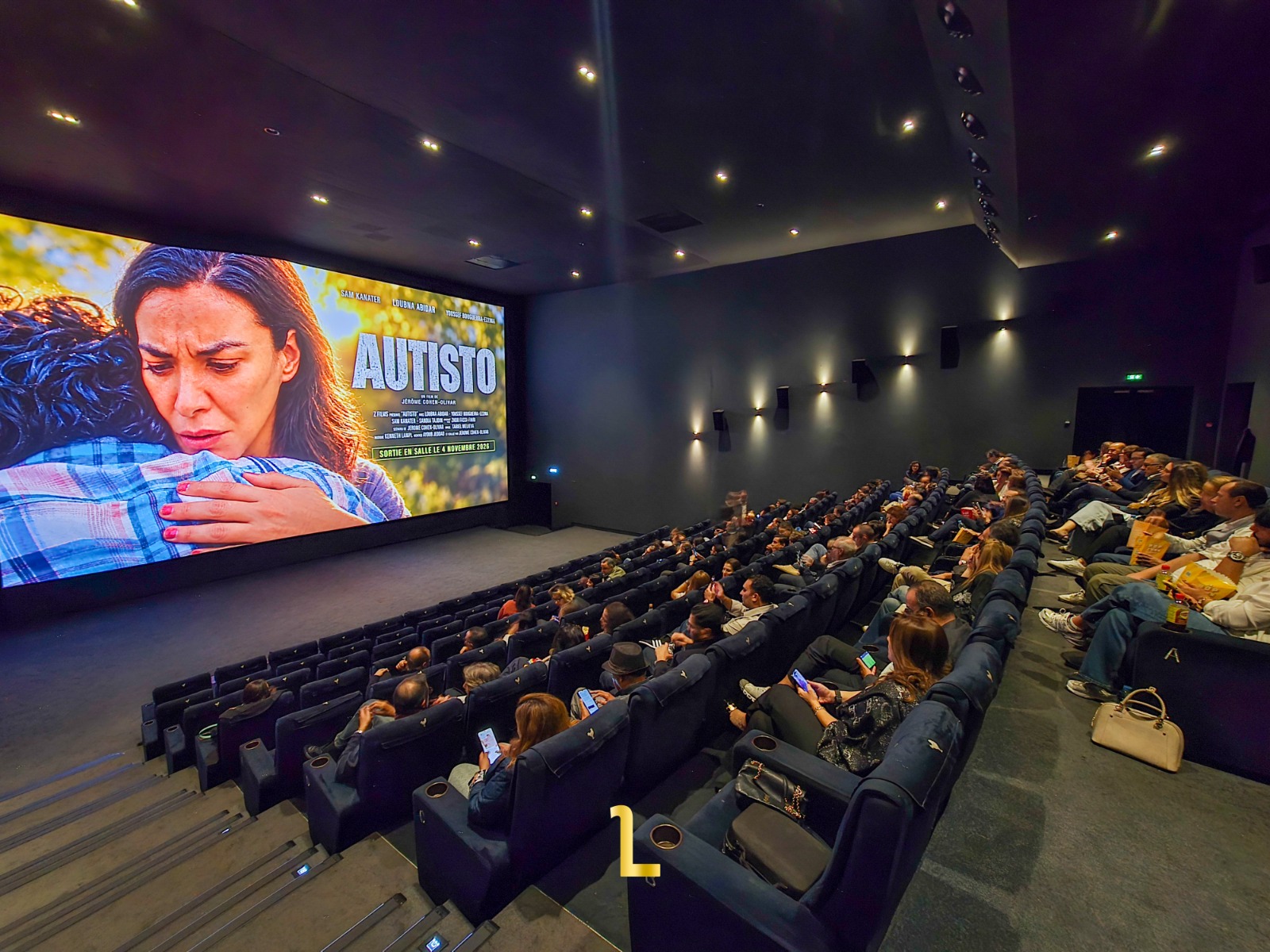
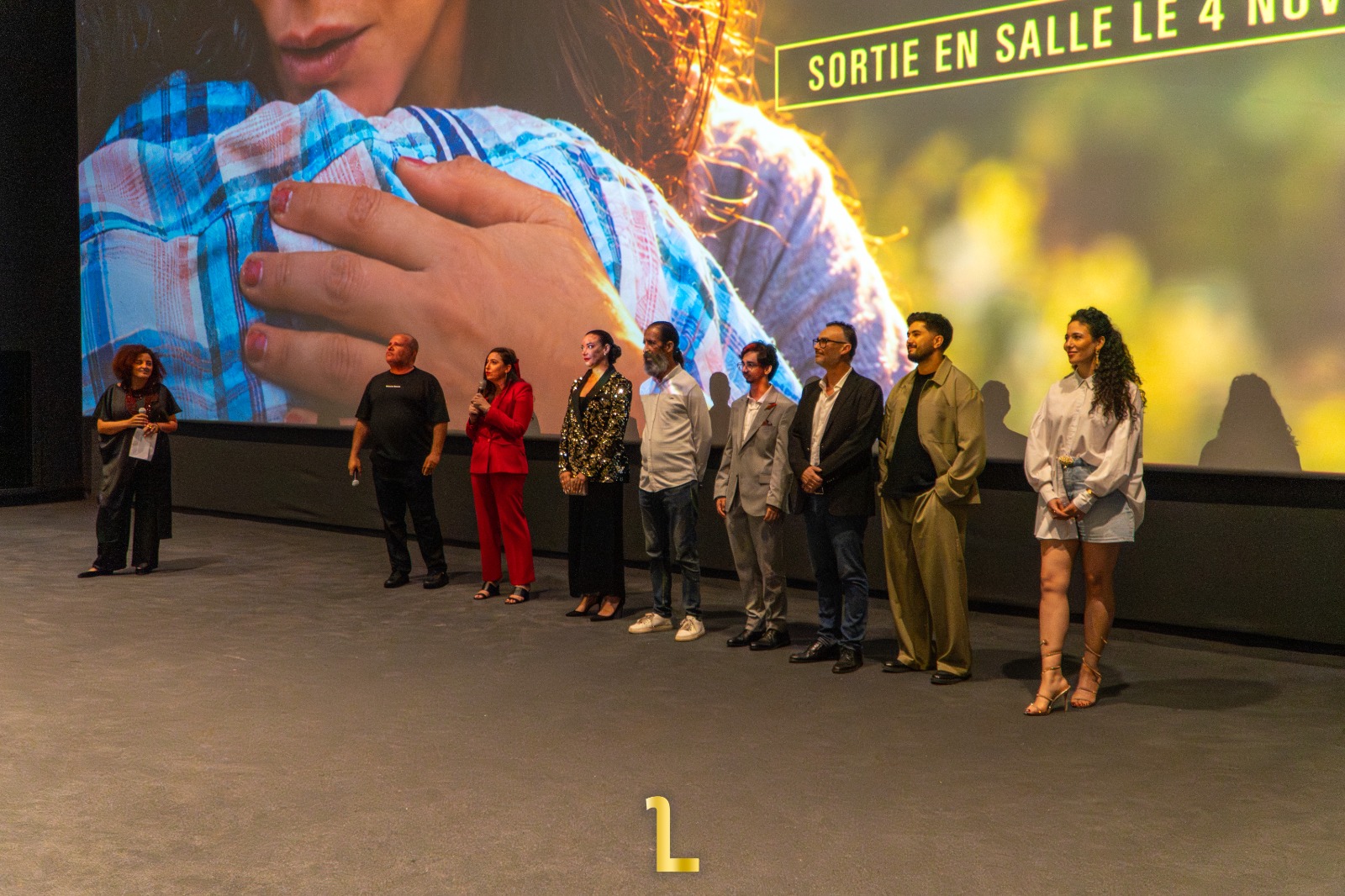
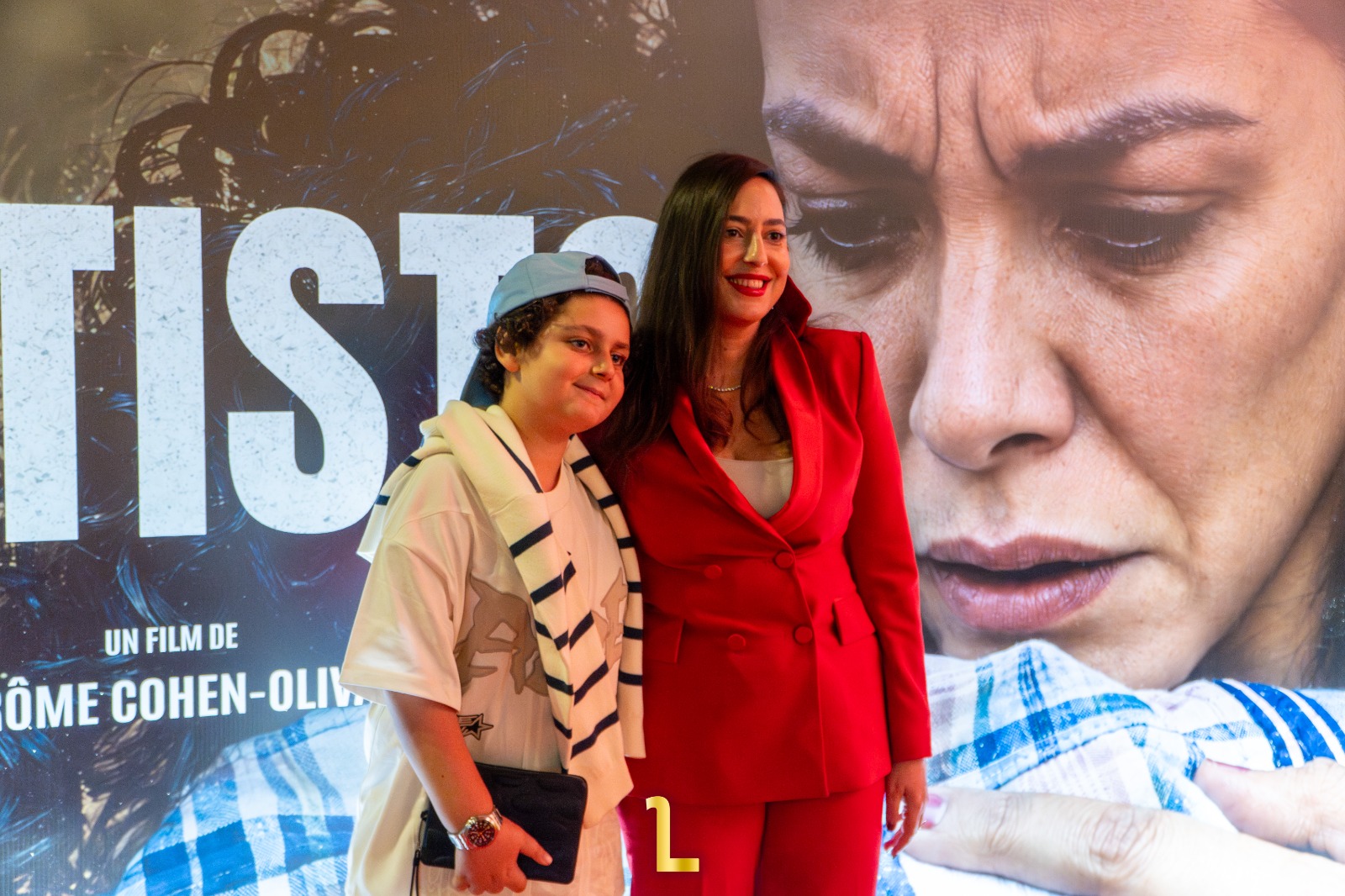
Fez — Moroccan cinema welcomed “Autisto” on Tuesday, November 3, with a premiere at Pathé Cinema in Casablanca, bringing together the film’s director, producer, cast, and crew.
Written and directed by Jérôme Cohen-Olivar and produced by Zhor Fassi-Fihri through Z Films, the drama officially opens in Moroccan theaters on November 4.
Actress Loubna Abidar leads the cast alongside Sam Kanater, Youssef Bouguerra Ezzina, and Sandia Tajdin.
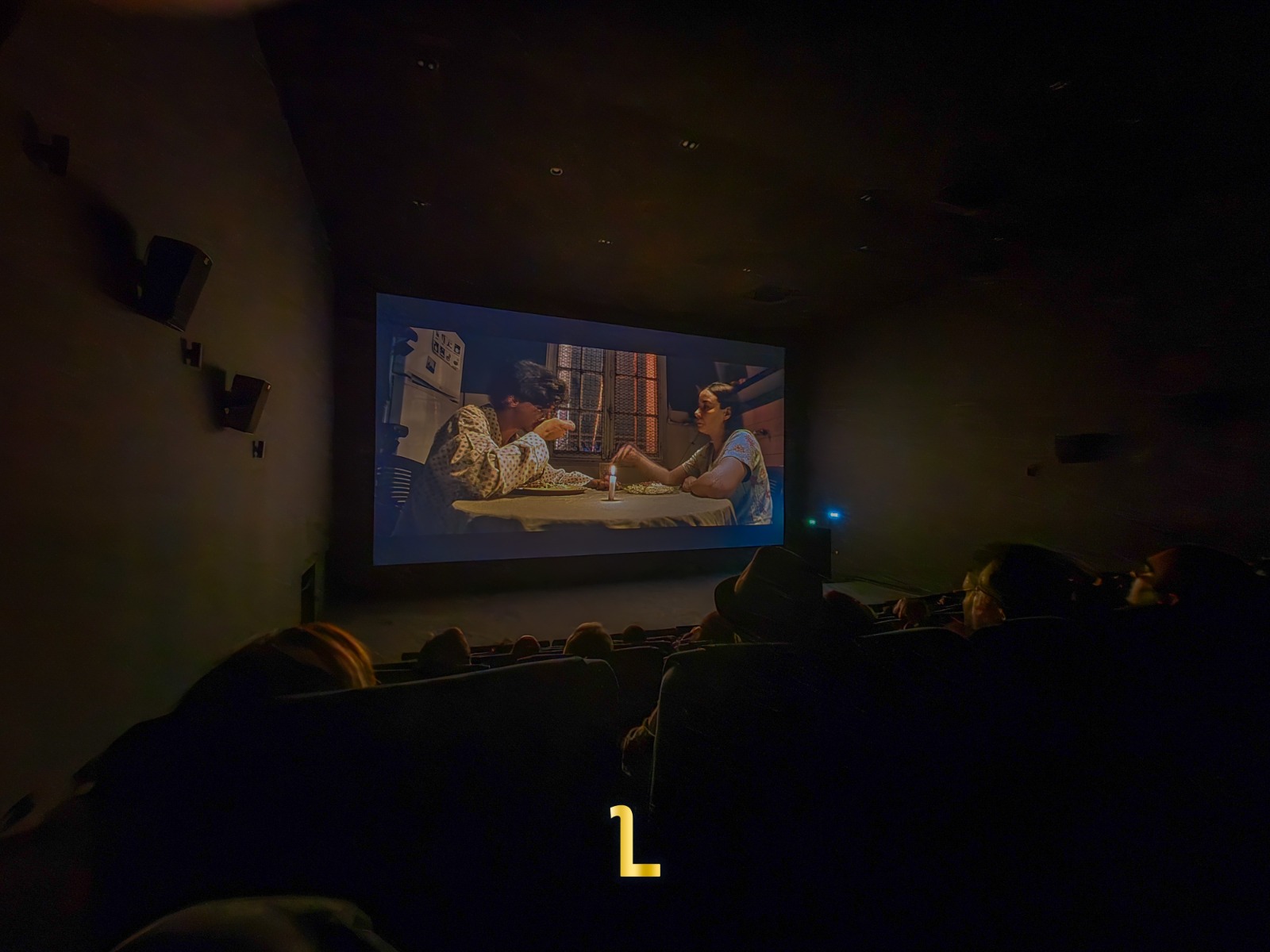
The film follows Malika, a single mother raising Adam, her son with profound autism, while navigating the emotional and practical challenges of caregiving.
Her greatest fear is not simply losing her son, but leaving him behind without someone to protect and care for him.
Their lives take an unexpected turn when Malika encounters Mahmoud, a cemetery caretaker who develops a profound connection with Adam.
A deeply personal story
For Cohen-Olivar, “Autisto” draws inspiration from his experience as the father of an autistic son.
The filmmaker has spoken about wanting to challenge conventional cinematic representations of autism, particularly those that reduce autistic people to stereotypes.
Rather than focusing exclusively on disability, the film explores communication, emotional connection, and the complicated realities families experience.
The production also highlights the often-overlooked question of what happens to people requiring lifelong support when their parents grow older or pass away.
Previously presented at film festivals, including the Marrakech International Film Festival, “Autisto” now reaches wider Moroccan audiences through its theatrical release.
Filmed in Casablanca with support from the Moroccan Cinematographic Center (CCM), the project also reflects a growing interest in socially engaged storytelling within Moroccan cinema.
Audiences can explore the film’s synopsis and production details.
Beyond its family drama, “Autisto” invites viewers to consider the importance of understanding, inclusion, and long-term support for people with disabilities.
Its arrival in Moroccan cinemas opens a wider conversation about caregiving and the families whose daily experiences rarely receive sustained attention on the big screen.