

Fez — In September 1906, visitors to New York’s Bronx Zoo could encounter something that should never have existed. A young Congolese man named Ota Benga was being exhibited inside the Monkey House.
He was not there as a visitor. He had been placed on display, his humanity reduced to an attraction for strangers who paid to look.
What happens when the people behind the camera have all the power, while those standing before it have none?
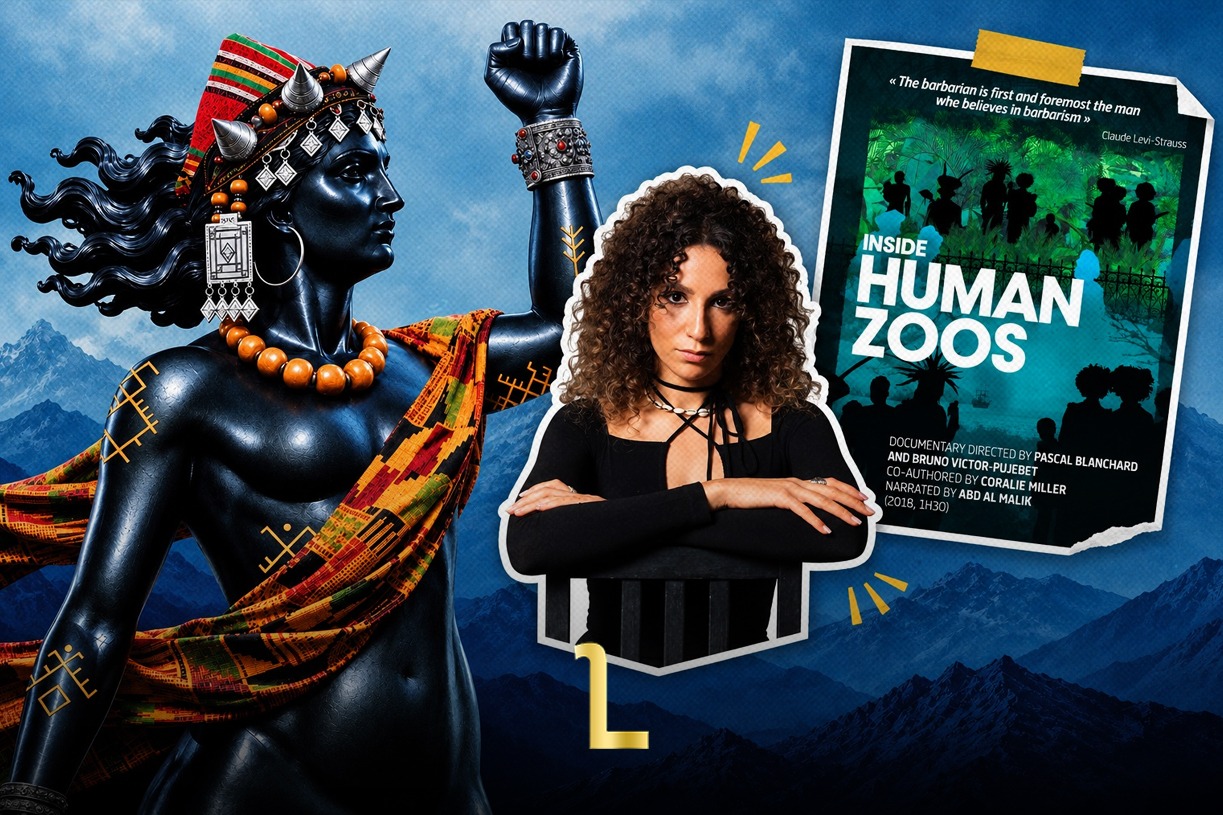
This question lies at the heart of “Human Zoos,” a documentary screening at Poland’s AfryKamera Film Festival this November.
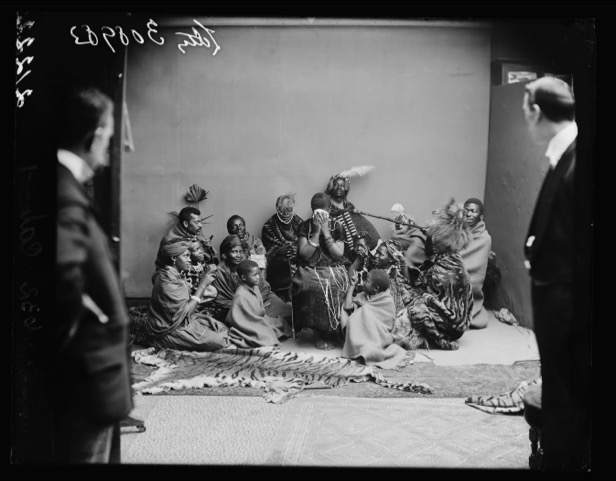
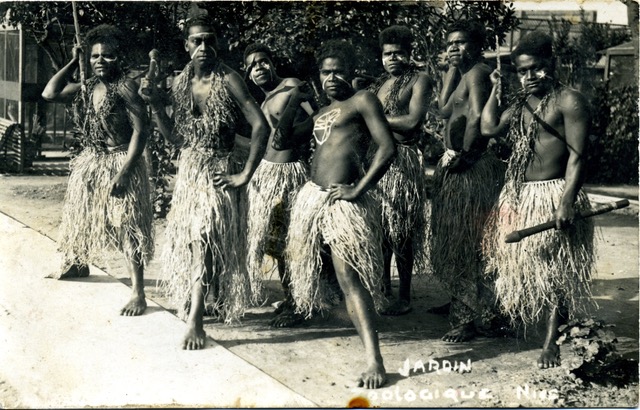
Directed by Pascal Blanchard and Bruno Victor-Pujebet, the 2018 French documentary examines how thousands of people from colonized societies were displayed as public attractions across Europe and the United States.
For Sanaa El Alaoui, the festival’s Moroccan artistic director and programmer, bringing the film to Warsaw is an opportunity to confront a troubling connection between colonial exhibitions and the origins of cinema.
“I have always questioned the agency of the gaze on the African screen,” she told Lifestyle Magazine.
When colonialism discovered the camera
El Alaoui remembers watching “Human Zoos” several years ago and feeling an urgent responsibility to bring it before AfryKamera’s audiences.
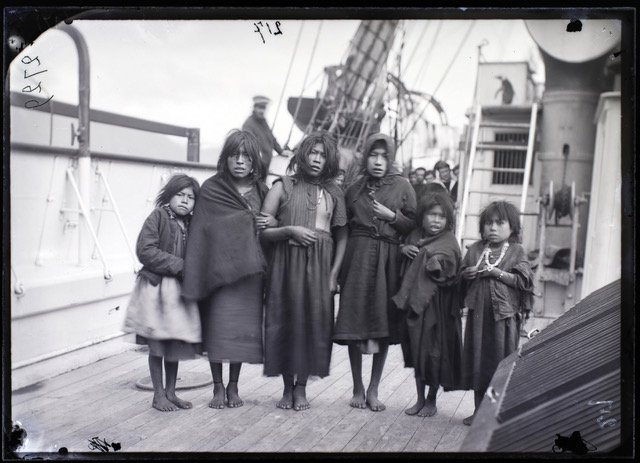
She was particularly struck by the connections between colonial exhibitions and early filmmaking, which developed within overlapping systems of racial representation.
“Human zoos were not a metaphor, they were a vast, institutionalized reality,” she said.
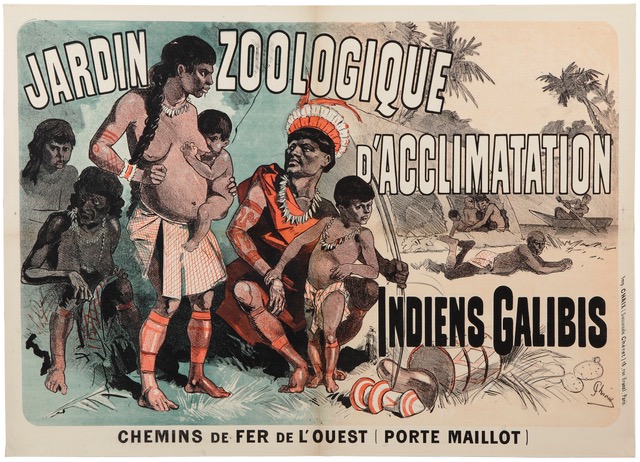
In 1877, Paris’s Jardin d’Acclimatation began organizing exhibitions of people from colonized societies, attracting large crowds and turning racialized displays into commercial entertainment.
But the spectacle would eventually move beyond the exhibition grounds.
“We must remember that the gun was not their only weapon of colonization, they also brought their cameras,” El Alaoui explained.
She points to Félix-Louis Regnault’s 1895 film of a Wolof woman at a Paris exhibition, an early example of ethnographic cinema produced within a colonial setting.
For El Alaoui, the camera fundamentally changed the relationship between the observer and the person being observed.
“At the physical fence of the Jardin, an indigenous person could still look back into the eyes of the spectator,” she explained.
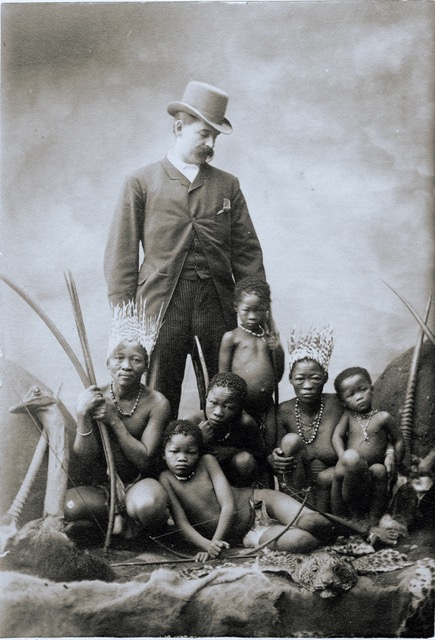
Once that person’s image entered a cinema, however, the audience could observe without encountering the subject’s returning gaze.
“The non-African spectator gained the ultimate panopticon privilege of looking without ever being looked back at.”
This history also informs her examination of Moroccan cinema, whose earliest surviving moving images were largely produced through European perspectives.
El Alaoui’s developing academic inquiry examines how colonial ways of seeing continue to influence cinematic representation, particularly when filmmakers inherit visual conventions established by outsiders.
The fences African filmmakers build themselves
What concerns El Alaoui most is that colonial ways of representing Africa may survive even when African filmmakers themselves control the camera.
“Today, the primary danger is not only how Western media depicts Africans; the deeper threat arises when African creators succumb to self-Orientalism,” she said.
She argues that international recognition can sometimes encourage filmmakers to reproduce familiar narratives about their societies rather than challenge established expectations.
“Too often, when presenting our own cinema on the international stage, we build our own internal fences.”
Her conclusion is particularly striking. “We voluntarily step back into the enclosure.”
Yet El Alaoui also sees an emerging generation of African filmmakers resisting those expectations through experimentation and new approaches to storytelling.
“They are creating radical aesthetic ruptures that break down the fence entirely,” she said.
For her, the challenge is not merely to place more African stories on international screens, but to question the frameworks through which those stories become visible.
Why AfryKamera chose to confront this history
Founded in 2006, AfryKamera emerged when African filmmaking remained largely absent from Polish cinema screens.
El Alaoui describes its founding mission as “simple yet radical,” giving audiences access to the world through cameras held by African filmmakers.
The festival’s November 28 screening at Warsaw’s National Ethnographic Museum will be followed by a discussion with historian Sandrine Lemaire, whose research examines colonial exhibitions.
El Alaoui praised festival co-founder Przemek Stępień and director Justyna Wrona for supporting the programming decision and approaching its sensitive subject with care.
The festival has published content warnings concerning disturbing depictions of racism and colonialism. According to El Alaoui, organizers have also made provisions for post-screening emotional and psychological support.
Her experience living and working in Poland has given the project another personal significance.
“Here, I understood that to be truly free is to remember the past,” she said.
She believes Poland’s engagement with historical memory provides a meaningful setting for confronting uncomfortable questions about representation.
“Memory is not a burden, but the ultimate tool for liberation.”
“Inside Human Zoos” screens on November 24 at 6 p.m. at Kino Amondo and November 28 at 1 p.m. at the National Ethnographic Museum. Audiences can explore the official festival listing for further information.
For El Alaoui, bringing the documentary to AfryKamera is part of a larger intellectual and artistic investigation into the power of images.
The colonial exhibitions may have disappeared, but their legacy raises an enduring question for contemporary cinema.
When African filmmakers finally hold the camera, are they creating their own images, or reproducing the gaze they inherited?